
Skin Infections · Apgujeong, Seoul
Viral Skin Infection
Warts, molluscum, herpes and viral rashes identified and treated by a board-certified dermatologist.

Skin Infections · Apgujeong, Seoul
Viral Skin Infection
Warts, molluscum, herpes and viral rashes identified and treated by a board-certified dermatologist.

Quick answer
Medical dermatology at Oaro Dermatology Clinic is led by board-certified dermatologists who diagnose first and treat second. Korean National Health Insurance may apply to covered conditions for insured residents. Meet our doctors or book a same-week appointment .
At a glance
| Procedure time | Consultation 15–25 minutes; cryotherapy or laser 5–20 minutes |
|---|---|
| Anaesthesia | None or topical numbing for laser wart removal |
| Downtime | None to a few days of blistering after cryotherapy |
| Sessions | Warts typically 2–6 sessions at 2–4 week intervals |
| Results last | Clearance is usually lasting; warts can recur |
| Performed by | Board-certified dermatologist |
Overview
What is a viral skin infection?
Viral skin infections are caused by viruses that either infect the skin directly or produce a rash as part of a wider illness. The most common direct infections are warts, caused by human papillomavirus (HPV), which include common warts on the hands, plantar warts on the soles, flat warts on the face and genital warts. Molluscum contagiosum produces small, pearly, dimpled bumps and spreads easily among children and in sports or close contact. Herpes simplex causes recurrent clusters of blisters, most often cold sores on the lips, while reactivated varicella-zoster virus causes shingles. Viral exanthems such as hand-foot-and-mouth disease, pityriasis rosea and some drug-like rashes accompany systemic viral infections.
Many viral skin infections resolve on their own, but a dermatologist's assessment is valuable when lesions are spreading, painful, on the face or genitals, persisting for months, affecting a child extensively, or when you are immunosuppressed. Warts on the soles are easily confused with corns, and single growths occasionally mimic skin cancers, so accurate identification matters before any home treatment.
How viral skin infections are treated at Oaro
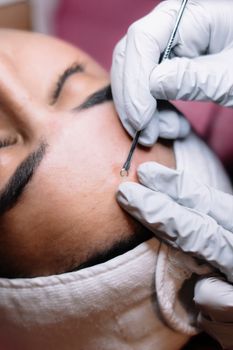
At Oaro Dermatology Clinic in Apgujeong, Seoul, a board-certified dermatologist examines the lesions with a dermoscope, which shows the characteristic capillaries of warts and the central core of molluscum. Treatment depends on the virus, site and your preference. Warts are commonly treated with cryotherapy, laser ablation, salicylic-acid preparations or immunotherapy for stubborn cases; molluscum is removed by gentle curettage or cantharidin application; herpes and shingles receive oral antivirals, ideally within 72 hours of the first blister. Viral exanthems are mostly managed with symptom relief and reassurance once more serious causes are excluded. See the medical dermatology hub or book a consultation.
Why patients choose Oaro
- Board-certified dermatologists for medical and cosmetic skin care under one roof
- Dermoscopy, allergy and scalp assessment before any prescription
- Written treatment plan, home-care guidance and follow-up
- Private rooms in Cheongdam Tower, 8 minutes from Apgujeong Rodeo Station
- English-friendly coordination for visitors and expats
Treatment goals
Common goals for viral skin infection treatment
Identify the virus correctly
Dermoscopy and examination separate warts from corns, molluscum from acne and viral rashes from allergy.
Clear visible lesions
Cryotherapy, laser or curettage removes warts and molluscum with minimal scarring when performed carefully.
Shorten and soften outbreaks
Early antiviral therapy may reduce the duration and severity of herpes and shingles episodes.
Limit spread
Practical advice reduces transmission to other body sites, family members and contacts.
Your visit
What to expect
1. Consultation & diagnosis
Your dermatologist takes a history of onset, spread and contacts, examines the skin with a dermoscope and, rarely, takes a swab or biopsy if the diagnosis is uncertain.
2. Treatment
Warts are usually frozen with liquid nitrogen or vaporised with a CO2 laser under local or topical anaesthesia, with a prescription for home salicylic-acid treatment between visits. Molluscum lesions are removed by curettage after numbing cream. Herpes simplex and shingles are treated with oral antivirals and pain relief. Viral exanthems receive soothing topical therapy and antihistamines, and you are advised on when symptoms should prompt review.
3. Aftercare & follow-up
Written instructions cover wound care after cryotherapy or laser. Wart sessions are repeated at two-to-four-week intervals until clear, and herpes patients are offered a plan for future outbreaks.
Cost & insurance
Viral skin infection treatment cost in Seoul
Viral skin infections are medical conditions, so insured residents typically have part of the consultation, cryotherapy and antiviral prescriptions covered by Korean National Health Insurance, paying a co-payment. Laser removal of warts for cosmetic reasons may be self-pay. International visitors pay self-pay rates and receive an itemised receipt.
| Option | Typical range (KRW) |
|---|---|
| Consultation and dermoscopy (self-pay) | 30,000 – 80,000 |
| Cryotherapy per session (self-pay) | 30,000 – 100,000 |
| CO2 laser wart removal per session | 80,000 – 300,000 |
Exact pricing is confirmed at consultation after examination.
Home care
Aftercare
- Keep treated areas clean and dry; a blister after cryotherapy is normal and should not be burst.
- Apply home wart treatment exactly as directed between clinic visits.
- Do not pick, shave over or share towels with infected areas to avoid spreading the virus.
- Take antivirals for the full prescribed course even if blisters crust early.
- Return for review if lesions multiply, become painful or show signs of bacterial infection.
Medically reviewed by
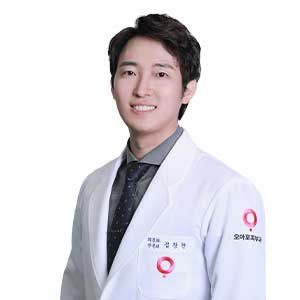
Dr. Chang-hyun Kim, M.D.
Board-certified dermatologist and Representative Director of Oaro Dermatology Clinic, Cheongdam. Full member of the Korean Dermatological Association, the Korean Society of Atopic Dermatitis, the Korean Society of Vitiligo & Pigmentation and the Korean Society of Acne & Rosacea.
FAQ
Frequently asked questions
Are warts contagious?
Yes. HPV spreads by skin contact and through shared surfaces such as pool decks. Covering warts and avoiding picking reduces spread.
How many treatments do warts need?
Most warts need two to six cryotherapy or laser sessions. Plantar warts and warts present for years tend to need more.
Does molluscum go away on its own?
Usually within 6–18 months, but removal is often chosen to stop spread, especially in children or where lesions are visible.
Can a viral rash be mistaken for an allergy?
Frequently. A dermatologist at Oaro Dermatology Clinic in Apgujeong can distinguish viral exanthems from drug reactions and hives.
When should I see a dermatologist for a viral skin infection?
If lesions are spreading, painful, on the face or genitals, lasting months, or you are immunosuppressed, book an assessment in Seoul promptly.
Explore related care
Related conditions and treatments
- Cold Sores — recurrent herpes simplex on the lips
- Shingles — reactivated varicella-zoster virus
- Bacterial Skin Infection — secondary infection of scratched lesions
- Skin Tags — growths sometimes confused with warts
- Skin Rash — diagnosing rashes of unknown cause
- Medical Dermatology — all medical skin services
Same-week appointments
See a board-certified dermatologist in Apgujeong
Bring your questions, medication list and any photos of flare-ups. We will examine your skin, explain the diagnosis and give you a written plan. English-speaking coordinators are available for international patients and expats.