
Allergy & Sensitivity · Apgujeong, Seoul
Allergy Testing
Patch tests and blood allergy panels interpreted by a dermatologist to pinpoint what your skin reacts to.

Allergy & Sensitivity · Apgujeong, Seoul
Allergy Testing
Patch tests and blood allergy panels interpreted by a dermatologist to pinpoint what your skin reacts to.

Quick answer
Medical dermatology at Oaro Dermatology Clinic is led by board-certified dermatologists who diagnose first and treat second. Korean National Health Insurance may apply to covered conditions for insured residents. Meet our doctors or book a same-week appointment .
At a glance
| Procedure time | Blood test 10 minutes; patch test application 20–30 minutes with readings at 48 and 72–96 hours |
|---|---|
| Anaesthesia | Not applicable |
| Downtime | None; patches must stay dry for 48 hours |
| Sessions | Blood test 1 visit; patch test 2–3 visits in one week |
| Results last | Contact allergies are usually lifelong; blood results guide ongoing avoidance |
| Performed by | Board-certified dermatologist |
Overview
What is allergy testing?
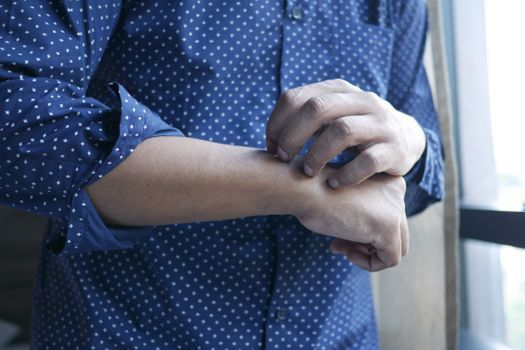
Allergy testing identifies the specific substances that trigger a reaction in your skin or immune system. Dermatologists use two main approaches. Patch testing detects delayed-type contact allergy, the mechanism behind contact dermatitis from nickel, fragrance, preservatives, hair dye, rubber, adhesives and cosmetic ingredients: small chambers containing standardised allergens are taped to the back for 48 hours and the skin is read for reactions over the following days. Blood tests measure specific IgE antibodies to airborne allergens such as house dust mite, pollen and pet dander, and to foods, and are relevant when hives, atopic dermatitis or swelling seem linked to exposure. Skin prick tests are a further option in some settings. Testing is only as useful as its interpretation: positive results do not always explain the rash, and negative results can still be informative.
Testing is worth considering if eczema or a rash keeps recurring despite treatment, if a reaction follows cosmetics, jewellery, hair dye or work materials, if hives are frequent, or if a reaction has been severe. Testing is not needed for every itch, and a dermatologist will advise when a careful history alone is enough.
How allergy testing works at Oaro
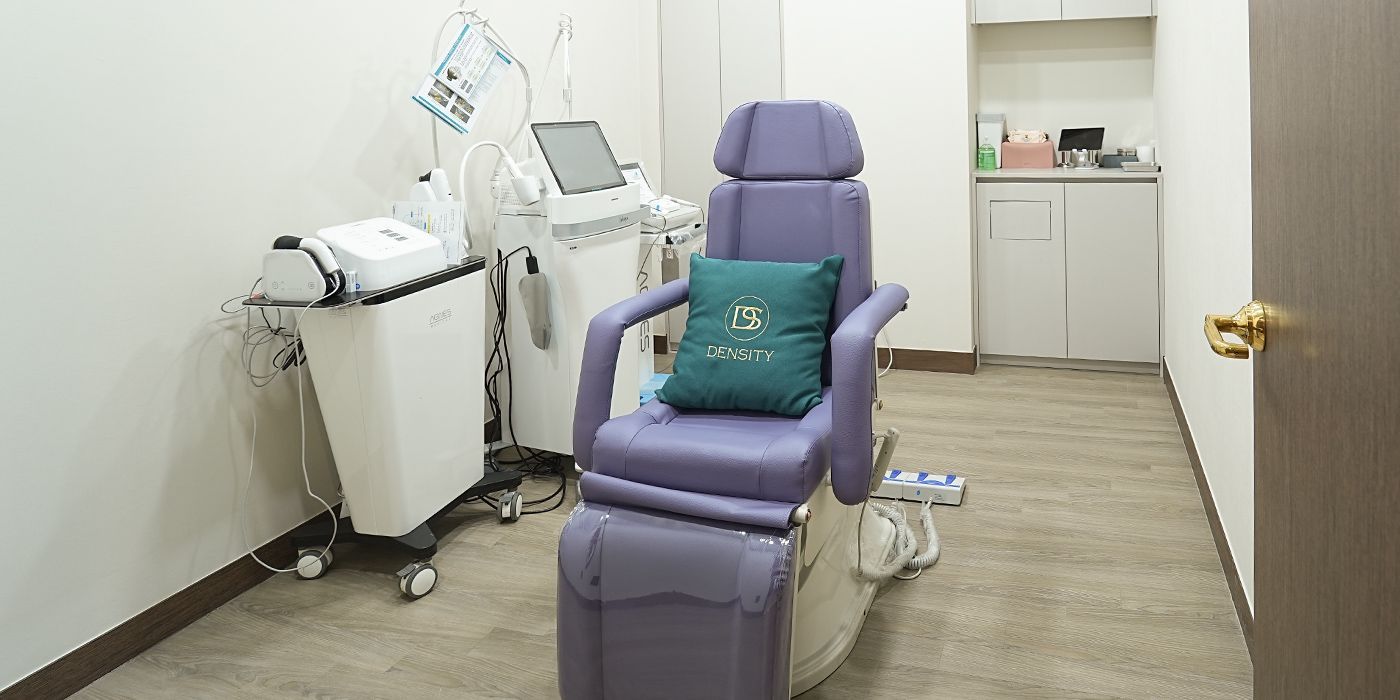
At Oaro Dermatology Clinic in Apgujeong, Seoul, a board-certified dermatologist first examines your skin and maps the pattern of the rash to the likely exposure. Patch testing with a standard series and, where relevant, your own products is applied on day one, with readings at 48 hours and again at 72 to 96 hours. Blood panels are drawn in clinic and results reviewed at a follow-up visit. You leave with a written list of what to avoid, safe product alternatives and a treatment plan for the underlying condition. Visit the medical dermatology hub or book a consultation.
Why patients choose Oaro
- Board-certified dermatologists for medical and cosmetic skin care under one roof
- Dermoscopy, allergy and scalp assessment before any prescription
- Written treatment plan, home-care guidance and follow-up
- Private rooms in Cheongdam Tower, 8 minutes from Apgujeong Rodeo Station
- English-friendly coordination for visitors and expats
Treatment goals
Common goals for allergy testing
Identify the true trigger
Testing turns suspicion into a named allergen you can avoid.
Stop recurrent flares
Removing a contact allergen often ends eczema that has resisted creams for months.
Choose products safely
Results guide which cosmetics, hair products and metals are safe for your skin.
Avoid unnecessary restriction
Dermatologist interpretation prevents cutting out foods or products that are not actually the cause.
Your visit
What to expect
1. Consultation & diagnosis
Your dermatologist takes a detailed history of symptoms, products, occupation, hobbies and timing, examines the skin and decides whether patch testing, blood testing or both are appropriate. You are asked to stop antihistamines or strong topical steroids on the back for a few days before patch testing if advised.
2. Testing
For patch testing, allergen chambers are applied to the upper back and marked; you return at 48 hours for removal and a first reading, and again at 72 to 96 hours for the final reading. For blood testing, a sample is taken at the first visit and results are usually available within one to two weeks. Bring the products you use so relevant ones can be included.
3. Results & follow-up
Results are explained in plain language with a written allergen list, ingredient names to look for on labels and alternatives. Treatment of the underlying eczema or urticaria is adjusted, and a review is arranged to confirm improvement once triggers are removed.
Cost & insurance
Allergy testing cost in Seoul
When testing is ordered to diagnose a medical skin condition such as contact dermatitis, atopic dermatitis or urticaria, insured residents may have part of the consultation and tests covered by Korean National Health Insurance, depending on the test and indication. International visitors pay self-pay rates and receive an itemised receipt.
| Option | Typical range (KRW) |
|---|---|
| Consultation (self-pay) | 30,000 – 80,000 |
| Patch test, standard series with readings (self-pay) | 100,000 – 300,000 |
| Blood allergy panel, multi-allergen (self-pay) | 80,000 – 250,000 |
Exact pricing is confirmed at consultation after examination.
Home care
Aftercare
- Keep patch-test sites dry and avoid sweating, showers and exercise until the final reading.
- Do not scratch or remove patches early; note any strong burning and contact the clinic.
- Keep your written allergen list and check ingredient labels before buying new products.
- Replace identified allergens gradually and track whether the skin improves over 4–8 weeks.
- Report any late reaction at the patch site, which can occur up to two weeks after testing.

Medically reviewed by
Dr. Chang-hyun Kim, M.D.
Board-certified dermatologist and Representative Director of Oaro Dermatology Clinic, Cheongdam. Full member of the Korean Dermatological Association, the Korean Society of Atopic Dermatitis, the Korean Society of Vitiligo & Pigmentation and the Korean Society of Acne & Rosacea.
FAQ
Frequently asked questions
What is the difference between patch testing and blood allergy testing?
Patch testing detects delayed contact allergy to substances touching the skin. Blood tests measure IgE antibodies to airborne and food allergens linked to hives and eczema.
How long does a patch test take?
Patches stay on for 48 hours and are read at 48 and 72–96 hours, so testing spans about one week with two or three visits to Oaro Dermatology Clinic in Apgujeong.
Do I need to stop medication before allergy testing?
Antihistamines affect blood and prick tests less than patch tests, but strong steroids on the back can mask patch reactions. Your dermatologist will advise what to pause.
Can allergy testing be done while I am visiting Seoul?
Yes, if you can stay for the reading visits. Blood tests need only one visit, with results sent to you.
Will allergy testing tell me what causes my eczema?
It can identify contact allergens and relevant IgE sensitivities, but eczema often has several contributors. Results are interpreted alongside your history.
Explore related care
Related conditions and treatments
- Contact Dermatitis — the condition patch testing diagnoses
- Urticaria (Hives) — when blood allergy panels can help
- Atopic Dermatitis — eczema with allergic sensitisation
- Skin Allergy — an overview of allergic skin reactions
- Itchy Skin — when testing is and is not needed for itch
- Medical Dermatology — all medical skin services
Same-week appointments
See a board-certified dermatologist in Apgujeong
Bring your questions, medication list and any photos of flare-ups. We will examine your skin, explain the diagnosis and give you a written plan. English-speaking coordinators are available for international patients and expats.