
Allergy & Sensitivity · Apgujeong, Seoul
Atopic Dermatitis
Doctor-led diagnosis and long-term control of eczema flares, from barrier repair to prescription therapy.
Allergy & Sensitivity · Apgujeong, Seoul
Atopic Dermatitis
Doctor-led diagnosis and long-term control of eczema flares, from barrier repair to prescription therapy.

Quick answer
Medical dermatology at Oaro Dermatology Clinic is led by board-certified dermatologists who diagnose first and treat second. Korean National Health Insurance may apply to covered conditions for insured residents. Meet our doctors or book a same-week appointment .
At a glance
| Procedure time | Consultation 20–30 minutes |
|---|---|
| Anaesthesia | Not required |
| Downtime | None |
| Sessions | Review every 4–12 weeks while flares are active |
| Results last | Chronic condition; control is maintained with ongoing care |
| Performed by | Board-certified dermatologist |
Overview
What is atopic dermatitis?
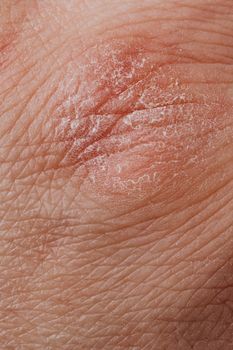
Atopic dermatitis is the most common chronic form of eczema. It typically begins in childhood but can persist into, or first appear in, adult life. The skin barrier does not hold moisture well, and the immune system responds to everyday triggers with inflammation. The result is dry, intensely itchy patches that may crack, weep or thicken over time, often in the elbow creases, behind the knees, on the neck, eyelids and hands.
The causes are a mix of genetics (including filaggrin gene variants), environmental factors such as Seoul's dry winter air and seasonal fine dust, irritants, stress and, in some people, specific allergens. Scratching damages the barrier further and invites secondary infection, which is why cycles of itching and scratching need to be interrupted early. You should see a dermatologist if itch disturbs sleep, over-the-counter moisturisers are not enough, the rash is spreading, or you notice crusting, oozing or fever, which may point to infection.
How atopic dermatitis is managed at Oaro
At Oaro Dermatology Clinic in Apgujeong, Seoul, management follows a stepwise, evidence-based ladder. A board-certified dermatologist first distinguishes atopic dermatitis from look-alikes such as contact dermatitis, seborrhoeic dermatitis or psoriasis, and grades severity. Mild disease usually responds to a consistent emollient routine plus a short course of topical corticosteroids or calcineurin inhibitors. Moderate to severe disease may call for phototherapy, oral immunomodulators or newer targeted biologic and JAK-inhibitor therapies, each with a defined monitoring schedule. Where triggers are unclear, allergy testing may be suggested. Every plan is written down, and you leave with a care notebook so that daily routines are clear. Because Oaro combines medical and aesthetic dermatology, gentle supportive options such as hydration therapy can be timed between flares, never during them.

Why patients choose Oaro
- Board-certified dermatologists for medical and cosmetic skin care under one roof
- Dermoscopy, allergy and scalp assessment before any prescription
- Written treatment plan, home-care guidance and follow-up
- Private rooms in Cheongdam Tower, 8 minutes from Apgujeong Rodeo Station
- English-friendly coordination for visitors and expats
Treatment goals
Common goals for atopic dermatitis care
Stop the itch–scratch cycle
Reducing inflammation quickly so you can sleep and stop scratching is the first priority, as unbroken skin heals faster.
Rebuild the skin barrier
A tailored emollient and cleanser routine helps the skin retain water and resist irritants between flares.
Fewer and milder flares
Maintenance strategies such as proactive twice-weekly topical therapy aim to extend the quiet periods.
Minimise long-term medication risk
Treatment is stepped up or down with regular review, so you use the lowest effective therapy for the shortest necessary time.
Your visit
What to expect
1. Consultation & diagnosis
Your dermatologist reviews your history, sleep disturbance and previous treatments, then examines the skin. Dermoscopy or a skin swab may be used if infection or another diagnosis is suspected. Severity is scored so that progress can be measured objectively at each visit.
2. Treatment
A written plan sets out which product goes where and for how long: emollients, topical anti-inflammatories, antihistamines for night-time itch and antibiotics if there is infection. For persistent moderate to severe disease, phototherapy or systemic options are discussed, including the blood-test monitoring they require.
3. Aftercare & follow-up
Reviews at Oaro Dermatology Clinic are scheduled every four to twelve weeks. Your care notebook records the plan, and you can send photographs to the clinic between visits if a flare begins.
Cost & insurance
Atopic dermatitis treatment cost in Seoul
Atopic dermatitis is a recognised medical condition, so diagnosis and standard treatment are typically covered by Korean National Health Insurance for insured residents, leaving a modest co-payment. International visitors without Korean insurance pay the self-pay rate; itemised receipts are provided for travel-insurance claims.
| Option | Typical range (KRW) |
|---|---|
| Specialist consultation (self-pay) | 30,000–60,000 |
| Consultation + prescription topicals | 60,000–150,000 |
| Phototherapy, per session | 30,000–80,000 |
| Targeted biologic or JAK therapy | Quoted after eligibility review |
Exact pricing is confirmed at consultation after examination.
Home care
Aftercare
- Apply a fragrance-free emollient at least twice daily and within three minutes of bathing.
- Use lukewarm water and short showers; avoid soap bars, scrubs and hot bathhouse pools during flares.
- Keep nails short and consider cotton gloves at night to limit scratching damage.
- Choose cotton clothing, rinse detergent thoroughly and humidify bedrooms in winter.
- Use prescribed anti-inflammatories exactly as written, and contact the clinic if the skin weeps, crusts or becomes painful.
Medically reviewed by
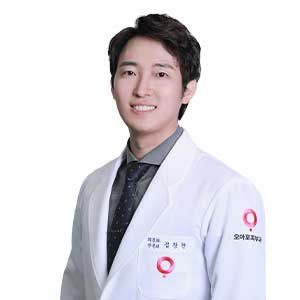
Dr. Chang-hyun Kim, M.D.
Board-certified dermatologist and Representative Director of Oaro Dermatology Clinic, Cheongdam. Full member of the Korean Dermatological Association, the Korean Society of Atopic Dermatitis, the Korean Society of Vitiligo & Pigmentation and the Korean Society of Acne & Rosacea.
FAQ
Frequently asked questions
Is atopic dermatitis curable?
No, there is no cure, but most people achieve long periods of clear or nearly clear skin with consistent barrier care and the right step of treatment.
Are topical steroids safe?
Used in the correct strength for the correct site and duration, topical corticosteroids are safe and effective; your dermatologist will explain how much to apply and when to stop.
Should I get allergy tests for eczema?
Not always. Testing is useful when flares follow a clear pattern or when a food or contact allergy is suspected, and your dermatologist will advise whether it adds value.
Can I have facial treatments if I have eczema?
Usually yes, once the skin is calm. Treatments are timed between flares and selected for sensitive skin.
Does Oaro treat international patients for eczema?
Yes. English-speaking consultations are available in Apgujeong, and prescriptions with written instructions can be arranged to cover the rest of your stay in Seoul.
Explore related care
Related conditions and treatments
- Medical Dermatology — the full range of skin conditions treated at Oaro
- Hand Eczema — when eczema concentrates on the hands
- Itchy Skin — itch with little or no visible rash
- Allergy Testing — patch and prick testing to identify triggers
- Sensitive Skin — supportive care for reactive skin
- Contact & Booking — book a consultation in Apgujeong
Same-week appointments
See a board-certified dermatologist in Apgujeong
Bring your questions, medication list and any photos of flare-ups. We will examine your skin, explain the diagnosis and give you a written plan. English-speaking coordinators are available for international patients and expats.