
Allergy & Sensitivity · Apgujeong, Seoul
Itchy Skin
Persistent itch investigated properly, from dry skin and eczema to allergy and internal causes.

Allergy & Sensitivity · Apgujeong, Seoul
Itchy Skin
Persistent itch investigated properly, from dry skin and eczema to allergy and internal causes.

Quick answer
Medical dermatology at Oaro Dermatology Clinic is led by board-certified dermatologists who diagnose first and treat second. Korean National Health Insurance may apply to covered conditions for insured residents. Meet our doctors or book a same-week appointment .
At a glance
| Procedure time | Consultation and examination 20–30 minutes |
|---|---|
| Anaesthesia | Not applicable |
| Downtime | None |
| Sessions | Initial visit plus review at 2–6 weeks; chronic itch reviewed longer term |
| Results last | Depends on cause; barrier care maintains relief |
| Performed by | Board-certified dermatologist |
Overview
What is itchy skin?
Itch is a signal from nerve fibres in the skin, and it has many triggers. When a rash is present, the usual culprits are dry skin, atopic or contact eczema, urticaria, insect bites, fungal infection, scabies, psoriasis or a drug reaction. When the skin looks normal but itches, particularly all over, the cause may lie elsewhere: iron deficiency, thyroid disease, liver or kidney problems, diabetes, certain medications, nerve-related itch, or occasionally blood disorders. Seoul's dry winters and heated indoor air commonly tip people with sensitive skin into a cycle of dryness, scratching, barrier damage and more itch, and older adults are especially prone.
Occasional itch that settles with moisturiser needs no visit. See a dermatologist if itch lasts more than two weeks, disturbs sleep, affects the whole body, comes with a spreading rash, blisters, weight loss, fatigue or jaundice, or if scratching has caused open, weeping or infected skin. Itch that begins after a new medicine or an insect exposure, or that affects several household members, also deserves prompt assessment.
How itchy skin is treated at Oaro
At Oaro Dermatology Clinic in Apgujeong, Seoul, a board-certified dermatologist takes a careful history of timing, triggers, products, medications and travel, examines the whole skin surface and looks for burrows, hives, dryness or inflammation. Depending on findings, a skin scraping, blood tests or allergy testing are arranged. Treatment combines intensive barrier repair with the right prescription for the diagnosis: topical corticosteroids or calcineurin inhibitors for eczema, antihistamines for urticaria, antifungal or antiparasitic treatment for infection, and nerve-targeted medication for neuropathic itch. Where an internal cause is found, the dermatologist coordinates further care. Written aftercare and a care notebook help you stay consistent. Explore the medical dermatology hub or book a consultation.

Why patients choose Oaro
- Board-certified dermatologists for medical and cosmetic skin care under one roof
- Dermoscopy, allergy and scalp assessment before any prescription
- Written treatment plan, home-care guidance and follow-up
- Private rooms in Cheongdam Tower, 8 minutes from Apgujeong Rodeo Station
- English-friendly coordination for visitors and expats
Treatment goals
Common goals for itchy skin treatment
Find the cause
Examination and targeted tests distinguish skin, allergic and internal causes so treatment is specific.
Break the itch-scratch cycle
Prompt relief protects sleep and lets damaged skin heal.
Repair the skin barrier
Consistent emollient use reduces dryness-driven itch, especially through Seoul's winter.
Prevent complications
Settling itch early avoids thickened skin, pigmentation and bacterial infection from scratching.
Your visit
What to expect
1. Consultation & diagnosis
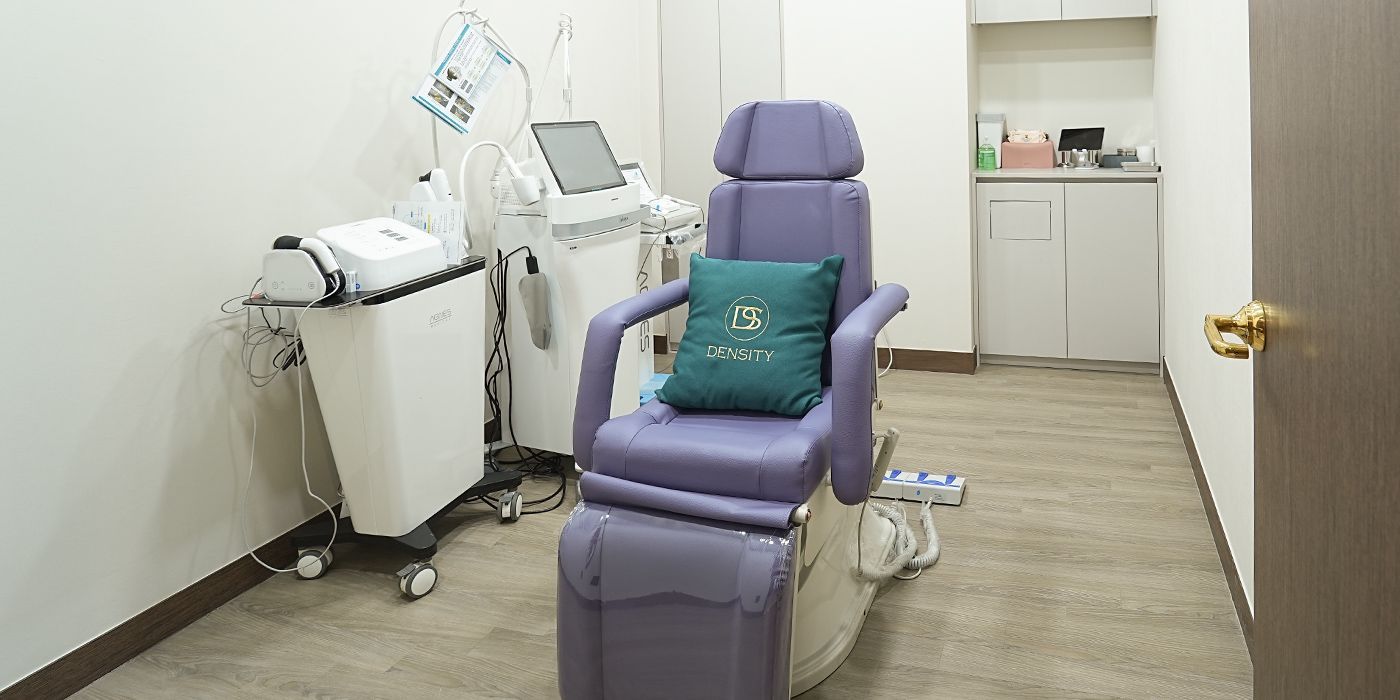
Your dermatologist listens to the story of your itch, reviews products and medications, examines the skin from scalp to feet with a dermoscope where useful, and arranges a scraping, blood panel or patch or blood allergy tests as indicated.
2. Treatment
You receive a barrier plan with a suitable cleanser and emollient, plus prescription therapy matched to the diagnosis: anti-inflammatory creams, non-sedating or night-time antihistamines, antifungals or scabies treatment, and oral medication for severe or neuropathic itch. Lifestyle factors such as bathing temperature, humidity and fabrics are addressed, and intensely itchy eczema patches may be treated in clinic.
3. Aftercare & follow-up
A review at two to six weeks confirms the itch is settling and test results are explained. Chronic or unexplained itch is followed over time, and you leave with a written plan for flare-ups.
Cost & insurance
Itchy skin treatment cost in Seoul
Pruritus and its underlying skin conditions are medical, so insured residents typically have part of the consultation, tests and prescriptions covered by Korean National Health Insurance, paying a co-payment. International visitors pay self-pay rates and receive an itemised receipt.
| Option | Typical range (KRW) |
|---|---|
| Consultation and examination (self-pay) | 30,000 – 80,000 |
| Blood test panel for itch (self-pay) | 50,000 – 150,000 |
| Allergy testing (self-pay, if needed) | 80,000 – 250,000 |
Exact pricing is confirmed at consultation after examination.
Home care
Aftercare
- Apply emollient at least twice daily and within three minutes of bathing.
- Use lukewarm water, short showers and a fragrance-free cleanser.
- Keep nails short and press or cool the skin rather than scratching.
- Wear soft cotton, and use a humidifier in heated rooms during winter.
- Take prescribed treatment for the full course and keep your follow-up visit.

Medically reviewed by
Dr. Chang-hyun Kim, M.D.
Board-certified dermatologist and Representative Director of Oaro Dermatology Clinic, Cheongdam. Full member of the Korean Dermatological Association, the Korean Society of Atopic Dermatitis, the Korean Society of Vitiligo & Pigmentation and the Korean Society of Acne & Rosacea.
FAQ
Frequently asked questions
Why is my skin itchy with no rash?
Dry skin is the most common reason, but itch without a rash can also signal iron deficiency, thyroid, liver or kidney conditions, or medication effects. Blood tests help clarify.
When should I see a dermatologist for itching?
If itch lasts more than two weeks, affects sleep, spreads widely, or comes with other symptoms, book a visit to Oaro Dermatology Clinic in Apgujeong.
Do antihistamines stop all itch?
They help histamine-driven itch such as hives, but eczema and dry-skin itch respond better to barrier repair and anti-inflammatory treatment.
Can stress cause itchy skin?
Stress can amplify itch and trigger flares of eczema and urticaria. Treating the skin and managing stress together works best.
Is itchy skin in winter normal?
Dry, heated air commonly causes winter itch. Consistent moisturising usually prevents it; persistent itch should still be assessed.
Explore related care
Related conditions and treatments
- Urticaria (Hives) — itchy wheals that come and go
- Allergy Testing — identifying contact and airborne triggers
- Atopic Dermatitis — the most common itchy eczema
- Contact Dermatitis — itch from products and metals
- Dry & Dehydrated Skin — barrier care for dryness-related itch
- Medical Dermatology — all medical skin services
Same-week appointments
See a board-certified dermatologist in Apgujeong
Bring your questions, medication list and any photos of flare-ups. We will examine your skin, explain the diagnosis and give you a written plan. English-speaking coordinators are available for international patients and expats.