
General Dermatology · Apgujeong, Seoul
Vitiligo
Specialist diagnosis and repigmentation therapy for vitiligo, from topical treatment to excimer laser.

General Dermatology · Apgujeong, Seoul
Vitiligo
Specialist diagnosis and repigmentation therapy for vitiligo, from topical treatment to excimer laser.

Quick answer
Medical dermatology at Oaro Dermatology Clinic is led by board-certified dermatologists who diagnose first and treat second. Korean National Health Insurance may apply to covered conditions for insured residents. Meet our doctors or book a same-week appointment .
At a glance
| Procedure time | Consultation 20–30 minutes; phototherapy or excimer 5–15 minutes |
|---|---|
| Anaesthesia | Not required |
| Downtime | None; mild pinkness after light treatment |
| Sessions | Light therapy 2–3 times weekly for several months |
| Results last | Repigmentation can be durable, though maintenance may be needed |
| Performed by | Board-certified dermatologist |
Overview
What is vitiligo?
Vitiligo affects about one in a hundred people worldwide. The immune system targets melanocytes, the cells that make pigment, and the skin loses colour in patches with sharp borders. It is not contagious and not caused by diet or hygiene. Genetics play a part, and it is associated with other autoimmune conditions such as thyroid disease, which may be screened for. Patches can appear anywhere, but the face, lips, hands, elbows, knees and genital area are common. Friction, sunburn and skin injury can trigger new patches, a phenomenon called the Koebner response. Vitiligo may be stable for years or spread in phases.
You should see a dermatologist as soon as you notice a new white patch. Early, active disease responds best to treatment, and a specialist can distinguish vitiligo from look-alikes such as pityriasis alba, tinea versicolor, post-inflammatory hypopigmentation or a naevus. Patches on the face and hands are often the most distressing and also among the more responsive areas.
How vitiligo is treated at Oaro
Dr. Chang-hyun Kim is a full member of the Korean Society of Vitiligo & Pigmentation, and vitiligo care at Oaro Dermatology Clinic in Apgujeong, Seoul, follows current evidence. Diagnosis uses Wood's lamp and dermoscopy, with photographs to map extent and detect activity. Treatment is layered: topical corticosteroids or calcineurin inhibitors for limited patches; targeted 308 nm excimer laser or narrowband UVB phototherapy to stimulate surviving melanocytes; and, in active spreading disease, short oral courses to halt progression. Newer topical JAK-inhibitor creams are discussed where available and appropriate. For long-stable patches that do not respond, surgical grafting can be considered through referral. Sun protection, camouflage advice and emotional support are part of every plan, which is written in your care notebook. Because colour differences also arise from post-inflammatory changes and general uneven skin tone, the clinic can address the surrounding skin as well, and you can read about the doctors on our about page.
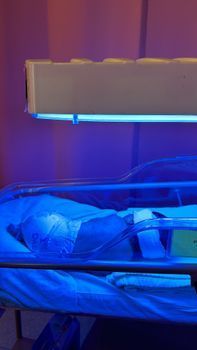
Why patients choose Oaro
- Board-certified dermatologists for medical and cosmetic skin care under one roof
- Dermoscopy, allergy and scalp assessment before any prescription
- Written treatment plan, home-care guidance and follow-up
- Private rooms in Cheongdam Tower, 8 minutes from Apgujeong Rodeo Station
- English-friendly coordination for visitors and expats
Treatment goals
Common goals for vitiligo care
Confirm the diagnosis
Not every white patch is vitiligo; the right label leads to the right plan.
Stop the spread
In active disease, early anti-inflammatory treatment aims to stabilise the patches.
Restore pigment
Excimer laser and phototherapy encourage repigmentation, especially on the face and body.
Protect and conceal
Sunscreen prevents burning of unprotected patches, and camouflage options support confidence while treatment works.
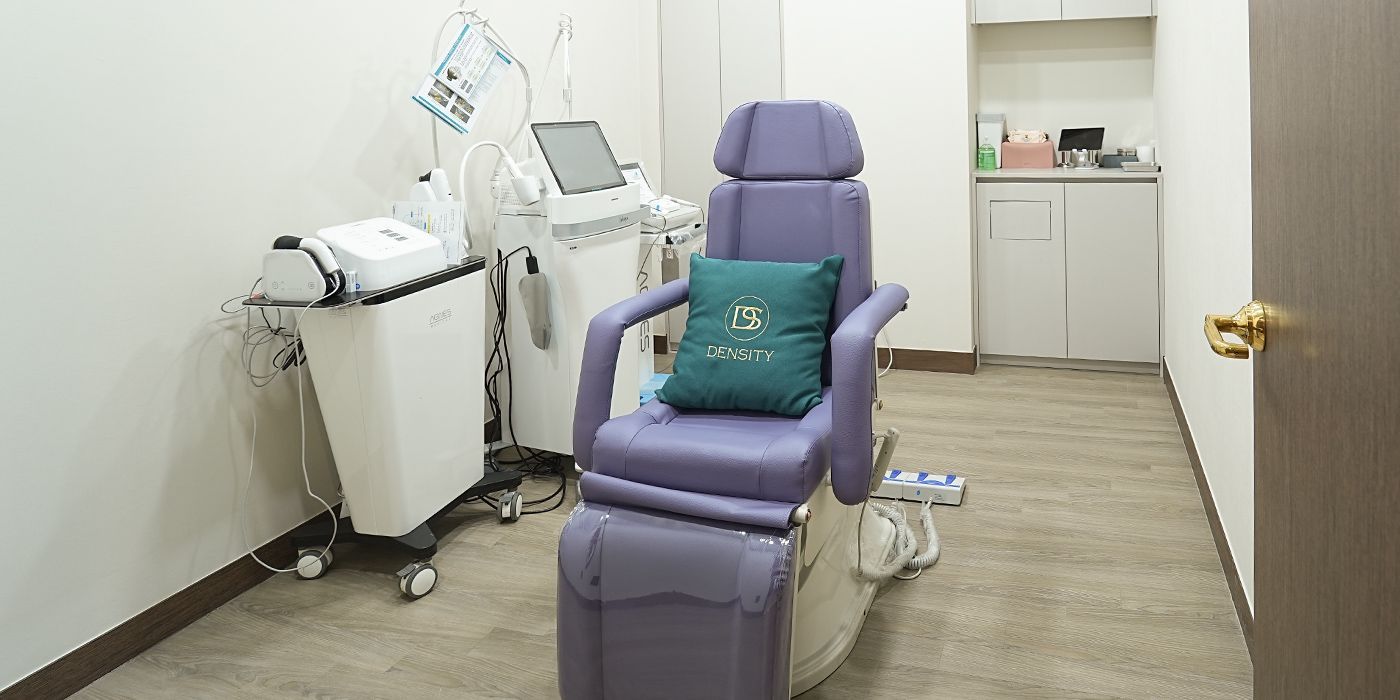
Your visit
What to expect
1. Consultation & diagnosis
Your dermatologist takes a history including family and autoimmune conditions, examines the skin under Wood's lamp and dermoscopy, photographs the patches and may order thyroid and autoimmune blood tests.
2. Treatment
A combination plan is set out in writing. Topical therapy starts immediately. Excimer laser or narrowband UVB sessions at Oaro Dermatology Clinic are scheduled two to three times a week, with doses increased gradually. Active spreading disease may be treated with a short course of oral medication to calm the immune attack.
3. Aftercare & follow-up
Photographs are compared every four to eight weeks. Repigmentation usually begins as small dots around hair follicles or from the edges of a patch; a full response can take six to twelve months.
Cost & insurance
Vitiligo treatment cost in Seoul
Vitiligo is a recognised medical condition, and Korean National Health Insurance typically covers consultation, prescription topicals and phototherapy for insured residents. International visitors pay the self-pay ranges below.
| Option | Typical range (KRW) |
|---|---|
| Specialist consultation (self-pay) | 30,000–60,000 |
| Consultation + prescription topicals | 60,000–150,000 |
| Narrowband UVB phototherapy, per session | 30,000–80,000 |
| Excimer laser, per session (by area) | 50,000–150,000 |
Exact pricing is confirmed at consultation after examination.
Home care
Aftercare
- Apply SPF 50 sunscreen to all exposed skin daily; depigmented patches burn quickly.
- Avoid friction, tight straps and skin injury, which can trigger new patches.
- Use topical treatments exactly as scheduled, including on weekends.
- After light therapy, expect mild pinkness; report any blistering before the next session.
- Attend sessions consistently; repigmentation depends on regular, cumulative treatment.
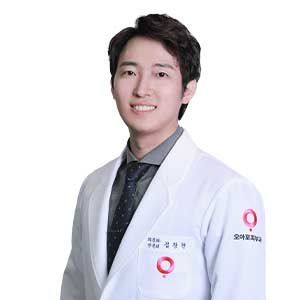
Medically reviewed by
Dr. Chang-hyun Kim, M.D.
Board-certified dermatologist and Representative Director of Oaro Dermatology Clinic, Cheongdam. Full member of the Korean Dermatological Association, the Korean Society of Atopic Dermatitis, the Korean Society of Vitiligo & Pigmentation and the Korean Society of Acne & Rosacea.
FAQ
Frequently asked questions
Is vitiligo curable?
There is no cure, but many patients achieve substantial repigmentation, and active disease can often be stabilised.
Which areas respond best?
The face, neck and trunk usually respond better than the fingertips, lips and ankles.
How long before I see results?
Early dots of pigment may appear after two to three months of consistent treatment; full results take longer.
Is the excimer laser safe for the face?
Yes, it treats only the patch with a targeted beam, sparing the surrounding skin.
Can international patients continue treatment at home?
Yes. Oaro provides a written summary of diagnosis, doses and progress so that a dermatologist in your home country can continue the plan.
Explore related care
Related conditions and treatments
- Medical Dermatology — all medical skin conditions treated in Apgujeong
- Post-Inflammatory Hyperpigmentation — dark marks after inflammation
- Skin Discoloration — other causes of patchy colour
- Uneven Skin Tone — evening the surrounding skin
- About & Doctors — Dr. Kim's pigmentation society membership
- Contact & Booking — book a vitiligo consultation
Same-week appointments
See a board-certified dermatologist in Apgujeong
Bring your questions, medication list and any photos of flare-ups. We will examine your skin, explain the diagnosis and give you a written plan. English-speaking coordinators are available for international patients and expats.