
Skin Concerns · Apgujeong, Seoul
Uneven Skin Tone
Patchy pigment, blotchy redness and dullness assessed by a dermatologist and treated as one coordinated plan.

Skin Concerns · Apgujeong, Seoul
Uneven Skin Tone
Patchy pigment, blotchy redness and dullness assessed by a dermatologist and treated as one coordinated plan.

Quick answer
Every plan at Oaro Dermatology Clinic begins with a 1:1 skin diagnosis by a board-certified dermatologist, so the dose, device settings and session count are set for your skin rather than a template. Meet our doctors or ask about your own skin .
At a glance
| Procedure time | 30–45 minutes per session |
|---|---|
| Anaesthesia | Topical numbing cream if needed |
| Downtime | None to 2 days of mild pinkness |
| Sessions | 4–6, spaced 2–4 weeks apart |
| Results last | 12+ months with sun protection and maintenance |
| Performed by | Board-certified dermatologist |
Overview
What is uneven skin tone?
Uneven skin tone describes a complexion that looks blotchy or patchy rather than uniform. It is rarely one problem. In most patients we see in Apgujeong, it is a layered mix of three things: scattered brown pigment from freckles, sun spots or lingering acne marks; diffuse pink or red areas where small vessels sit close to the surface; and zones of dull, slightly rough skin where dead cells build up and scatter light. Because the causes differ, a single cream or a single laser usually improves one layer and leaves the others behind.
Common triggers include cumulative UV exposure, hormonal shifts, previous inflammation from acne or eczema, over-exfoliation, and a skin barrier irritated by too many active ingredients. Olive and darker skin types, which are common among our Korean and international patients, also tend to hold pigment longer after any irritation, so aggressive treatment can make tone worse rather than better.
How uneven skin tone is treated at Oaro
A consultation at Oaro Dermatology Clinic begins with skin imaging and a Wood's lamp examination so the dermatologist can separate epidermal pigment, deeper dermal pigment and vascular redness. Each layer is then matched to the right tool. Superficial brown pigment typically responds to Lumenis M22 IPL and low-fluence Pico laser toning; redness is addressed with the V laser; dullness is lifted with mild peels or Aquapeel. Skin boosters such as Rejuran may be added to calm inflammation and support barrier recovery. This rotating, layered approach is the basis of the clinic's Oaro Custom Brightening programme in Seoul, and it is adjusted at every visit according to how your skin responds.

Why patients choose Oaro
- Diagnosis and treatment by a board-certified dermatologist, not a technician
- Genuine devices and products: Ultherapy, Thermage FLX, Helios Pico, Rejuran, Juvelook
- One treatment plan, written down, with aftercare and follow-up
- Private 1:1 rooms in Cheongdam Tower, 8 minutes from Apgujeong Rodeo Station
- English-friendly coordination and clear, itemised pricing
Treatment goals
Common goals for uneven skin tone
A more uniform complexion
Reduce the contrast between pigmented, red and normal areas so the face reads as one even tone in daylight and in photographs.
Clearer skin without irritation
Improve tone gradually with settings suited to Asian and olive skin, lowering the risk of rebound pigmentation.
Less reliance on heavy base make-up
Many patients want to wear lighter products once blotchiness is reduced.
A maintainable routine
Leave with a written home-care and sun-protection plan so results hold between visits.
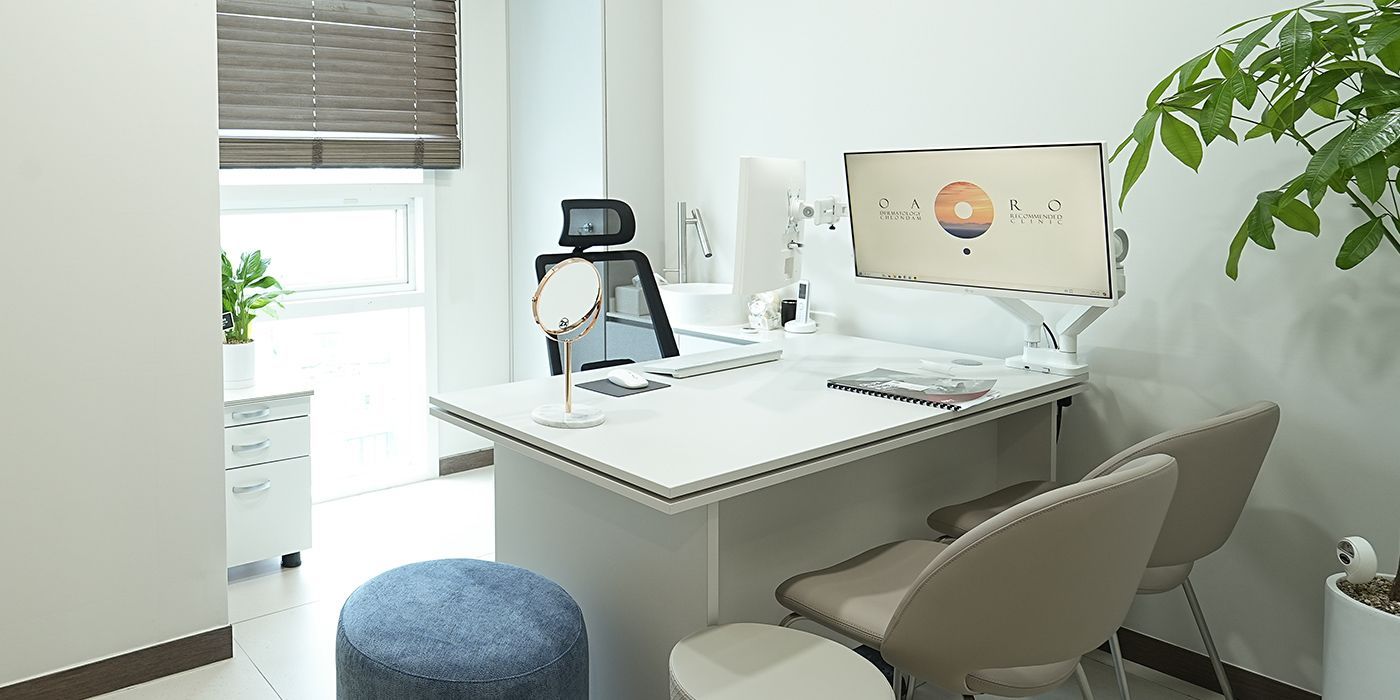
Your visit
What to expect
1. Consultation & diagnosis
Your dermatologist reviews your history, medications and previous treatments, then examines the skin under magnification and UV light to classify the pigment and redness present.
2. Treatment sessions
Sessions typically take 30–45 minutes. IPL or Pico toning is performed first, with the V laser added for red areas in the same visit where appropriate. A mild peel or Aquapeel may be scheduled between laser sessions. Most plans involve 4–6 visits at 2–4 week intervals.
3. Aftercare & follow-up
You receive written aftercare and a care notebook. Progress photographs are compared at each visit and the plan is adjusted. Book a consultation to begin.
Cost guide
Uneven skin tone treatment cost in Seoul
Because treatment is layered, cost depends on which combination your dermatologist recommends and how many sessions are needed. Typical ranges for Apgujeong clinics are shown below.
| Option | Typical range (KRW) |
|---|---|
| Lumenis M22 IPL, full face (per session) | 150,000 – 300,000 |
| Pico laser toning (per session) | 120,000 – 250,000 |
| V laser for redness (add-on) | 100,000 – 250,000 |
| Mild peel or Aquapeel | 80,000 – 150,000 |
| Custom Brightening package (5 sessions) | 900,000 – 1,800,000 |
Exact pricing is confirmed at consultation after examination.
Aftercare
Aftercare
- Apply broad-spectrum SPF 50+ every morning and reapply outdoors; this is the single most important step.
- Pause retinoids, acids and scrubs for 3–5 days after each laser session.
- Expect mild pinkness for a few hours and, after IPL, slight darkening of spots that flakes off within a week.
- Use a bland moisturiser and avoid saunas, hot yoga and heavy sweating for 48 hours.
- Keep your follow-up appointment so settings can be adjusted to your response.
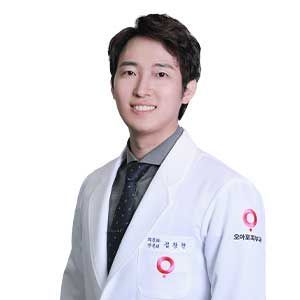
Medically reviewed by
Dr. Chang-hyun Kim, M.D.
Board-certified dermatologist and Representative Director of Oaro Dermatology Clinic, Cheongdam. Ulthera Certified Treatment Provider, Thermage FLX Master Certified, and full member of the Korean Dermatological Association, the Korean Society for Dermatologic Laser and the Korean Filler Society.
FAQ
Frequently asked questions
What causes uneven skin tone?
Sun exposure, previous acne or eczema, hormones and barrier irritation are the most common causes, often acting together.
Can uneven skin tone be fixed permanently?
It can be improved significantly, but new pigment forms with sun exposure, so maintenance and daily SPF are needed.
Is IPL or Pico laser better for uneven tone?
IPL suits mixed brown-and-red discolouration; Pico toning suits finer pigment and darker skin types. Many plans use both.
How many sessions will I need?
Most patients notice visible change after 2–3 sessions and complete 4–6 sessions for a stable result.
Is treatment safe for Asian skin?
Yes, when settings are chosen conservatively by an experienced dermatologist, which is why diagnosis comes before any device is used.
Explore related care
Often considered together
- Skin Concerns — browse every concern we treat
- Pigmentation Treatment — for the brown component
- Redness Treatment — for the vascular component
- Skin Brightening — the Oaro Custom Brightening programme
- Pico Laser — gentle toning for pigment
- Contact & Booking — book a consultation
Private 1:1 consultation
Plan your treatment with a board-certified dermatologist in Apgujeong
Tell us what you would like to change, and we will examine your skin, explain the options and give you a written plan with clear pricing. English-speaking coordinators are available for international patients.