
General Dermatology · Apgujeong, Seoul
Skin Check-Up
A full-body dermatologist examination with dermoscopy for moles, growths and anything you have been unsure about.

General Dermatology · Apgujeong, Seoul
Skin Check-Up
A full-body dermatologist examination with dermoscopy for moles, growths and anything you have been unsure about.

Quick answer
Medical dermatology at Oaro Dermatology Clinic is led by board-certified dermatologists who diagnose first and treat second. Korean National Health Insurance may apply to covered conditions for insured residents. Meet our doctors or book a same-week appointment .
At a glance
| Procedure time | 20–40 minutes |
|---|---|
| Anaesthesia | Not required; local anaesthetic only if a biopsy is taken |
| Downtime | None |
| Sessions | Once a year, or every 6 months for higher-risk patients |
| Results last | Annual review recommended; sooner if a lesion changes |
| Performed by | Board-certified dermatologist |
Overview
What is a skin check-up?
A skin check-up is a systematic, whole-body examination of the skin, scalp, nails, palms and soles by a dermatologist. Its main purpose is to find skin cancers and precancerous lesions early, when they are simplest to treat, but it also catches benign growths, pigment changes, fungal infections, early hair loss and conditions people have quietly lived with for years. In East Asian populations, melanoma is less common overall than in Western countries but appears more often on the palms, soles and under the nails, sites that are easy to miss without a professional look.
A check-up is worth booking if you have many moles, a personal or family history of skin cancer, fair skin that burns, significant past sun exposure or sunbed use, a mole that has changed, a sore that does not heal within a month, or a lesion you have never had assessed. Many international residents and visitors in Seoul also use a check-up as a convenient baseline while they are near a specialist clinic.
How a skin check-up works at Oaro
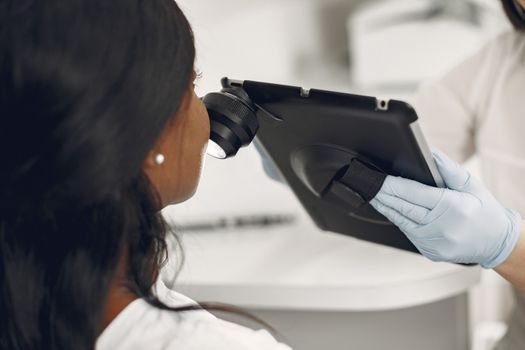
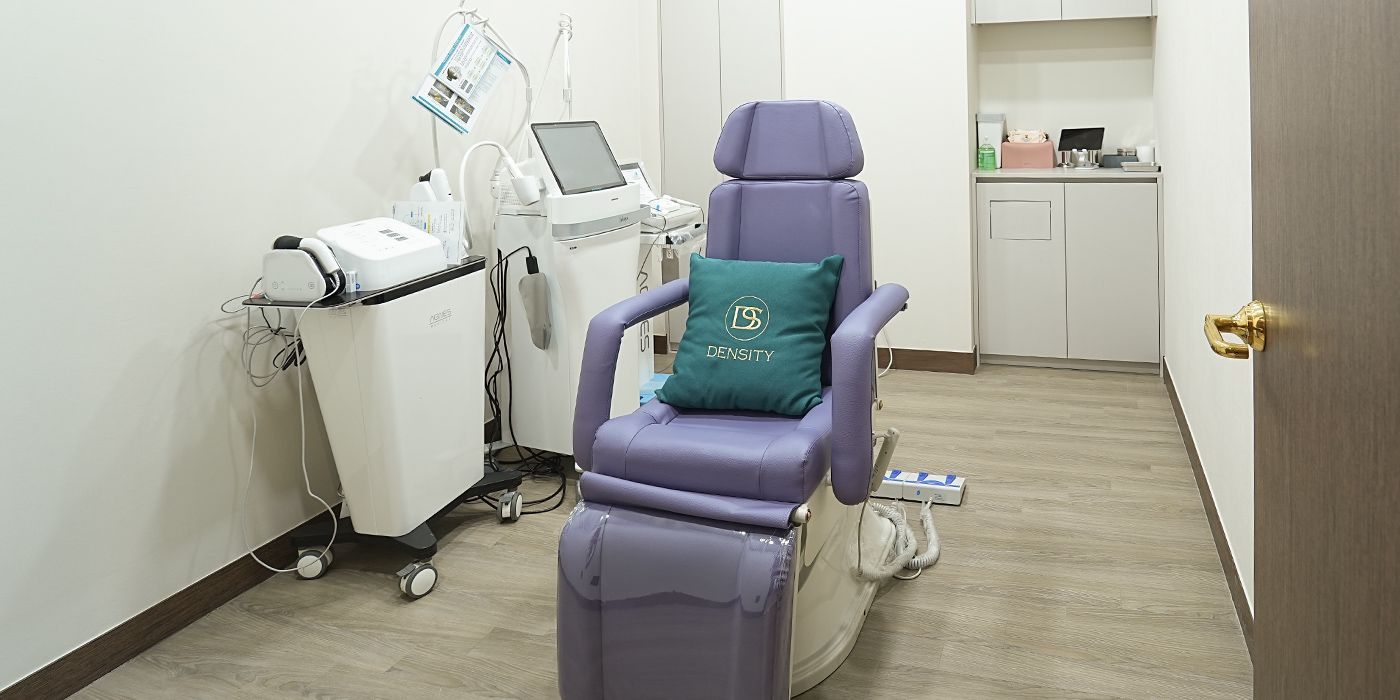
At Oaro Dermatology Clinic in Apgujeong, Seoul, the examination is carried out in a private room by a board-certified dermatologist, not a technician. Each area is inspected under bright light and with a dermatoscope, a magnifying polarised lens that reveals pigment and vessel patterns invisible to the naked eye. Lesions that need watching are photographed with a scale marker so that any change can be measured at the next visit; see our dedicated mole check page for how individual moles are assessed. Anything suspicious can be biopsied the same day under local anaesthetic, and benign growths such as seborrhoeic keratoses or skin tags can be removed by CO2 or Erbium laser if you wish. You leave with a written summary and, if needed, a follow-up interval. Visitors can also use our walk-in medical dermatology service when time is short.
Why patients choose Oaro
- Board-certified dermatologists for medical and cosmetic skin care under one roof
- Dermoscopy, allergy and scalp assessment before any prescription
- Written treatment plan, home-care guidance and follow-up
- Private rooms in Cheongdam Tower, 8 minutes from Apgujeong Rodeo Station
- English-friendly coordination for visitors and expats
Treatment goals
Common goals for a skin check-up
Find skin cancer early
Dermoscopic examination of the whole body aims to detect melanoma and non-melanoma skin cancers at a curable stage.
Establish a baseline
Photographs of moles and growths make future change easy to recognise.
Answer the questions you have carried
Spots, bumps and patches you have wondered about are named and, where appropriate, treated.
Set a sensible follow-up plan
Your risk level determines whether you need an annual check or more frequent monitoring.
Your visit
What to expect
1. Consultation & diagnosis
Your dermatologist asks about sun history, family history, previous skin cancers and any lesions that concern you. You then undress to underwear in a private room and every area is examined with dermoscopy, including the scalp, between the toes and the nails.
2. Treatment
Lesions needing clarification are photographed, biopsied or removed on the same visit where practical. At Oaro Dermatology Clinic, benign growths can be treated by laser or minor excision immediately, and prescriptions are issued for any conditions discovered along the way.
3. Aftercare & follow-up
Biopsy results are discussed within one to two weeks, in person or by message for visitors who have left Seoul. A written summary records what was found and when you should return.
Cost & insurance
Skin check-up cost in Seoul
A preventive full-body check without a specific symptom is generally self-pay, even for insured residents. If a suspicious lesion is found, its diagnosis and biopsy become medical care that Korean National Health Insurance may cover for insured patients. Visitors receive itemised receipts for their own insurers.
| Option | Typical range (KRW) |
|---|---|
| Full-body skin check with dermoscopy | 50,000–150,000 |
| Dermoscopic photography / mole mapping | 100,000–250,000 |
| Skin biopsy with histology | 150,000–300,000 |
| Laser removal of a benign growth, per lesion | 30,000–100,000 |
Exact pricing is confirmed at consultation after examination.
Home care
Aftercare
- Check your own skin monthly in a well-lit room, using a mirror or a partner for the back and scalp.
- Apply SPF 50 sunscreen daily and reapply outdoors; wear a hat during Seoul's high-UV months.
- Keep the clinic's summary and photographs so changes can be compared at your next visit.
- If a biopsy was taken, keep the dressing dry for 24 hours and attend for suture removal as advised.
- Book an earlier review if any mole changes in size, shape or colour, or if a sore fails to heal within four weeks.
Medically reviewed by
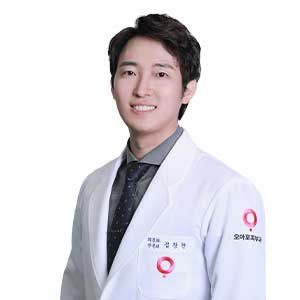
Dr. Chang-hyun Kim, M.D.
Board-certified dermatologist and Representative Director of Oaro Dermatology Clinic, Cheongdam. Full member of the Korean Dermatological Association, the Korean Society of Atopic Dermatitis, the Korean Society of Vitiligo & Pigmentation and the Korean Society of Acne & Rosacea.
FAQ
Frequently asked questions
How often should I have a skin check?
Once a year is reasonable for most adults; those with many moles, a history of skin cancer or heavy sun exposure may be advised to come every six months.
Does the check include the scalp and feet?
Yes. These are important sites, especially the soles and nails in Asian skin, and they are examined routinely.
Can a suspicious mole be removed on the same day?
Usually yes, by biopsy or excision under local anaesthetic, with the tissue sent for histology.
Is the check-up suitable for visitors staying only a few days?
Yes. The examination takes under an hour and results can be sent to you after you leave Seoul.
Is an English-speaking dermatologist available?
Yes. Oaro Dermatology Clinic is English-friendly and used to caring for international patients.
Explore related care
Related conditions and treatments
- Medical Dermatology — the hub for medical skin care in Apgujeong
- Mole Check — dermoscopic assessment of individual moles
- Seborrheic Keratosis — the most common benign growth found at check-ups
- Skin Tags — quick removal of small growths
- Walk-In Medical Dermatology in Gangnam — same-day visits for visitors
- Contact & Booking — book your skin check-up
Same-week appointments
See a board-certified dermatologist in Apgujeong
Bring your questions, medication list and any photos of flare-ups. We will examine your skin, explain the diagnosis and give you a written plan. English-speaking coordinators are available for international patients and expats.