
General Dermatology · Apgujeong, Seoul
Seborrheic Keratosis
Confirm that a waxy, raised spot is benign and remove it cleanly with CO2 or Erbium laser.

General Dermatology · Apgujeong, Seoul
Seborrheic Keratosis
Confirm that a waxy, raised spot is benign and remove it cleanly with CO2 or Erbium laser.

Quick answer
Medical dermatology at Oaro Dermatology Clinic is led by board-certified dermatologists who diagnose first and treat second. Korean National Health Insurance may apply to covered conditions for insured residents. Meet our doctors or book a same-week appointment .
At a glance
| Procedure time | 10–30 minutes depending on the number of lesions |
|---|---|
| Anaesthesia | Numbing cream or local injection |
| Downtime | 5–10 days of crusting; make-up after the crust falls off |
| Sessions | Usually 1; thick lesions occasionally need a second |
| Results last | Treated lesions do not return; new ones may develop with age |
| Performed by | Board-certified dermatologist |
Overview
What is a seborrhoeic keratosis?
Seborrhoeic keratoses are the most common benign skin growths in adults. They begin as flat tan patches and gradually thicken into raised, waxy or rough lesions with a "pasted-on" look, sometimes with tiny pits or keratin plugs visible on close inspection. They are driven by age, genetics and cumulative sun exposure rather than by infection or hygiene, and they are not contagious and do not become cancer. In East Asian skin, flat facial seborrhoeic keratoses on the temples and cheeks are especially common and are often mistaken for age spots or freckles, while small dark papules around the eyes resemble skin tags.
Although harmless, they can catch on clothing, itch, bleed when scratched or simply be unwelcome on the face. You should see a dermatologist when a lesion grows quickly, bleeds without injury, becomes painful, looks different from your other spots, or when you want it removed. Occasionally a melanoma or pigmented basal cell carcinoma mimics a seborrhoeic keratosis, which is why a dermoscopic diagnosis matters before any treatment.
How seborrhoeic keratosis is treated at Oaro
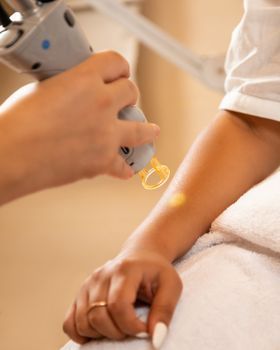
At Oaro Dermatology Clinic in Apgujeong, Seoul, a board-certified dermatologist first confirms the diagnosis with dermoscopy, looking for the milia-like cysts, comedo-like openings and fissured surface that define the lesion. Anything atypical is sampled for histology, as in a mole check. Confirmed lesions are removed with the CO2 laser, or the Erbium laser for fine, superficial facial lesions, which vaporises the growth layer by layer with precise control and little effect on surrounding skin. Cryotherapy or a curette may be used for thick lesions on the trunk. Flat pigmented variants on the face can be treated in the same session as age spots, and residual marks can later be blended with CO2 laser resurfacing if desired. Written aftercare goes into your care notebook before you leave.
Why patients choose Oaro
- Board-certified dermatologists for medical and cosmetic skin care under one roof
- Dermoscopy, allergy and scalp assessment before any prescription
- Written treatment plan, home-care guidance and follow-up
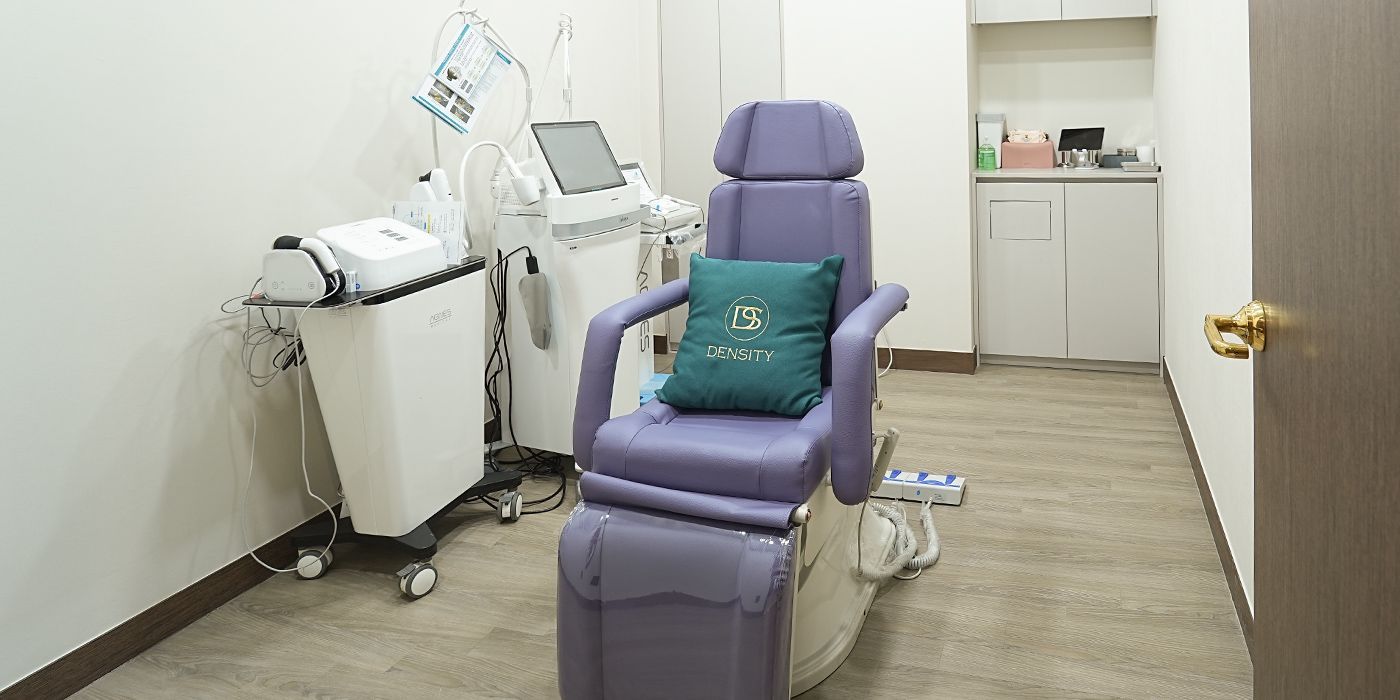
- Private rooms in Cheongdam Tower, 8 minutes from Apgujeong Rodeo Station
- English-friendly coordination for visitors and expats
Treatment goals
Common goals for seborrhoeic keratosis care
Confirm it is benign
Dermoscopy separates these growths from the rare cancers that imitate them.
Remove without a scar
Laser ablation removes the lesion precisely so the healed skin blends with its surroundings.
Clear many lesions efficiently
Multiple spots on the face, chest or back can be treated in one visit.
Plan for the future
Sun protection and periodic checks keep new growths small and easy to manage.
Your visit
What to expect
1. Consultation & diagnosis
Your dermatologist examines each lesion with dermoscopy, counts and photographs them, and confirms that laser removal is appropriate. Any lesion with unusual features is biopsied instead.
2. Treatment
Numbing cream is applied for about 30 minutes, or a small local injection is used for thicker lesions. At Oaro Dermatology Clinic the CO2 or Erbium laser then removes each growth in seconds; a treatment of several lesions takes 10–30 minutes. A soothing ointment and dressing are applied.
3. Aftercare & follow-up
Sites crust and heal within about a week on the face and two weeks on the body. A review at two to four weeks checks healing and treats any residual thickness.
Cost & insurance
Seborrhoeic keratosis removal cost in Seoul
Removal of a benign seborrhoeic keratosis is usually classed as cosmetic and is self-pay for everyone, although diagnosis or biopsy of a suspicious lesion may be covered by Korean National Health Insurance for insured residents. Pricing is per lesion or by package.
| Option | Typical range (KRW) |
|---|---|
| Dermoscopic assessment (self-pay) | 30,000–60,000 |
| Laser removal, per lesion | 30,000–100,000 |
| Multiple-lesion package (face or chest) | 200,000–600,000 |
| Histology if a lesion is sampled | 100,000–200,000 |
Exact pricing is confirmed at consultation after examination.
Home care
Aftercare
- Apply the prescribed ointment two to three times daily and keep the site covered for the first few days.
- Leave the crust to fall off on its own; picking it can leave a mark.
- Avoid swimming, saunas and strenuous exercise until the skin has closed.
- Use SPF 50 sunscreen on the healed site for three months to prevent post-inflammatory pigmentation.
- Report increasing redness, pain or discharge, which are uncommon but need prompt review.
Medically reviewed by
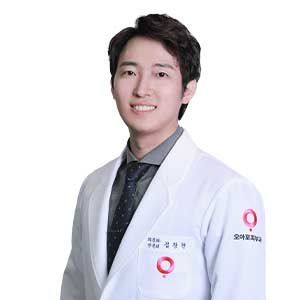
Dr. Chang-hyun Kim, M.D.
Board-certified dermatologist and Representative Director of Oaro Dermatology Clinic, Cheongdam. Full member of the Korean Dermatological Association, the Korean Society of Atopic Dermatitis, the Korean Society of Vitiligo & Pigmentation and the Korean Society of Acne & Rosacea.
FAQ
Frequently asked questions
Is a seborrhoeic keratosis dangerous?
No. It is benign and does not become cancer, but a dermatologist should confirm the diagnosis because some skin cancers can look similar.
Why do I keep getting more of them?
They increase with age and genetics; sun protection may slow the development of new ones on exposed skin.
Does laser removal hurt?
With numbing cream or local anaesthetic, most people feel only mild warmth.
Will it leave a scar?
Laser removal usually leaves a faint, flat mark that fades over a few months, especially with good sun protection.
Can I have them removed as a visitor to Seoul?
Yes. Treatment takes one visit in Apgujeong and healing continues safely after you travel home.
Explore related care
Related conditions and treatments
- Medical Dermatology — all medical skin conditions treated at Oaro
- Mole Check — dermoscopic assessment of pigmented lesions
- Skin Tags — soft growths removed in the same visit
- Age Spots — flat sun-related pigmentation
- CO2 Laser Resurfacing — the laser used for precise ablation
- Contact & Booking — book a removal consultation in Seoul
Same-week appointments
See a board-certified dermatologist in Apgujeong
Bring your questions, medication list and any photos of flare-ups. We will examine your skin, explain the diagnosis and give you a written plan. English-speaking coordinators are available for international patients and expats.