
Skin Concerns · Apgujeong, Seoul
Dry & Dehydrated Skin
Dry skin lacks oil; dehydrated skin lacks water. Repair the barrier and replenish moisture with a plan built on diagnosis.
Skin Concerns · Apgujeong, Seoul
Dry & Dehydrated Skin
Dry skin lacks oil; dehydrated skin lacks water. Repair the barrier and replenish moisture with a plan built on diagnosis.

Quick answer
Every plan at Oaro Dermatology Clinic begins with a 1:1 skin diagnosis by a board-certified dermatologist, so the dose, device settings and session count are set for your skin rather than a template. Meet our doctors or ask about your own skin .
At a glance
| Procedure time | 30–50 minutes |
|---|---|
| Anaesthesia | Topical cream for injections |
| Downtime | None to 1 day |
| Sessions | 2–4, every 2–4 weeks |
| Results last | 3–9 months depending on booster |
| Performed by | Board-certified dermatologist |
Overview
What is dry and dehydrated skin?
Dry skin and dehydrated skin are often used interchangeably, but they are different problems that can occur together. Dry skin is a skin type: the sebaceous glands produce too little oil, so the barrier that seals moisture in is thin and the surface feels rough, tight and flaky. It tends to be lifelong and worsens with age as oil production falls. Dehydrated skin is a state: the outer layer lacks water, regardless of how much oil is present. Oily skin can be dehydrated, which shows as shine with tightness, fine crinkling when pinched and makeup that looks patchy.
Causes include low humidity and indoor heating in Seoul's winters, hot showers, harsh foaming cleansers, over-exfoliation, retinoid or acne treatment, air travel, caffeine and alcohol, and medical conditions such as atopic dermatitis or thyroid disease. A damaged barrier lets water escape and irritants in, so dehydrated skin often becomes sensitive as well.
How dry and dehydrated skin is treated at Oaro
At Oaro Dermatology Clinic in Apgujeong, Seoul, Dr. Chang-hyun Kim starts with a skin analysis that measures surface hydration, sebum and barrier integrity, and screens for eczema or other medical causes. The plan then works from the outside in: a simplified routine and prescription barrier repair where needed; in-clinic hydration therapy with LDM ultrasound and Dermio Care ion delivery to drive moisture into the skin; and injectable boosters such as Juvelook, Rejuran or Skinvive to hold water in the dermis for months. Barrier-friendly options such as LED light therapy can calm the irritation that so often accompanies dryness.

Why patients choose Oaro
- Diagnosis and treatment by a board-certified dermatologist, not a technician
- Genuine devices and products: Ultherapy, Thermage FLX, Helios Pico, Rejuran, Juvelook
- One treatment plan, written down, with aftercare and follow-up
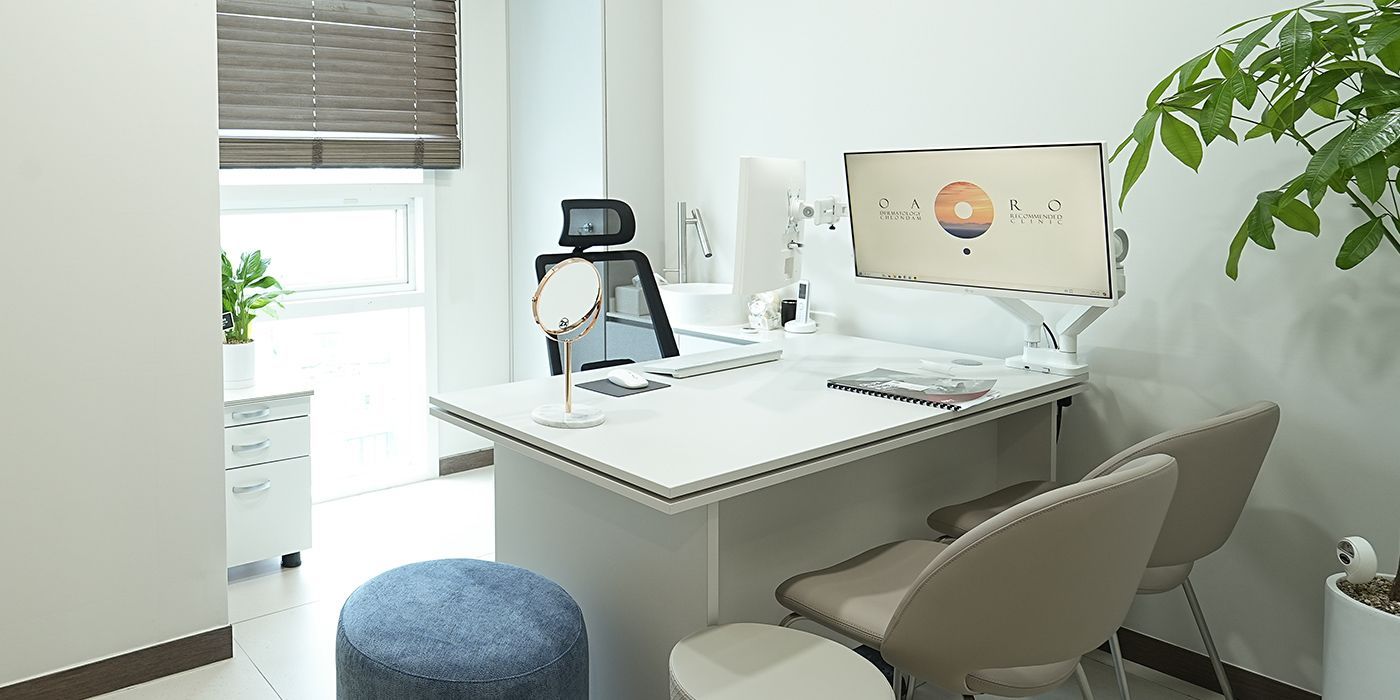
- Private 1:1 rooms in Cheongdam Tower, 8 minutes from Apgujeong Rodeo Station
- English-friendly coordination and clear, itemised pricing
Treatment goals
Common goals for dry and dehydrated skin treatment
Comfort without tightness
Restore a barrier that holds water so the skin stops feeling tight after cleansing.
No more flaking
Smooth the surface so moisturiser and makeup apply evenly.
Plumpness that lasts
Replenish dermal hyaluronic acid so fine dehydration lines disappear for months.
Less reactivity
Reduce the stinging and redness that come with a leaky barrier.
Your visit
What to expect
1. Consultation & diagnosis
Your dermatologist reviews your routine, environment and medical history, measures hydration and sebum with skin analysis and checks for eczema or dermatitis. You receive a written plan and a simplified home routine.
2. Treatment
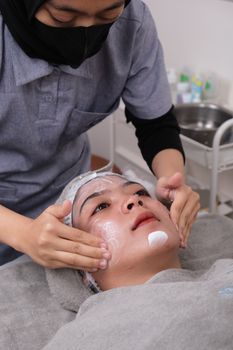
A typical session combines LDM ultrasound and Dermio Care ion therapy for about 30 minutes, with no downtime. Injectable boosters are added at the second or third visit after numbing cream; Skinvive is usually a single treatment, while Rejuran or Juvelook is a course of two to three.
3. Aftercare & follow-up
You leave with English aftercare and product guidance. Hydration is re-measured at the final visit, and seasonal maintenance is scheduled in your care notebook.
Cost guide
Dry and dehydrated skin treatment cost in Seoul
Hydration programs in Apgujeong are priced per session; medical consultations for eczema may be partly covered by national insurance for eligible patients.
| Option | Typical range (KRW) |
|---|---|
| LDM and Dermio Care hydration session | 100,000 – 250,000 |
| Rejuran Healer, per session | 300,000 – 500,000 |
| Juvelook, per session | 300,000 – 600,000 |
| Skinvive, per treatment | 500,000 – 900,000 |
Exact pricing is confirmed at consultation after examination.
Aftercare
Aftercare
- Cleanse once daily with a non-foaming cleanser and lukewarm water.
- Apply moisturiser to damp skin within a minute of washing.
- Use a humidifier in heated rooms and avoid long hot showers.
- Pause exfoliants and retinoids until the barrier has recovered.
- Wear SPF 50 daily; dehydrated skin burns and pigments more easily.
Medically reviewed by
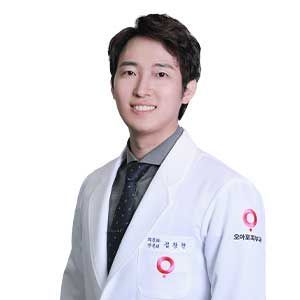
Dr. Chang-hyun Kim, M.D.
Board-certified dermatologist and Representative Director of Oaro Dermatology Clinic, Cheongdam. Ulthera Certified Treatment Provider, Thermage FLX Master Certified, and full member of the Korean Dermatological Association, the Korean Society for Dermatologic Laser and the Korean Filler Society.
FAQ
Frequently asked questions
What is the difference between dry and dehydrated skin?
Dry skin lacks oil and is a skin type; dehydrated skin lacks water and is a temporary state that any skin type can have.
Can oily skin be dehydrated?
Yes, and it is common. The skin produces more oil to compensate, so it shines yet feels tight.
Do hydration injections really help?
Boosters such as Skinvive and Juvelook hold water in the dermis for months, which topical products cannot do.
How quickly will my skin feel better?
Barrier repair takes two to four weeks; in-clinic hydration gives relief within days.
Should I see a dermatologist or just change moisturiser?
If tightness, flaking or stinging persist despite good products, a dermatologist can find the cause and treat it.
Explore related care
Often considered together
- Hydration Therapy — in-clinic moisture delivery
- Juvelook — a booster that holds water in the dermis
- Rejuran Healer — repairing the dermis and barrier
- Sensitive Skin — the reactivity that follows a damaged barrier
- Atopic Dermatitis — when dryness is a medical condition
- Skin Concerns — all concerns
- Contact & Booking — book a hydration consultation
Private 1:1 consultation
Plan your treatment with a board-certified dermatologist in Apgujeong
Tell us what you would like to change, and we will examine your skin, explain the options and give you a written plan with clear pricing. English-speaking coordinators are available for international patients.