
Allergy & Sensitivity · Apgujeong, Seoul
Urticaria (Hives)
Acute and chronic hives controlled with stepped antihistamine therapy and careful trigger investigation.

Allergy & Sensitivity · Apgujeong, Seoul
Urticaria (Hives)
Acute and chronic hives controlled with stepped antihistamine therapy and careful trigger investigation.

Quick answer
Medical dermatology at Oaro Dermatology Clinic is led by board-certified dermatologists who diagnose first and treat second. Korean National Health Insurance may apply to covered conditions for insured residents. Meet our doctors or book a same-week appointment .
At a glance
| Procedure time | Consultation 20–30 minutes |
|---|---|
| Anaesthesia | Not applicable |
| Downtime | None |
| Sessions | Acute: 1–2 visits; chronic: reviews every 4–12 weeks while on therapy |
| Results last | Acute hives resolve; chronic hives are controlled and often remit within 1–5 years |
| Performed by | Board-certified dermatologist |
Overview
What is urticaria?
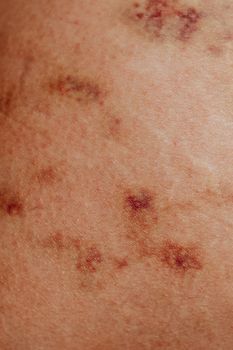
Urticaria is the medical term for hives: pink or skin-coloured wheals that are intensely itchy, vary in size, and typically disappear from one spot within 24 hours while new ones appear elsewhere. Deeper swelling of the lips, eyelids or hands, called angioedema, accompanies hives in some people. Acute urticaria lasts under six weeks and is often triggered by a viral infection, a food, a medication such as antibiotics or anti-inflammatories, or an insect sting. Chronic urticaria persists beyond six weeks; in most cases no external allergen is found, and the condition is thought to be autoimmune or spontaneous. Physical urticarias are provoked by pressure, cold, heat, sunlight, exercise or scratching. Hives are frequently blamed on food or skin allergy when the real driver is infection or spontaneous mast-cell activity.
Most acute hives settle within days, but see a dermatologist if wheals recur for more than a few weeks, if they are accompanied by swelling of the face or lips, if individual wheals last longer than 24 hours or leave bruising, if there is fever or joint pain, or if over-the-counter antihistamines are not controlling the itch. Breathing difficulty or throat swelling needs emergency care.
How urticaria is treated at Oaro
At Oaro Dermatology Clinic in Apgujeong, Seoul, a board-certified dermatologist takes a structured history of timing, triggers, medicines, infections and physical provocations, examines the skin and, where wheals are atypical, may arrange blood tests or a biopsy to exclude urticarial vasculitis. Allergy testing is reserved for cases where the history points to a specific trigger. Treatment follows international guidelines: a non-sedating antihistamine at standard dose, increased in steps up to four times the usual dose if needed, with short oral corticosteroid courses for severe flares and, for chronic hives that resist antihistamines, a discussion of biologic therapy such as omalizumab. Written aftercare and a care notebook help you track flares. Visit the medical dermatology hub or book a consultation.
Why patients choose Oaro
- Board-certified dermatologists for medical and cosmetic skin care under one roof
- Dermoscopy, allergy and scalp assessment before any prescription
- Written treatment plan, home-care guidance and follow-up
- Private rooms in Cheongdam Tower, 8 minutes from Apgujeong Rodeo Station
- English-friendly coordination for visitors and expats
Treatment goals
Common goals for urticaria treatment
Control itch and wheals quickly
Correctly dosed antihistamines usually bring relief within days.
Identify avoidable triggers
Medications, infections and physical factors are reviewed so obvious causes are removed.
Manage chronic hives safely
Stepped therapy minimises steroid use while keeping symptoms suppressed until remission.
Recognise warning signs
You learn when swelling or breathing symptoms need emergency care.
Your visit
What to expect
1. Consultation & diagnosis
Your dermatologist reviews photographs of past wheals, asks about duration, pattern, medications, recent infections and physical triggers, and examines the skin. Simple provocation tests for dermographism or cold urticaria may be done in clinic, and blood tests or biopsy are arranged for atypical cases.
2. Treatment
You start a non-sedating antihistamine, with a plan to increase the dose stepwise if wheals continue. Severe flares may receive a brief steroid course. Chronic cases are reassessed at each visit using a symptom score, and antihistamine-resistant hives are considered for omalizumab or other advanced therapy after discussion of benefits and monitoring. Suspected drug triggers are stopped in coordination with your other doctors.
3. Aftercare & follow-up
Written instructions explain dosing, what to avoid and emergency signs. Reviews every four to twelve weeks adjust therapy, and treatment is tapered once you have been free of hives for several months.
Cost & insurance
Urticaria treatment cost in Seoul
Urticaria is a medical condition, so insured residents typically have part of the consultation, tests and antihistamine prescriptions covered by Korean National Health Insurance, paying a co-payment; biologic therapy has specific coverage criteria. International visitors pay self-pay rates and receive an itemised receipt.
| Option | Typical range (KRW) |
|---|---|
| Consultation (self-pay) | 30,000 – 80,000 |
| Blood tests for chronic urticaria (self-pay) | 50,000 – 150,000 |
| Antihistamine prescription, per month (pharmacy) | 10,000 – 40,000 |
Exact pricing is confirmed at consultation after examination.
Home care
Aftercare
- Take antihistamines regularly at the prescribed dose, not only when wheals appear.
- Avoid aspirin and anti-inflammatory painkillers unless your dermatologist approves them; they commonly worsen hives.
- Keep cool, wear loose clothing and avoid hot showers during flares.
- Photograph wheals and note possible triggers in your care notebook for review.
- Seek emergency care immediately for lip, tongue or throat swelling or difficulty breathing.
Medically reviewed by
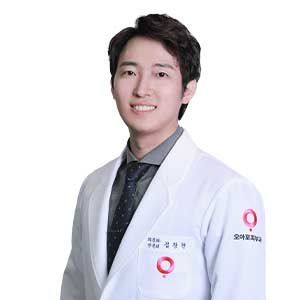
Dr. Chang-hyun Kim, M.D.
Board-certified dermatologist and Representative Director of Oaro Dermatology Clinic, Cheongdam. Full member of the Korean Dermatological Association, the Korean Society of Atopic Dermatitis, the Korean Society of Vitiligo & Pigmentation and the Korean Society of Acne & Rosacea.
FAQ
Frequently asked questions
What causes hives?
Acute hives often follow infections, foods, medicines or stings. Chronic hives usually have no external cause and are driven by spontaneous mast-cell activation, sometimes autoimmune.
How long do hives last?
Individual wheals fade within hours. Acute urticaria resolves within six weeks; chronic urticaria can last months to years but is controllable.
Should I get allergy tests for hives?
Only when the history suggests a specific trigger. Routine testing for chronic hives rarely finds a cause, and a dermatologist at Oaro Dermatology Clinic in Apgujeong will advise.
Are hives contagious?
No. Hives are an immune reaction in your own skin and cannot be passed to others.
What if antihistamines do not work?
Dose can be increased under supervision, and antihistamine-resistant chronic hives may respond to biologic therapy, which can be discussed in Seoul.
Explore related care
Related conditions and treatments
- Allergy Testing — when testing helps and when it does not
- Skin Allergy — other allergic skin reactions
- Itchy Skin — itch without wheals
- Skin Rash — distinguishing hives from other rashes
- Viral Skin Infection — infections that can trigger acute hives
- Medical Dermatology — all medical skin services
Same-week appointments
See a board-certified dermatologist in Apgujeong
Bring your questions, medication list and any photos of flare-ups. We will examine your skin, explain the diagnosis and give you a written plan. English-speaking coordinators are available for international patients and expats.