
Allergy & Sensitivity · Apgujeong, Seoul
Skin Allergy
Identify what your skin is reacting to and calm it with targeted, doctor-led treatment.
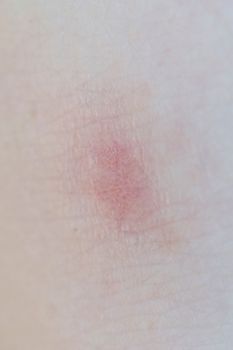
Allergy & Sensitivity · Apgujeong, Seoul
Skin Allergy
Identify what your skin is reacting to and calm it with targeted, doctor-led treatment.

Quick answer
Medical dermatology at Oaro Dermatology Clinic is led by board-certified dermatologists who diagnose first and treat second. Korean National Health Insurance may apply to covered conditions for insured residents. Meet our doctors or book a same-week appointment .
At a glance
| Procedure time | Consultation 20–30 minutes; patch testing requires three visits over one week |
|---|---|
| Anaesthesia | Not required |
| Downtime | None |
| Sessions | 1–3 visits for diagnosis; review as needed |
| Results last | Avoidance of a confirmed trigger usually prevents recurrence |
| Performed by | Board-certified dermatologist |
Overview
What is a skin allergy?
A skin allergy occurs when the immune system treats a normally harmless substance as a threat. On first exposure the body becomes sensitised; on later contact it releases histamine and other mediators that cause itching, redness, swelling or blistering. Reactions can be immediate, appearing within minutes as hives, or delayed, developing over one to three days as an eczema-like patch. Common culprits include nickel in jewellery, fragrance and preservatives in cosmetics, hair dye (PPD), latex, certain medicines, foods and insect stings.
Many visitors to Seoul first notice reactions after trying new skincare, sheet masks or hair treatments, so a careful product history is essential. You should see a dermatologist when a rash recurs without an obvious cause, when swelling affects the lips or eyelids, when a reaction follows a new medicine, or when self-care with antihistamines no longer controls symptoms. Breathing difficulty or faintness is an emergency and needs immediate hospital care rather than a clinic visit.
How skin allergy is managed at Oaro
At Oaro Dermatology Clinic in Apgujeong, a board-certified dermatologist starts by classifying the reaction: urticaria, allergic contact dermatitis, drug eruption, or an irritant reaction that merely looks allergic. The distinction matters because each has a different treatment and a different test. Where the trigger is unclear, we may recommend patch testing for delayed reactions or specific IgE blood tests for immediate ones. The active flare is settled with non-sedating antihistamines, short courses of topical or oral anti-inflammatory medication and barrier-restoring skincare. You then receive a written avoidance list, including the Korean and English names of ingredients to look for on labels, so the plan remains practical long after you leave the clinic.

Why patients choose Oaro
- Board-certified dermatologists for medical and cosmetic skin care under one roof
- Dermoscopy, allergy and scalp assessment before any prescription
- Written treatment plan, home-care guidance and follow-up
- Private rooms in Cheongdam Tower, 8 minutes from Apgujeong Rodeo Station
- English-friendly coordination for visitors and expats
Treatment goals
Common goals for skin allergy care
Name the trigger
A confirmed cause turns guesswork into a short, specific avoidance list.
Settle the current flare
Itch, swelling and redness are brought under control within days using the lightest effective medication.
Prevent the next reaction
Clear guidance on products, metals, medicines or foods to avoid reduces the chance of recurrence.
Protect the skin barrier
Repeated reactions thin and sensitise the skin; a barrier routine helps it recover its tolerance.
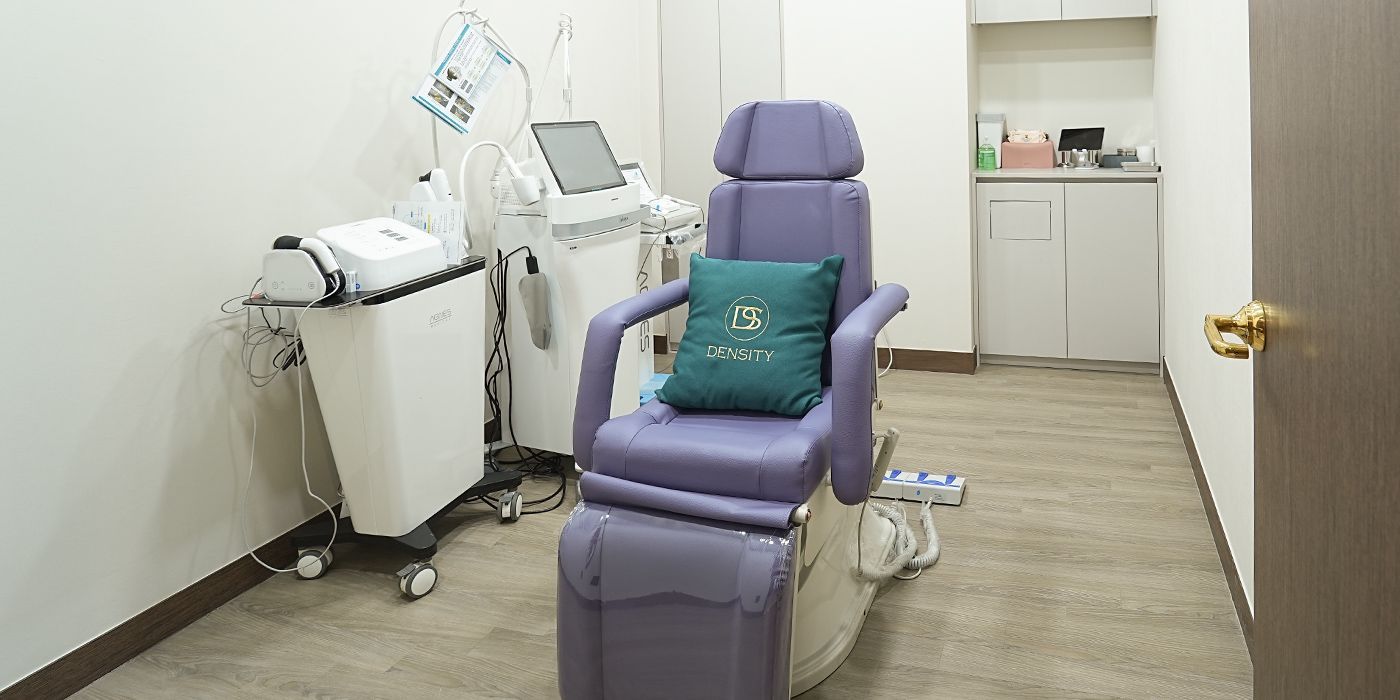
Your visit
What to expect
1. Consultation & diagnosis
Bring the products you have used and a list of any medicines. Your dermatologist maps where and when the rash appears, photographs it for the record and decides whether testing is worthwhile. Patch tests are applied to the back and read at 48 and 72–96 hours; blood tests return within a few days.
2. Treatment
Antihistamines, topical corticosteroids or calcineurin inhibitors, and occasionally a short oral course, are prescribed according to the type and extent of the reaction. At Oaro Dermatology Clinic the prescription is explained in writing, with timing and duration.
3. Aftercare & follow-up
Test results are reviewed with you, and an avoidance plan is added to your care notebook. A follow-up visit or message check confirms the skin has settled.
Cost & insurance
Skin allergy treatment cost in Seoul
For insured residents, consultation, prescription and many allergy tests are partly covered by Korean National Health Insurance when there is a medical indication. Self-pay ranges below apply to visitors and to tests requested without a covered indication.
| Option | Typical range (KRW) |
|---|---|
| Specialist consultation (self-pay) | 30,000–60,000 |
| Consultation + prescription medication | 60,000–150,000 |
| Patch test series (three visits) | 150,000–300,000 |
| Specific IgE blood panel | 100,000–250,000 |
Exact pricing is confirmed at consultation after examination.
Home care
Aftercare
- Stop any product started in the four weeks before the rash, and keep it for the consultation rather than discarding it.
- Photograph the rash daily so changes can be reviewed even after it fades.
- Introduce no new skincare for two weeks after the skin clears; add products back one at a time.
- Use cool compresses and a bland emollient for itch; avoid scratching and hot showers.
- Keep a short diary of foods, medicines and activities if hives recur, and bring it to follow-up.
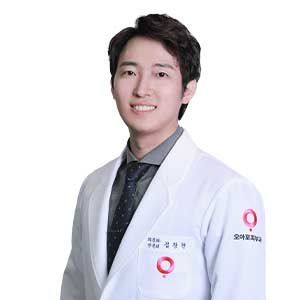
Medically reviewed by
Dr. Chang-hyun Kim, M.D.
Board-certified dermatologist and Representative Director of Oaro Dermatology Clinic, Cheongdam. Full member of the Korean Dermatological Association, the Korean Society of Atopic Dermatitis, the Korean Society of Vitiligo & Pigmentation and the Korean Society of Acne & Rosacea.
FAQ
Frequently asked questions
How do I know if it is an allergy or just irritation?
Irritation appears in anyone exposed to enough of a harsh substance, while allergy affects only sensitised people and can follow tiny exposures; a dermatologist can usually tell from the pattern and, if needed, patch testing.
How long does patch testing take?
About one week: patches go on at the first visit and are read at two later visits.
Can I react to Korean cosmetics even if my old products were fine?
Yes. New formulations may contain fragrances, preservatives or botanical extracts you have not met before.
Is it safe to take antihistamines every day?
Modern non-sedating antihistamines are generally safe for daily use over weeks to months when a dermatologist advises it.
Will the allergy ever go away?
Contact allergies tend to persist, so avoidance remains important, though reactions become rare once the trigger is known.
Explore related care
Related conditions and treatments
- Medical Dermatology — all medical skin conditions treated in Apgujeong
- Urticaria (Hives) — immediate-type reactions and chronic hives
- Contact Dermatitis — delayed reactions from things that touch the skin
- Allergy Testing — how patch and blood tests work
- Skin Rash — when the cause is not yet clear
- Contact & Booking — arrange an allergy consultation
Same-week appointments
See a board-certified dermatologist in Apgujeong
Bring your questions, medication list and any photos of flare-ups. We will examine your skin, explain the diagnosis and give you a written plan. English-speaking coordinators are available for international patients and expats.