
Allergy & Sensitivity · Apgujeong, Seoul
Skin Rash
Prompt diagnosis for unexplained rashes, from viral and allergic eruptions to medication reactions.
Allergy & Sensitivity · Apgujeong, Seoul
Skin Rash
Prompt diagnosis for unexplained rashes, from viral and allergic eruptions to medication reactions.

Quick answer
Medical dermatology at Oaro Dermatology Clinic is led by board-certified dermatologists who diagnose first and treat second. Korean National Health Insurance may apply to covered conditions for insured residents. Meet our doctors or book a same-week appointment .
At a glance
| Procedure time | Consultation 15–30 minutes |
|---|---|
| Anaesthesia | Not required (local anaesthetic only if a biopsy is taken) |
| Downtime | None |
| Sessions | Usually 1–2 visits |
| Results last | Depends on the cause; most acute rashes resolve within 1–3 weeks of treatment |
| Performed by | Board-certified dermatologist |
Overview
What is a skin rash?
"Rash" is a description rather than a diagnosis. It covers red patches, bumps, blisters, scaling, hives and discoloured areas, and the list of possible causes is long: viral infections such as hand-foot-and-mouth or pityriasis rosea, bacterial and fungal infections, allergic reactions, drug eruptions, heat rash, insect bites, and inflammatory conditions such as eczema and psoriasis. Travel adds its own variables, including new foods, climate, bedding and skincare.
Some features deserve a prompt dermatology visit: a rash that spreads quickly, blisters or peels, affects the mouth or eyes, is painful rather than itchy, follows a new medicine, or comes with fever, joint pain or feeling unwell. Rashes that have lasted more than two weeks, keep returning, or leave marks behind also benefit from a specialist opinion. Seek emergency care immediately for rash with breathing difficulty, facial swelling or purple non-blanching spots.
How a rash is diagnosed at Oaro
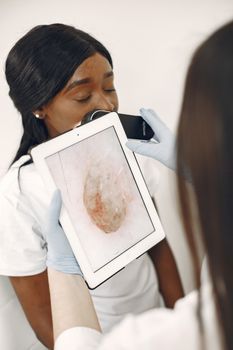
At Oaro Dermatology Clinic in Apgujeong, Seoul, a board-certified dermatologist starts with the story: when it began, where it started, how it spread, and what changed in the days before. Examination under good light and dermoscopy often gives the answer. When it does not, in-clinic tests are quick: a potassium hydroxide scraping for fungus, a swab for bacteria, a Tzanck or PCR test for viral infections, blood tests, or a small skin biopsy under local anaesthetic. Treatment then targets the cause, whether antiviral or antifungal medication, antihistamines for hives, or anti-inflammatory therapy for eczema-type eruptions. If an allergic cause is likely, the visit links naturally to skin allergy evaluation. You leave with a named diagnosis where possible, a written plan and clear advice on what to watch for.

Why patients choose Oaro
- Board-certified dermatologists for medical and cosmetic skin care under one roof
- Dermoscopy, allergy and scalp assessment before any prescription
- Written treatment plan, home-care guidance and follow-up
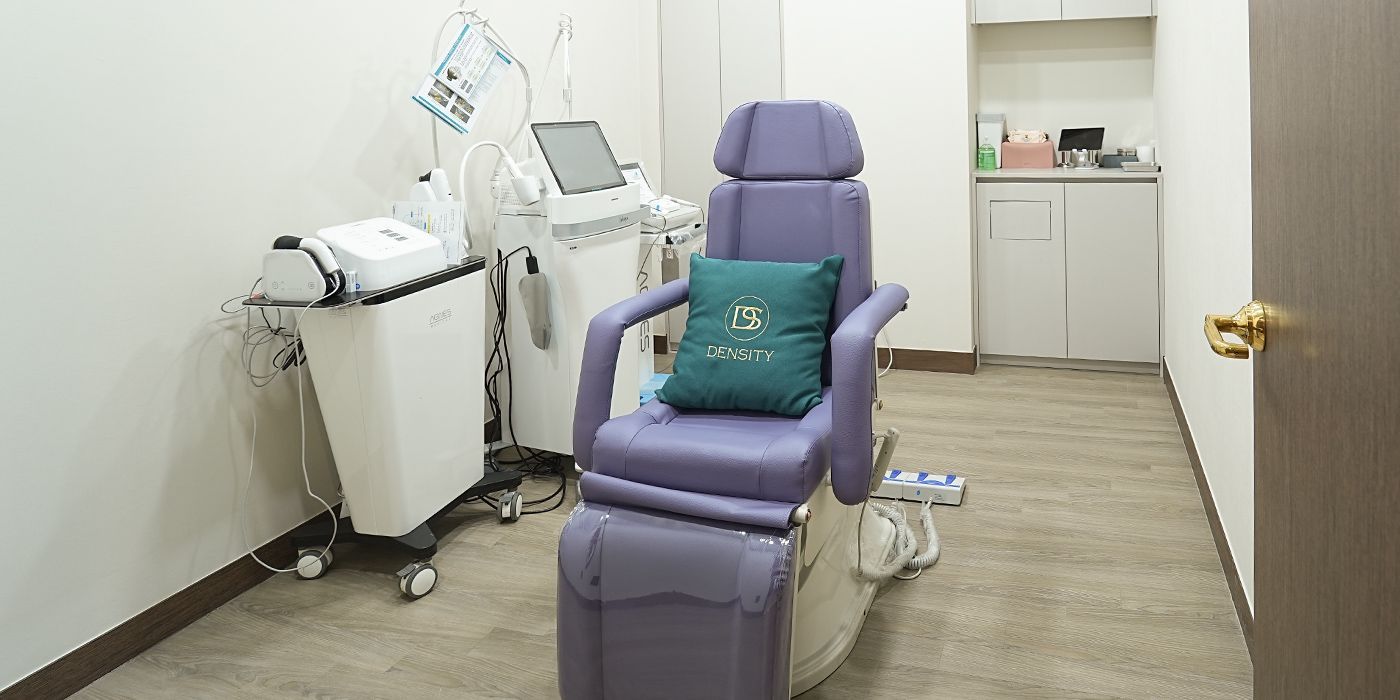
- Private rooms in Cheongdam Tower, 8 minutes from Apgujeong Rodeo Station
- English-friendly coordination for visitors and expats
Treatment goals
Common goals for skin rash care
A clear diagnosis
Knowing what the rash is turns worry into a plan and avoids treating the wrong thing.
Fast relief
Itch, burning and discomfort are addressed from the first visit with targeted medication.
Rule out the serious
Infections, drug reactions and systemic illness are identified early so they can be managed appropriately.
Prevent marks and recurrence
Prompt treatment reduces the chance of scarring or post-inflammatory pigmentation and identifies triggers to avoid.
Your visit
What to expect
1. Consultation & diagnosis
Please bring a list of medicines, supplements and new products, and photographs of the rash at its earliest stage if you have them. Your dermatologist examines the whole skin surface where relevant, uses dermoscopy and performs any same-day tests needed.
2. Treatment
Treatment matches the diagnosis: antivirals, antibiotics or antifungals for infections; antihistamines, topical or short oral anti-inflammatory courses for allergic and eczematous rashes; and supportive care for self-limiting viral eruptions. At Oaro Dermatology Clinic the plan is written in English and explained before you leave.
3. Aftercare & follow-up
Test results are shared by message or at a review visit. If a biopsy was taken, sutures are removed after about a week and the result discussed with you.
Cost & insurance
Skin rash consultation cost in Seoul
Evaluation of a rash is medical care, and Korean National Health Insurance typically covers the consultation, in-clinic tests and prescriptions for insured residents. Visitors pay self-pay rates; receipts are itemised for insurance claims at home.
| Option | Typical range (KRW) |
|---|---|
| Specialist consultation (self-pay) | 30,000–60,000 |
| Consultation + prescription | 60,000–150,000 |
| KOH scraping, swab or PCR test | 10,000–80,000 |
| Skin biopsy with histology | 150,000–300,000 |
Exact pricing is confirmed at consultation after examination.
Home care
Aftercare
- Take or apply medication exactly as prescribed, even if the rash fades early.
- Keep the skin cool and moisturised; avoid hot baths, saunas and tight synthetic clothing until it settles.
- Do not apply unprescribed creams, essential oils or traditional remedies that may confuse the picture.
- Photograph the rash every day or two so progress can be judged at follow-up.
- Return promptly if fever develops, blisters spread, or the rash becomes painful.
Medically reviewed by
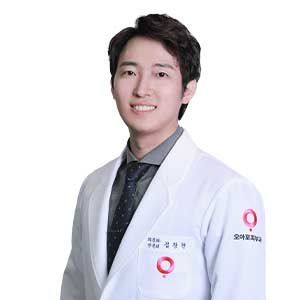
Dr. Chang-hyun Kim, M.D.
Board-certified dermatologist and Representative Director of Oaro Dermatology Clinic, Cheongdam. Full member of the Korean Dermatological Association, the Korean Society of Atopic Dermatitis, the Korean Society of Vitiligo & Pigmentation and the Korean Society of Acne & Rosacea.
FAQ
Frequently asked questions
Should I see a dermatologist or a general doctor for a rash?
A dermatologist can usually diagnose a rash on sight or with a same-day test, which shortens the path to the right treatment.
Can a rash be caused by medication?
Yes. Drug eruptions typically start one to three weeks after a new medicine; tell your dermatologist about every tablet and supplement.
Is my rash contagious?
Some viral, bacterial and fungal rashes are; most allergic and eczematous rashes are not. Your dermatologist will tell you once the cause is known.
Why do I get rashes when I travel?
New climate, humidity, bedding, foods and skincare, plus sun and insects, all raise the chance of a reaction.
Will the rash leave marks?
Some inflammatory rashes leave temporary pigmentation, especially on darker skin; early treatment reduces this risk.
Explore related care
Related conditions and treatments
- Medical Dermatology — every skin condition treated at Oaro in Apgujeong
- Urticaria (Hives) — raised, itchy wheals that move around
- Viral Skin Infection — rashes caused by viruses
- Skin Allergy — allergic causes of rash
- Itchy Skin — itch with little visible change
- Contact & Booking — book a same-week consultation
Same-week appointments
See a board-certified dermatologist in Apgujeong
Bring your questions, medication list and any photos of flare-ups. We will examine your skin, explain the diagnosis and give you a written plan. English-speaking coordinators are available for international patients and expats.