
Allergy & Sensitivity · Apgujeong, Seoul
Hand Eczema
Relief for cracked, itchy hands with barrier repair, prescription therapy and trigger control.
Allergy & Sensitivity · Apgujeong, Seoul
Hand Eczema
Relief for cracked, itchy hands with barrier repair, prescription therapy and trigger control.

Quick answer
Medical dermatology at Oaro Dermatology Clinic is led by board-certified dermatologists who diagnose first and treat second. Korean National Health Insurance may apply to covered conditions for insured residents. Meet our doctors or book a same-week appointment .
At a glance
| Procedure time | Consultation 20–30 minutes |
|---|---|
| Anaesthesia | Not required |
| Downtime | None |
| Sessions | Review every 4–8 weeks until controlled |
| Results last | Often chronic; control is maintained with protection and maintenance care |
| Performed by | Board-certified dermatologist |
Overview
What is hand eczema?
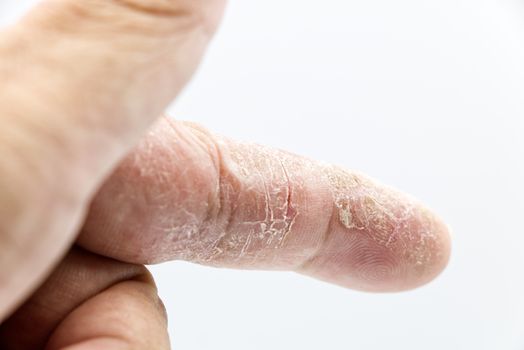
Hand eczema is a group of inflammatory conditions affecting the palms, fingers and backs of the hands. It shows as dryness, redness, scaling, painful fissures and, in the dyshidrotic form, crops of tiny itchy blisters along the sides of the fingers. Nurses, hairdressers, chefs, cleaners, parents of young children and anyone who washes their hands many times a day are especially prone, because repeated water and detergent exposure slowly dissolves the barrier. An atopic background, nickel or preservative allergy, cold dry winters and frequent sanitiser use all add to the risk.
Left untreated, hand eczema tends to become chronic, with thickened skin that cracks and bleeds. You should see a dermatologist if symptoms have lasted more than two to three weeks, if fissures are painful, if blisters keep recurring, if the nails become ridged, or if you suspect your job is the cause and need documentation.
How hand eczema is treated at Oaro
At Oaro Dermatology Clinic in Apgujeong, Seoul, a board-certified dermatologist first identifies the subtype: irritant, allergic, atopic, dyshidrotic or hyperkeratotic, since each responds to a slightly different approach. A potassium hydroxide scraping rules out fungal infection, which can look identical on one hand, and dermoscopy helps separate eczema from palmar psoriasis. If an allergen is suspected, patch testing is arranged. Treatment combines a strict protection routine, barrier-repair emollients and a potent topical corticosteroid or calcineurin inhibitor in a short, structured course. For chronic severe disease that fails topical therapy, options such as phototherapy, oral alitretinoin or other systemic agents may be considered with appropriate monitoring. Patients with an underlying atopic dermatitis tendency receive a longer-term maintenance plan recorded in the care notebook.
Why patients choose Oaro
- Board-certified dermatologists for medical and cosmetic skin care under one roof
- Dermoscopy, allergy and scalp assessment before any prescription
- Written treatment plan, home-care guidance and follow-up
- Private rooms in Cheongdam Tower, 8 minutes from Apgujeong Rodeo Station
- English-friendly coordination for visitors and expats
Treatment goals
Common goals for hand eczema care
Heal fissures and stop pain
Closing cracks quickly restores function and lowers the risk of infection.
Control itch and blisters
Targeted anti-inflammatory therapy settles active flares within a few weeks.
Identify and limit triggers
Glove routines, cleanser changes and patch-test results reduce the exposures that keep the condition going.
Keep hands working
A realistic protection plan is designed around your job and daily tasks rather than against them.
Your visit
What to expect
1. Consultation & diagnosis
Your dermatologist asks about work, hobbies, hand-washing frequency and previous creams, then examines both hands and the feet, where related changes often appear. A fungal scraping, dermoscopy or patch testing may follow.
2. Treatment
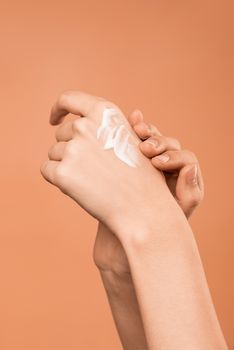
You receive a written routine: a gentle cleanser, a thick emollient for daytime, an occlusive ointment at night under cotton gloves, and a prescription anti-inflammatory used in a defined course. Infected fissures are treated with topical or oral antibiotics. At Oaro Dermatology Clinic the plan is adjusted to your occupation.
3. Aftercare & follow-up
Review after four to eight weeks checks progress; maintenance therapy and glove advice are refined so that improvement lasts.
Cost & insurance
Hand eczema treatment cost in Seoul
Hand eczema is a medical diagnosis, so consultation, tests and prescriptions are typically covered by Korean National Health Insurance for insured residents. International visitors pay the self-pay rates below and receive itemised receipts.
| Option | Typical range (KRW) |
|---|---|
| Specialist consultation (self-pay) | 30,000–60,000 |
| Consultation + prescription topicals | 60,000–150,000 |
| Patch test series | 150,000–300,000 |
| Hand phototherapy, per session | 30,000–70,000 |
Exact pricing is confirmed at consultation after examination.
Home care
Aftercare
- Wash with lukewarm water and a soap-free cleanser; pat dry, including between the fingers.
- Apply emollient after every wash and keep a tube at work and in your bag.
- Wear cotton liners under waterproof gloves for wet work and remove them after 20 minutes to avoid sweating.
- Remove rings before washing and avoid alcohol sanitiser on cracked skin when soap and water are available.
- Use the prescribed anti-inflammatory for the full course, then switch to the maintenance schedule in your care notebook.
Medically reviewed by
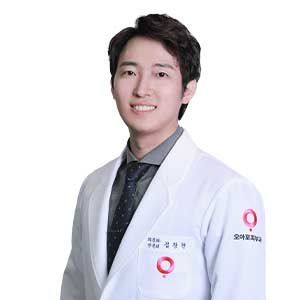
Dr. Chang-hyun Kim, M.D.
Board-certified dermatologist and Representative Director of Oaro Dermatology Clinic, Cheongdam. Full member of the Korean Dermatological Association, the Korean Society of Atopic Dermatitis, the Korean Society of Vitiligo & Pigmentation and the Korean Society of Acne & Rosacea.
FAQ
Frequently asked questions
Is hand eczema the same as atopic dermatitis?
Not always. Many cases are purely irritant or allergic, though people with atopic dermatitis are more likely to develop it.
Why do only my fingers blister?
Side-of-finger blisters are typical of dyshidrotic eczema, which is often triggered by sweating, stress, nickel or an atopic tendency.
Could it be a fungal infection instead?
Possibly, especially if one hand is affected and the feet are involved; a quick scraping in clinic settles the question.
Which gloves should I use?
Nitrile or vinyl gloves with cotton liners for wet work, and cotton gloves overnight with ointment.
How long does treatment take?
Acute flares often settle within two to four weeks; chronic hand eczema needs ongoing protection to stay controlled.
Explore related care
Related conditions and treatments
- Medical Dermatology — all medical skin conditions treated in Apgujeong
- Atopic Dermatitis — the constitutional eczema that often underlies hand eczema
- Contact Dermatitis — irritant and allergic causes
- Allergy Testing — patch testing for suspected allergens
- Fungal Skin Infection — a common mimic of one-sided hand eczema
- Contact & Booking — arrange a consultation
Same-week appointments
See a board-certified dermatologist in Apgujeong
Bring your questions, medication list and any photos of flare-ups. We will examine your skin, explain the diagnosis and give you a written plan. English-speaking coordinators are available for international patients and expats.