
General Dermatology · Apgujeong, Seoul
Psoriasis
Evidence-based psoriasis care from topical therapy and phototherapy to biologic treatment.
General Dermatology · Apgujeong, Seoul
Psoriasis
Evidence-based psoriasis care from topical therapy and phototherapy to biologic treatment.

Quick answer
Medical dermatology at Oaro Dermatology Clinic is led by board-certified dermatologists who diagnose first and treat second. Korean National Health Insurance may apply to covered conditions for insured residents. Meet our doctors or book a same-week appointment .
At a glance
| Procedure time | Consultation 20–30 minutes; phototherapy 5–10 minutes |
|---|---|
| Anaesthesia | Not required |
| Downtime | None |
| Sessions | Phototherapy 2–3 times weekly; medication reviews every 4–12 weeks |
| Results last | Chronic condition; remissions are maintained with ongoing care |
| Performed by | Board-certified dermatologist |
Overview
What is psoriasis?
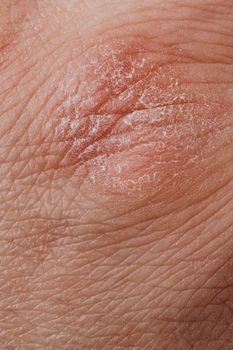
Psoriasis affects roughly two to three per cent of people. An overactive immune signal (involving TNF, IL-17 and IL-23 pathways) tells skin cells to turn over in days rather than weeks, producing raised red or pink plaques with silvery scale. Plaque psoriasis is the most common form; others include guttate psoriasis after a throat infection, scalp psoriasis, nail pitting and thickening, inverse psoriasis in skin folds, and palm-and-sole disease. Around a third of patients develop psoriatic arthritis, and the condition is linked with metabolic and cardiovascular risk, so it deserves whole-person care. Triggers include infections, stress, skin injury, alcohol, smoking and certain medicines such as beta-blockers and lithium.
You should see a dermatologist when scaly patches persist for more than a few weeks, when the scalp or nails are involved, when joints are stiff or swollen in the morning, or when plaques are affecting sleep, work or confidence. Sudden widespread redness or pustules needs urgent assessment.
How psoriasis is treated at Oaro
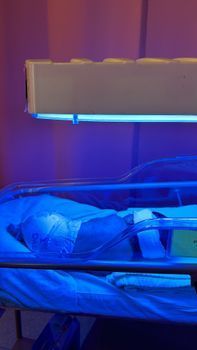
At Oaro Dermatology Clinic in Apgujeong, Seoul, a board-certified dermatologist confirms the diagnosis clinically and with dermoscopy, distinguishing it from seborrhoeic dermatitis, eczema and fungal infection, and screens for joint symptoms. Severity is scored so that treatment can be matched to it. Limited disease is treated with vitamin D analogue and corticosteroid combinations, tar or calcineurin inhibitors for folds and face, and medicated scalp preparations. Moderate disease often responds to narrowband UVB phototherapy or targeted excimer laser. For extensive or disabling disease, systemic options such as methotrexate, cyclosporine, acitretin or oral small-molecule drugs are considered, and biologic injections are discussed for those who meet the criteria, with blood-test monitoring throughout. Nail and nail-disorder involvement and palm disease, which can resemble hand eczema, receive specific plans. The written strategy is kept in your care notebook and adjusted at each review.
Why patients choose Oaro
- Board-certified dermatologists for medical and cosmetic skin care under one roof
- Dermoscopy, allergy and scalp assessment before any prescription
- Written treatment plan, home-care guidance and follow-up
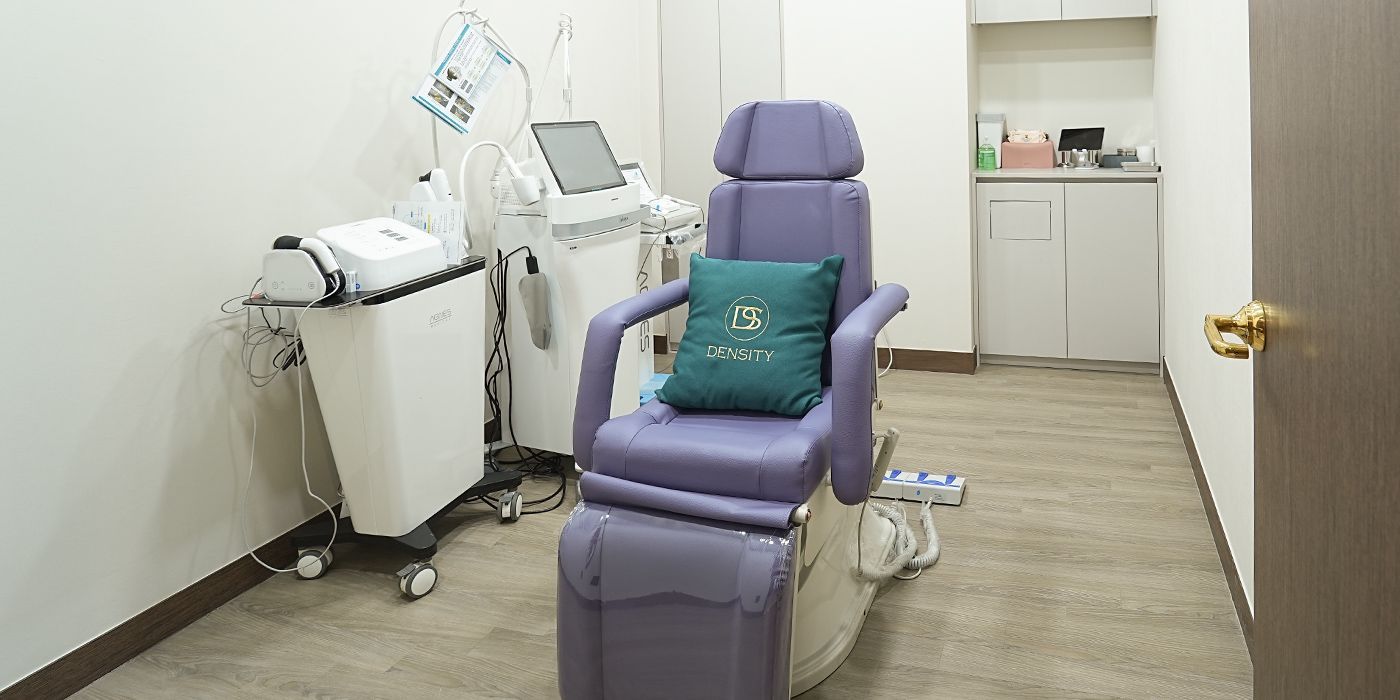
- Private rooms in Cheongdam Tower, 8 minutes from Apgujeong Rodeo Station
- English-friendly coordination for visitors and expats
Treatment goals
Common goals for psoriasis care
Clear or nearly clear skin
Modern therapies make substantial clearance a realistic target for most patients.
Relieve itch, scale and cracking
Early symptom control improves sleep and daily comfort.
Protect the joints
Screening for psoriatic arthritis allows timely treatment that can prevent joint damage.
Sustain remission safely
Treatment is stepped up or down with monitoring so you use the least medication that keeps you clear.
Your visit
What to expect
1. Consultation & diagnosis
Your dermatologist reviews family history, triggers, joint symptoms and medications, examines the skin, scalp and nails with dermoscopy, and records severity and photographs. Blood tests are taken before any systemic treatment.
2. Treatment
A written stepwise plan is started: topical therapy first, with phototherapy at Oaro Dermatology Clinic two to three times weekly if needed. Systemic or biologic therapy is introduced for moderate to severe disease, with a monitoring schedule and vaccination or screening checks explained in advance.
3. Aftercare & follow-up
Reviews every four to twelve weeks measure response. Maintenance therapy, trigger management and a plan for flares are documented so that control continues between visits.
Cost & insurance
Psoriasis treatment cost in Seoul
Psoriasis is a chronic medical condition. For insured residents, Korean National Health Insurance typically covers consultation, prescriptions and phototherapy, and biologic therapy is covered when national severity criteria are met. Visitors pay self-pay rates and receive itemised receipts.
| Option | Typical range (KRW) |
|---|---|
| Specialist consultation (self-pay) | 30,000–60,000 |
| Consultation + prescription topicals | 60,000–150,000 |
| Narrowband UVB phototherapy, per session | 30,000–80,000 |
| Biologic therapy (self-pay) | Quoted after eligibility review |
Exact pricing is confirmed at consultation after examination.
Home care
Aftercare
- Moisturise plaques twice daily; softened scale lets topical medicines penetrate.
- Apply prescribed combinations as scheduled and taper only as your dermatologist advises.
- Avoid scratching or picking scale, which can trigger new plaques at the site.
- Limit alcohol and smoking, manage weight and sleep, and treat throat infections promptly.
- Report new joint pain, stiffness or swelling at any time, not just at scheduled reviews.
Medically reviewed by
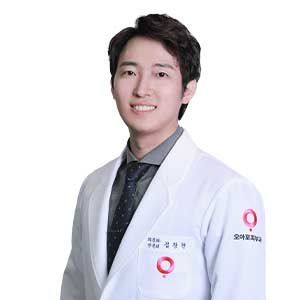
Dr. Chang-hyun Kim, M.D.
Board-certified dermatologist and Representative Director of Oaro Dermatology Clinic, Cheongdam. Full member of the Korean Dermatological Association, the Korean Society of Atopic Dermatitis, the Korean Society of Vitiligo & Pigmentation and the Korean Society of Acne & Rosacea.
FAQ
Frequently asked questions
Is psoriasis contagious?
No. It is an immune-mediated condition and cannot be passed to others.
Can psoriasis be cured?
Not yet, but long remissions are achievable with the right treatment step and maintenance plan.
What is the difference between psoriasis and eczema?
Psoriasis forms thick, sharply bordered plaques with silvery scale, while eczema is usually less defined, more weepy and itchier; a dermatologist can usually tell them apart on examination.
Do I need blood tests?
Only for systemic or biologic medicines, which require baseline and periodic monitoring.
Can visitors to Seoul get psoriasis treatment?
Yes. Consultation, prescriptions and phototherapy courses can be arranged, and a written summary is provided for your dermatologist at home.
Explore related care
Related conditions and treatments
- Medical Dermatology — the hub for skin conditions treated at Oaro
- Seborrheic Dermatitis — a common scalp and face look-alike
- Nail Disorders — pitting and thickening linked to psoriasis
- Hand Eczema — the main differential on the palms
- Dandruff — when scalp scale is the first sign
- Contact & Booking — book a consultation in Apgujeong
Same-week appointments
See a board-certified dermatologist in Apgujeong
Bring your questions, medication list and any photos of flare-ups. We will examine your skin, explain the diagnosis and give you a written plan. English-speaking coordinators are available for international patients and expats.