
Hair & Scalp · Apgujeong, Seoul
Seborrheic Dermatitis
Red, flaky, greasy skin on the scalp and face brought under control with dermatologist-led treatment.

Hair & Scalp · Apgujeong, Seoul
Seborrheic Dermatitis
Red, flaky, greasy skin on the scalp and face brought under control with dermatologist-led treatment.
Quick answer
Medical dermatology at Oaro Dermatology Clinic is led by board-certified dermatologists who diagnose first and treat second. Korean National Health Insurance may apply to covered conditions for insured residents. Meet our doctors or book a same-week appointment .
At a glance
| Procedure time | Consultation 20–30 minutes; light or laser sessions 15–20 minutes |
|---|---|
| Anaesthesia | None |
| Downtime | None |
| Sessions | Home regimen with reviews every 4–8 weeks during flares |
| Results last | Controlled with maintenance; the condition is chronic |
| Performed by | Board-certified dermatologist |
Overview
What is seborrheic dermatitis?
Seborrheic dermatitis is a common, chronic form of eczema that favours oil-rich areas: the scalp, hairline, eyebrows, eyelids, creases beside the nose, ears, beard and central chest. It appears as pink or red patches covered with greasy yellow or white scale, often itchy and sometimes sore. On the scalp it is the inflamed counterpart of dandruff; in infants it is known as cradle cap. The cause is an exaggerated inflammatory response to Malassezia yeast and its by-products in people whose skin is predisposed. Flares are common in winter, with stress, fatigue, illness and in people with certain neurological conditions or weakened immunity.
Because it waxes and wanes, people often manage it for years with cosmetic cover-ups. Seeing a dermatologist is worthwhile when facial redness is persistent, scaling is thick, the eyelids are affected, treatments bought over the counter are not helping, or the diagnosis is uncertain, since psoriasis, fungal infection, rosacea and contact dermatitis can look similar and need different treatment.
How seborrheic dermatitis is treated at Oaro
At Oaro Dermatology Clinic in Apgujeong, Seoul, a board-certified dermatologist examines the affected sites, checks the scalp and ears with a dermoscope and, if needed, takes a scraping to exclude fungus. Treatment combines a topical antifungal such as ketoconazole or ciclopirox with a short course of a mild topical corticosteroid or a non-steroid anti-inflammatory such as a calcineurin inhibitor for the face and eyelids. Medicated shampoos treat the scalp, and gentle, non-comedogenic skincare replaces products that strip or irritate. For stubborn background redness on the face, the clinic may add vascular laser or IPL sessions. Written aftercare and a care notebook help you recognise early flares. See the medical dermatology hub or book a consultation.
Why patients choose Oaro
- Board-certified dermatologists for medical and cosmetic skin care under one roof
- Dermoscopy, allergy and scalp assessment before any prescription
- Written treatment plan, home-care guidance and follow-up
- Private rooms in Cheongdam Tower, 8 minutes from Apgujeong Rodeo Station
- English-friendly coordination for visitors and expats
Treatment goals
Common goals for seborrheic dermatitis treatment
Settle the active flare
Antifungal and anti-inflammatory treatment usually reduces redness and scale within one to three weeks.
Reduce visible facial redness
Steroid-sparing creams and, where appropriate, vascular laser help the face look calmer between flares.
Prevent recurrence
A maintenance antifungal routine and the right cleansers lengthen the gap between episodes.
Protect sensitive sites
Eyelids and facial folds are treated with gentle, steroid-sparing options to avoid thinning the skin.
Your visit
What to expect
1. Consultation & diagnosis
Your dermatologist examines the scalp, face, ears and chest, uses a dermoscope to look at scale and vessels, and asks about skincare, stress, sleep and health. A fungal scraping or patch testing is arranged if another diagnosis is possible.
2. Treatment
You receive a tailored prescription: antifungal shampoo for the scalp, antifungal cream for the face, and a short course of anti-inflammatory cream for red, itchy patches, with steroid-free options for the eyelids and folds. Skincare is simplified to a gentle cleanser, light moisturiser and daily sunscreen. If facial redness persists after inflammation settles, vascular laser or IPL sessions may be scheduled.
3. Aftercare & follow-up
Written instructions explain how to step down from treatment to maintenance. A review at four to six weeks checks response and sets the long-term plan, with further visits during flares.
Cost & insurance
Seborrheic dermatitis treatment cost in Seoul
Seborrheic dermatitis is a medical skin condition, so insured residents typically have part of the consultation and prescription treatment covered by Korean National Health Insurance, paying a co-payment. Laser or light sessions for residual redness are self-pay. International visitors pay self-pay rates and receive itemised receipts.
| Option | Typical range (KRW) |
|---|---|
| Consultation and examination (self-pay) | 30,000 – 80,000 |
| Prescription creams and shampoo (pharmacy) | 15,000 – 60,000 |
| Vascular laser or IPL for facial redness, per session | 150,000 – 350,000 |
Exact pricing is confirmed at consultation after examination.
Home care
Aftercare
- Use antifungal shampoo two to three times weekly, leaving it on the scalp for several minutes.
- Apply facial creams thinly and only for the duration your dermatologist specifies.
- Choose a gentle, fragrance-free cleanser and light moisturiser; avoid scrubs and alcohol toners.
- Wear daily broad-spectrum sunscreen, especially after laser sessions.
- Begin maintenance treatment at the first sign of flaking rather than waiting for a full flare.
Medically reviewed by
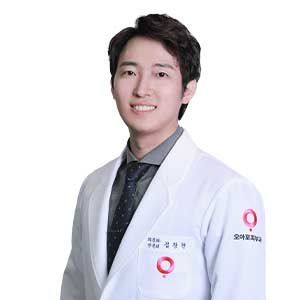
Dr. Chang-hyun Kim, M.D.
Board-certified dermatologist and Representative Director of Oaro Dermatology Clinic, Cheongdam. Full member of the Korean Dermatological Association, the Korean Society of Atopic Dermatitis, the Korean Society of Vitiligo & Pigmentation and the Korean Society of Acne & Rosacea.
FAQ
Frequently asked questions
Is seborrheic dermatitis contagious?
No. It is an inflammatory reaction to yeast that lives on everyone's skin and cannot be passed to others.
Can seborrheic dermatitis be cured?
It is a chronic condition that is controlled rather than cured. With the right routine most people keep it quiet for long periods.
What is the difference between seborrheic dermatitis and psoriasis?
Psoriasis produces thicker, silvery scale with sharper edges and often affects elbows, knees and nails. A dermatologist can distinguish them, sometimes with a biopsy.
Does diet affect seborrheic dermatitis?
Evidence is limited. Some people notice flares with alcohol, sugar or high-fat foods, but stress, climate and skincare are more consistent triggers.
Can laser help seborrheic dermatitis redness?
Once inflammation is controlled, vascular laser or IPL at Oaro Dermatology Clinic in Apgujeong may reduce persistent background redness.
Explore related care
Related conditions and treatments
- Dandruff — the milder scalp form
- Rosacea Treatment — another cause of facial redness that can coexist
- Fungal Skin Infection — ringworm can mimic seborrheic patches
- Redness Treatment — laser options for residual redness
- Itchy Skin — when itch is the main complaint
- Medical Dermatology — all medical skin and scalp services
Same-week appointments
See a board-certified dermatologist in Apgujeong
Bring your questions, medication list and any photos of flare-ups. We will examine your skin, explain the diagnosis and give you a written plan. English-speaking coordinators are available for international patients and expats.