
Hair & Scalp · Apgujeong, Seoul
Dandruff
Persistent flaking and itch assessed by a dermatologist, with medicated scalp care that fits your scalp.

Hair & Scalp · Apgujeong, Seoul
Dandruff
Persistent flaking and itch assessed by a dermatologist, with medicated scalp care that fits your scalp.

Quick answer
Medical dermatology at Oaro Dermatology Clinic is led by board-certified dermatologists who diagnose first and treat second. Korean National Health Insurance may apply to covered conditions for insured residents. Meet our doctors or book a same-week appointment .
At a glance
| Procedure time | Consultation and scalp examination 15–25 minutes |
|---|---|
| Anaesthesia | Not applicable |
| Downtime | None |
| Sessions | Home regimen; review after 4–6 weeks |
| Results last | Controlled with maintenance; dandruff tends to recur |
| Performed by | Board-certified dermatologist |
Overview
What is dandruff?
Dandruff is the common name for fine, white or greyish flakes shed from the scalp, often with itch. It sits at the mild end of a spectrum that includes seborrheic dermatitis, where the scalp also becomes red, greasy and inflamed. Three factors usually combine: naturally oily skin, a lipid-loving yeast called Malassezia that lives on everyone's scalp, and an individual sensitivity to the by-products it produces. Dry weather, infrequent washing, product build-up, stress and illness may all make flaking worse.
Most dandruff responds to over-the-counter anti-dandruff shampoo. It is worth seeing a dermatologist when flakes are thick, yellow or stuck to the scalp, when there is redness, soreness or weeping, when flaking spreads to the eyebrows, ears or face, when it persists despite four to six weeks of proper shampoo use, or when hair is shedding. These signs may indicate seborrheic dermatitis, scalp psoriasis, a fungal infection or contact allergy to a hair product, each of which is treated differently.
How dandruff is treated at Oaro
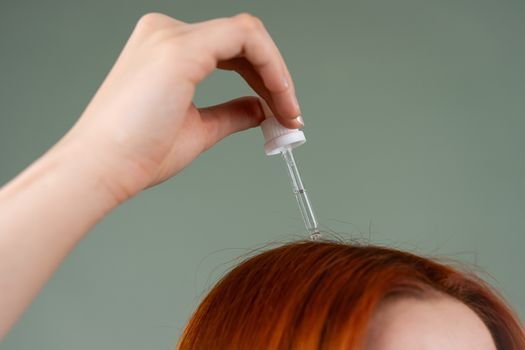
At Oaro Dermatology Clinic in Apgujeong, Seoul, a board-certified dermatologist examines the scalp with a dermoscope to distinguish simple dandruff from inflammatory or infective conditions. You are asked about your washing routine, products, diet and stress. Treatment usually begins with a prescription-strength antifungal shampoo such as ketoconazole or ciclopirox, sometimes alternated with zinc pyrithione, selenium sulphide or salicylic-acid preparations, and a short course of a mild topical anti-inflammatory where the scalp is irritated. Clear instructions on contact time and frequency make the difference between shampoo that works and shampoo that does not. Explore other scalp conditions on the medical dermatology hub or book a consultation.
Why patients choose Oaro
- Board-certified dermatologists for medical and cosmetic skin care under one roof
- Dermoscopy, allergy and scalp assessment before any prescription
- Written treatment plan, home-care guidance and follow-up
- Private rooms in Cheongdam Tower, 8 minutes from Apgujeong Rodeo Station
- English-friendly coordination for visitors and expats
Treatment goals
Common goals for dandruff treatment
Clear visible flakes
Reducing yeast and normalising cell turnover usually clears flaking within two to four weeks.
Calm itch and irritation
A settled scalp stops the scratch-flake cycle that keeps dandruff going.
Exclude other diagnoses
Examination ensures psoriasis, fungal infection or allergy are not being treated as ordinary dandruff.
Build a maintenance routine
Because dandruff recurs, a simple weekly plan keeps the scalp balanced between flare-ups.
Your visit
What to expect
1. Consultation & diagnosis
Your dermatologist inspects the scalp, hairline, ears and eyebrows, and uses a dermoscope to assess scale, redness and follicle health. Occasionally a skin scraping is taken to exclude fungal infection or a patch test is suggested if a product allergy is suspected.
2. Treatment
You receive a medicated shampoo plan, typically two to three times weekly with the lather left on for several minutes, alternated with a gentle cleanser. Where the scalp is inflamed, a short course of a topical corticosteroid lotion or a non-steroid anti-inflammatory is prescribed. Hair-care habits, styling products and washing frequency are adjusted. In-clinic scalp cleansing or scaling treatments may be offered for heavy build-up.
3. Aftercare & follow-up
Written instructions explain how to taper to maintenance. A review at four to six weeks confirms the scalp has settled and refines the routine; persistent cases are re-examined for alternative diagnoses.
Cost & insurance
Dandruff treatment cost in Seoul
When dandruff is assessed and treated as a scalp condition such as seborrheic dermatitis, insured residents typically have part of the consultation and prescription covered by Korean National Health Insurance. International visitors pay self-pay rates. Medicated shampoos are purchased at a pharmacy.
| Option | Typical range (KRW) |
|---|---|
| Consultation and scalp examination (self-pay) | 30,000 – 70,000 |
| Prescription shampoo and topical treatment (pharmacy) | 15,000 – 50,000 |
| In-clinic scalp cleansing treatment (optional) | 50,000 – 150,000 |
Exact pricing is confirmed at consultation after examination.
Home care
Aftercare
- Leave medicated shampoo on the scalp for 3–5 minutes before rinsing, as directed.
- Wash regularly; letting oil build up tends to worsen flaking.
- Rinse styling products out thoroughly and avoid heavy oils on the scalp.
- Do not scratch or pick at flakes; this inflames the scalp.
- Keep a maintenance wash once weekly after the scalp has cleared.
Medically reviewed by
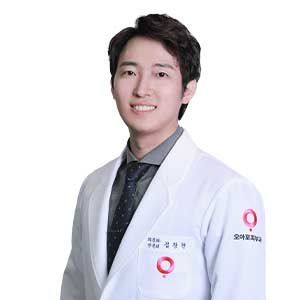
Dr. Chang-hyun Kim, M.D.
Board-certified dermatologist and Representative Director of Oaro Dermatology Clinic, Cheongdam. Full member of the Korean Dermatological Association, the Korean Society of Atopic Dermatitis, the Korean Society of Vitiligo & Pigmentation and the Korean Society of Acne & Rosacea.
FAQ
Frequently asked questions
What causes dandruff?
Dandruff results from oily skin, Malassezia yeast and individual sensitivity to it. It is not caused by poor hygiene, though infrequent washing can worsen it.
Is dandruff the same as seborrheic dermatitis?
Dandruff is the mild form without redness. Seborrheic dermatitis adds inflammation, greasy yellow scale and may affect the face. A dermatologist can tell them apart.
Can dandruff cause hair loss?
Dandruff itself does not usually cause lasting loss, but scratching and scalp inflammation can increase shedding until the scalp is treated.
Why does my dandruff come back?
The yeast and oil that drive dandruff are always present, so most people need an ongoing maintenance wash rather than a one-off cure.
When should I see a dermatologist for dandruff?
If flakes persist after six weeks of anti-dandruff shampoo, or the scalp is red, sore or weeping, a visit to Oaro Dermatology Clinic in Apgujeong is sensible.
Explore related care
Related conditions and treatments
- Seborrheic Dermatitis — the inflamed form of dandruff
- Fungal Skin Infection — scalp ringworm can look like dandruff
- Itchy Skin — when itch extends beyond the scalp
- Male Hair Loss — scalp health supports hair treatment
- Medical Dermatology — all medical skin and scalp services
Same-week appointments
See a board-certified dermatologist in Apgujeong
Bring your questions, medication list and any photos of flare-ups. We will examine your skin, explain the diagnosis and give you a written plan. English-speaking coordinators are available for international patients and expats.