
Skin Infections · Apgujeong, Seoul
Shingles
Early antiviral treatment and pain management for shingles, with care to reduce lasting nerve pain.

Skin Infections · Apgujeong, Seoul
Shingles
Early antiviral treatment and pain management for shingles, with care to reduce lasting nerve pain.

Quick answer
Medical dermatology at Oaro Dermatology Clinic is led by board-certified dermatologists who diagnose first and treat second. Korean National Health Insurance may apply to covered conditions for insured residents. Meet our doctors or book a same-week appointment .
At a glance
| Procedure time | Consultation 15–25 minutes |
|---|---|
| Anaesthesia | Not applicable |
| Downtime | Rest for 1–2 weeks; rash heals in 2–4 weeks |
| Sessions | 7-day antiviral course; review at 1 week and for persistent pain |
| Results last | Most people recover fully; nerve pain can persist in some |
| Performed by | Board-certified dermatologist |
Overview
What is shingles?
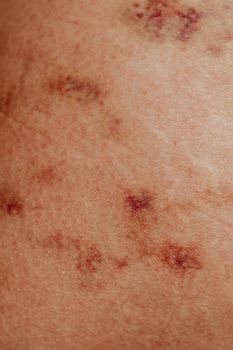
Shingles is caused by the varicella-zoster virus, the same virus that causes chickenpox. After chickenpox the virus stays dormant in nerve roots; years later, often when immunity dips with age, stress, illness or immunosuppressive treatment, it reactivates and travels along a single nerve to the skin. The first sign is usually burning, tingling or stabbing pain in a strip of skin, followed within days by a red rash that develops into clusters of blisters confined to one side of the body, most often the chest, back, abdomen or face. Blisters crust over in seven to ten days and the rash clears in two to four weeks. Shingles involving the eye or ear needs urgent specialist attention, and the main long-term complication is post-herpetic neuralgia, persistent nerve pain that is more common in older adults.
Shingles should be assessed quickly: antiviral medication is most effective when started within 72 hours of the rash appearing. See a dermatologist as soon as you notice one-sided pain with a blistering rash, especially if you are over 50, pregnant, immunosuppressed, or if the rash is near the eye, nose tip or ear. Early shingles can resemble herpes simplex, contact dermatitis or an insect bite, so examination matters. Blisters contain live virus and can give chickenpox to people who have never had it, so contact with pregnant women and infants should be avoided until crusted.
How shingles is treated at Oaro
At Oaro Dermatology Clinic in Apgujeong, Seoul, a board-certified dermatologist confirms the diagnosis from the pattern of the rash, with a PCR swab in atypical cases. Oral antivirals such as valacyclovir or famciclovir are prescribed for seven days, with doses adjusted for kidney function. Pain is managed with a stepped plan that may include anti-inflammatory medication, nerve-pain agents and topical measures, and the skin is protected with drying lotions and dressings to prevent bacterial infection. Eye or ear involvement is referred the same day. Visit the medical dermatology hub or book a consultation.
Why patients choose Oaro
- Board-certified dermatologists for medical and cosmetic skin care under one roof
- Dermoscopy, allergy and scalp assessment before any prescription
- Written treatment plan, home-care guidance and follow-up
- Private rooms in Cheongdam Tower, 8 minutes from Apgujeong Rodeo Station
- English-friendly coordination for visitors and expats
Treatment goals
Common goals for shingles treatment
Shorten the episode
Antivirals within 72 hours may speed healing and reduce new blister formation.
Control acute pain
A tailored pain plan makes the first two weeks more bearable and supports sleep.
Reduce the risk of post-herpetic neuralgia
Early treatment and good pain control are associated with a lower chance of lasting nerve pain.
Prevent complications
Protecting blisters from infection and referring eye or ear involvement promptly guards against scarring and damage.
Your visit
What to expect
1. Consultation & diagnosis
Your dermatologist asks when pain and rash began, examines the distribution, checks for eye, ear or facial nerve involvement and, if the picture is unusual, takes a swab for viral PCR. Immunosuppressed or pregnant patients are assessed for hospital referral.
2. Treatment
You receive a seven-day oral antiviral prescription to start the same day, pain relief appropriate to severity, and topical care such as calamine or antiseptic soaks for weeping blisters. Advice covers rest, avoiding contact with vulnerable people, and warning signs that need urgent review. Once the rash has healed, vaccination against future shingles is discussed where appropriate.
3. Aftercare & follow-up
A review at around one week checks healing and pain. Persistent pain beyond the rash prompts a post-herpetic neuralgia plan, and any residual scarring or pigmentation can be assessed later.
Cost & insurance
Shingles treatment cost in Seoul
Shingles is a medical condition, so insured residents typically have part of the consultation, swab and antiviral prescription covered by Korean National Health Insurance, paying a co-payment. International visitors pay self-pay rates and receive an itemised receipt for travel insurance.
| Option | Typical range (KRW) |
|---|---|
| Consultation (self-pay) | 30,000 – 80,000 |
| Viral PCR swab (if needed) | 40,000 – 120,000 |
| Antiviral course and pain medication (pharmacy) | 30,000 – 120,000 |
Exact pricing is confirmed at consultation after examination.
Home care
Aftercare
- Take antivirals at the prescribed intervals for the full course.
- Keep the rash clean, loosely covered and dry; avoid scratching or bursting blisters.
- Rest, and avoid contact with pregnant women, newborns and anyone who has not had chickenpox until all blisters have crusted.
- Use cool compresses and prescribed pain relief; do not apply unprescribed creams to open blisters.
- Seek urgent care for eye pain, vision change, facial weakness, hearing change or spreading rash.

Medically reviewed by
Dr. Chang-hyun Kim, M.D.
Board-certified dermatologist and Representative Director of Oaro Dermatology Clinic, Cheongdam. Full member of the Korean Dermatological Association, the Korean Society of Atopic Dermatitis, the Korean Society of Vitiligo & Pigmentation and the Korean Society of Acne & Rosacea.
FAQ
Frequently asked questions
Is shingles contagious?
Shingles itself is not passed on, but fluid from blisters can cause chickenpox in someone who has never had it or been vaccinated.
How long does shingles last?
The rash usually heals in two to four weeks. Pain often settles over the same period, though some people have nerve pain for months.
Can I get shingles more than once?
Yes, though recurrence is uncommon. Vaccination after recovery is discussed at Oaro Dermatology Clinic in Apgujeong for eligible adults.
What is post-herpetic neuralgia?
Nerve pain that continues after the rash has healed. It is more common in older adults and is treated with nerve-pain medication and, in some cases, specialist referral.
Do antivirals work if I start late?
They are most effective within 72 hours, but a dermatologist in Seoul may still prescribe them if new blisters are forming or you are at higher risk.
Explore related care
Related conditions and treatments
- Viral Skin Infection — the wider family of viral skin conditions
- Cold Sores — herpes simplex, which can look similar early on
- Bacterial Skin Infection — secondary infection of blisters
- Post-Inflammatory Hyperpigmentation — marks that can follow healing
- Medical Dermatology — all medical skin services
Same-week appointments
See a board-certified dermatologist in Apgujeong
Bring your questions, medication list and any photos of flare-ups. We will examine your skin, explain the diagnosis and give you a written plan. English-speaking coordinators are available for international patients and expats.