
Skin Infections · Apgujeong, Seoul
Bacterial Skin Infection
Impetigo, folliculitis, boils and cellulitis diagnosed and treated promptly by a board-certified dermatologist.

Skin Infections · Apgujeong, Seoul
Bacterial Skin Infection
Impetigo, folliculitis, boils and cellulitis diagnosed and treated promptly by a board-certified dermatologist.

Quick answer
Medical dermatology at Oaro Dermatology Clinic is led by board-certified dermatologists who diagnose first and treat second. Korean National Health Insurance may apply to covered conditions for insured residents. Meet our doctors or book a same-week appointment .
At a glance
| Procedure time | Consultation 15–25 minutes; abscess drainage 15–20 minutes |
|---|---|
| Anaesthesia | Local anaesthetic for drainage |
| Downtime | None to a few days of dressing changes |
| Sessions | Antibiotic course 5–10 days; review at 2–3 days if severe |
| Results last | Infection usually resolves; recurrence depends on cause |
| Performed by | Board-certified dermatologist |
Overview
What is a bacterial skin infection?
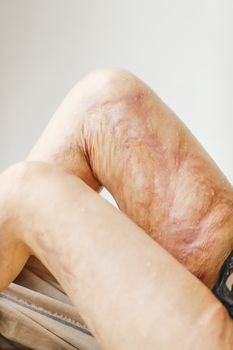
Healthy skin is a strong barrier, but when it is broken by a cut, insect bite, eczema, shaving, friction or a fungal infection, bacteria can multiply in the deeper layers. Impetigo produces honey-coloured crusts, usually around the nose and mouth in children, and is highly contagious. Folliculitis is infection of hair follicles, appearing as small pustules on the beard, scalp, buttocks or thighs; deeper follicle infection becomes a boil (furuncle) or a cluster of boils (carbuncle). Cellulitis is a spreading infection of the deeper skin causing warm, red, swollen, painful areas, often on the lower leg, and can be accompanied by fever. Infected eczema, paronychia around the nail fold and secondary infection of scratched viral lesions are also common.
Mild folliculitis may settle with hygiene alone, but see a dermatologist promptly if redness is spreading, the area is hot or very painful, there is pus, fever or feeling unwell, the infection is on the face, you have diabetes or a weakened immune system, or boils keep recurring. Cellulitis that spreads quickly, or any infection with high fever, needs same-day care.
How bacterial skin infections are treated at Oaro
At Oaro Dermatology Clinic in Apgujeong, Seoul, a board-certified dermatologist examines the lesion, marks the edge of any cellulitis to monitor spread, and may take a swab for culture so that antibiotics can be adjusted if the bacteria are resistant. Localised impetigo or folliculitis is treated with topical antibiotics and antiseptic washes; more extensive infection, boils and cellulitis receive oral antibiotics chosen for likely organisms, including MRSA where suspected. Fluctuant abscesses are drained under local anaesthetic. Underlying causes such as athlete's foot, eczema or shaving habits are addressed to prevent recurrence, and nasal carriage of staphylococcus is treated in people with repeated boils. See the medical dermatology hub or book a consultation.
Why patients choose Oaro
- Board-certified dermatologists for medical and cosmetic skin care under one roof
- Dermoscopy, allergy and scalp assessment before any prescription
- Written treatment plan, home-care guidance and follow-up
- Private rooms in Cheongdam Tower, 8 minutes from Apgujeong Rodeo Station
- English-friendly coordination for visitors and expats
Treatment goals
Common goals for bacterial skin infection treatment
Stop the infection spreading
Prompt, appropriately targeted antibiotics reduce the risk of cellulitis progressing or recurring.
Relieve pain and swelling
Drainage of abscesses and anti-inflammatory measures bring quick relief.
Identify the entry point
Treating the fungal infection, eczema or wound that let bacteria in prevents the next episode.
Minimise scarring
Careful wound care and early treatment limit marks, especially on the face.
Your visit
What to expect
1. Consultation & diagnosis
Your dermatologist asks how the infection started, examines the area and nearby lymph nodes, checks temperature where relevant, and takes a swab from pus or crust for culture. Blood tests or referral to hospital are arranged for severe cellulitis.
2. Treatment
Topical antibiotic ointment and antiseptic cleansing are prescribed for impetigo and mild folliculitis. Oral antibiotics are started for boils, infected eczema and cellulitis, usually for five to ten days, and adjusted when culture results return. Boils that have formed a collection are drained under local anaesthetic and dressed. Wound care, hygiene and laundry advice are explained, and household contacts are advised in contagious cases such as impetigo.
3. Aftercare & follow-up
You receive written wound-care instructions. Cellulitis is reviewed within two to three days to confirm improvement, and recurrent boils prompt a decolonisation plan and a check for underlying conditions.
Cost & insurance
Bacterial skin infection treatment cost in Seoul
Bacterial skin infections are medical conditions, so insured residents typically have part of the consultation, culture, drainage and antibiotic prescriptions covered by Korean National Health Insurance, paying a co-payment. International visitors pay self-pay rates and receive an itemised receipt.
| Option | Typical range (KRW) |
|---|---|
| Consultation (self-pay) | 30,000 – 80,000 |
| Bacterial culture and sensitivity | 30,000 – 80,000 |
| Abscess drainage and dressing (self-pay) | 50,000 – 200,000 |
Exact pricing is confirmed at consultation after examination.
Home care
Aftercare
- Complete the full antibiotic course even if the skin looks better after two days.
- Wash the area gently with the recommended antiseptic and keep it covered with a clean dressing.
- Do not squeeze boils or pick crusts; this spreads bacteria.
- Wash hands often, and use separate towels and bedding while impetigo is contagious.
- Return immediately if redness extends beyond the marked line, pain worsens or fever develops.

Medically reviewed by
Dr. Chang-hyun Kim, M.D.
Board-certified dermatologist and Representative Director of Oaro Dermatology Clinic, Cheongdam. Full member of the Korean Dermatological Association, the Korean Society of Atopic Dermatitis, the Korean Society of Vitiligo & Pigmentation and the Korean Society of Acne & Rosacea.
FAQ
Frequently asked questions
How can I tell if a skin infection is bacterial?
Yellow crusts, pus, increasing warmth, spreading redness and pain suggest bacterial infection. A dermatologist confirms it by examination and swab.
Do I need antibiotics for a boil?
Small boils may drain on their own with warm compresses. Larger, painful or multiple boils, or those on the face, usually need drainage and antibiotics.
Is impetigo contagious?
Yes. It spreads by contact until crusts have healed or after 24–48 hours of antibiotic treatment. Keep children home from school during this period.
Why do I keep getting folliculitis?
Shaving, tight clothing, sweat, hot tubs and staphylococcus carriage in the nose are common causes. Oaro Dermatology Clinic in Apgujeong addresses these alongside treatment.
When is cellulitis an emergency?
Rapid spread, high fever, severe pain, blistering or confusion require same-day hospital care in Seoul rather than a routine clinic visit.
Explore related care
Related conditions and treatments
- Fungal Skin Infection — a frequent entry point for bacteria
- Viral Skin Infection — scratched lesions that become infected
- Nail Disorders — paronychia and infected nail folds
- Epidermoid Cyst — cysts that become inflamed or infected
- Itchy Skin — scratching that breaks the barrier
- Medical Dermatology — all medical skin services
Same-week appointments
See a board-certified dermatologist in Apgujeong
Bring your questions, medication list and any photos of flare-ups. We will examine your skin, explain the diagnosis and give you a written plan. English-speaking coordinators are available for international patients and expats.