
Skin Infections · Apgujeong, Seoul
Cold Sores
Fast antiviral treatment and a prevention plan for recurrent lip herpes, from a board-certified dermatologist.

Skin Infections · Apgujeong, Seoul
Cold Sores
Fast antiviral treatment and a prevention plan for recurrent lip herpes, from a board-certified dermatologist.

Quick answer
Medical dermatology at Oaro Dermatology Clinic is led by board-certified dermatologists who diagnose first and treat second. Korean National Health Insurance may apply to covered conditions for insured residents. Meet our doctors or book a same-week appointment .
At a glance
| Procedure time | Consultation 10–20 minutes |
|---|---|
| Anaesthesia | Not applicable |
| Downtime | None; sores heal in 7–10 days |
| Sessions | Episodic antiviral courses; suppressive therapy reviewed every 6–12 months |
| Results last | Outbreaks shorten; the virus remains dormant |
| Performed by | Board-certified dermatologist |
Overview
What are cold sores?
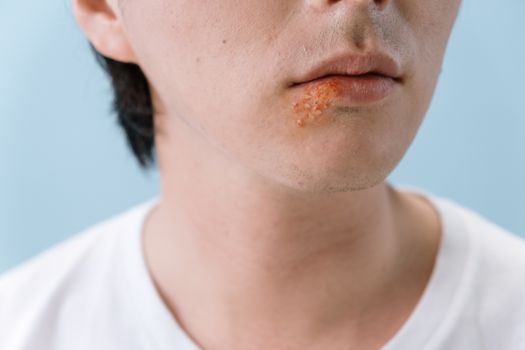
Cold sores, or fever blisters, are clusters of tiny fluid-filled blisters on the lip border, around the mouth or occasionally the nose and cheeks. They are caused by herpes simplex virus, most often HSV-1, which is usually acquired in childhood and then lies dormant in the nerve ganglia. Reactivation is triggered by ultraviolet light, fever, stress, lack of sleep, menstruation, dental work or lip injury. An outbreak typically begins with tingling or burning, followed by blisters that weep, crust and heal over seven to ten days. Cold sores are contagious from the first tingle until the crust has fallen off, and the virus can be passed by kissing, shared cups or towels and oral contact.
Occasional cold sores can be managed at home, but a dermatologist can help when outbreaks are frequent, large, slow to heal, spreading beyond the lips, occurring near the eyes, or affecting someone with eczema or a weakened immune system. Lip lesions are also occasionally mistaken for impetigo, angular cheilitis or an allergic reaction, and recurrent sores in the same spot sometimes need a swab to confirm the virus. Other viral skin infections and bacterial skin infections can complicate the picture.
How cold sores are treated at Oaro
At Oaro Dermatology Clinic in Apgujeong, Seoul, a board-certified dermatologist examines the lesion and, where needed, takes a swab for PCR. Oral antivirals such as acyclovir, valacyclovir or famciclovir are prescribed at the first sign of an outbreak to shorten healing, with topical antiviral or barrier creams for mild episodes. For people with six or more outbreaks a year, daily suppressive antiviral therapy may be offered after a review of kidney function and other medications. Sun protection for the lips and trigger management form part of every plan. Visit the medical dermatology hub or book a consultation.
Why patients choose Oaro
- Board-certified dermatologists for medical and cosmetic skin care under one roof
- Dermoscopy, allergy and scalp assessment before any prescription
- Written treatment plan, home-care guidance and follow-up
- Private rooms in Cheongdam Tower, 8 minutes from Apgujeong Rodeo Station
- English-friendly coordination for visitors and expats
Treatment goals
Common goals for cold sore treatment
Shorten the current outbreak
Antivirals started within 24–48 hours of tingling may cut healing time by one to two days and reduce pain.
Reduce how often outbreaks return
Suppressive therapy and trigger control lower frequency in people with recurrent episodes.
Protect others and sensitive sites
Advice on contagious periods protects partners, children and the eyes.
Prevent scarring and pigmentation
Gentle wound care reduces post-inflammatory marks on the lip border.
Your visit
What to expect
1. Consultation & diagnosis
Your dermatologist asks about frequency, triggers and prodromal symptoms, examines the lips and surrounding skin and, if the diagnosis is unclear, takes a swab for viral PCR.
2. Treatment
For an active sore you receive a short oral antiviral course, often a high-dose one-day regimen, plus a soothing or antiviral cream. Frequent sufferers are offered a prescription to keep at home so treatment can start at the first tingle, or daily suppressive therapy. Lip sunscreen, sleep and stress strategies are discussed, and people planning lip filler or laser treatment are advised on antiviral cover beforehand.
3. Aftercare & follow-up
Written instructions explain contagious periods and hygiene. Suppressive therapy is reviewed every six to twelve months, and slow-healing or atypical sores are reassessed.
Cost & insurance
Cold sore treatment cost in Seoul
Herpes simplex is a medical infection, so insured residents typically have part of the consultation and antiviral prescription covered by Korean National Health Insurance, paying a co-payment. International visitors pay self-pay rates; antivirals are purchased at a pharmacy.
| Option | Typical range (KRW) |
|---|---|
| Consultation (self-pay) | 25,000 – 70,000 |
| Viral PCR swab (if needed) | 40,000 – 120,000 |
| Oral antiviral course (pharmacy) | 10,000 – 50,000 |
Exact pricing is confirmed at consultation after examination.
Home care
Aftercare
- Start antivirals at the first tingle; the earlier the better.
- Do not touch, pick or pop blisters, and wash hands after applying cream.
- Avoid kissing, oral contact and sharing cups, lip balm or towels until fully crusted.
- Use an SPF lip balm daily, especially in sun, snow or at altitude.
- Contact the clinic if sores spread, become very painful, or involve the eye area.
Medically reviewed by
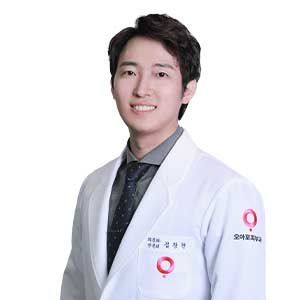
Dr. Chang-hyun Kim, M.D.
Board-certified dermatologist and Representative Director of Oaro Dermatology Clinic, Cheongdam. Full member of the Korean Dermatological Association, the Korean Society of Atopic Dermatitis, the Korean Society of Vitiligo & Pigmentation and the Korean Society of Acne & Rosacea.
FAQ
Frequently asked questions
How do I get rid of a cold sore fast?
Oral antivirals taken within 24–48 hours of the first tingle are the most effective way to shorten an outbreak. Creams help less once blisters have formed.
Why do I keep getting cold sores?
The virus remains in nerve cells for life and reactivates with sun, stress, illness or tiredness. Suppressive therapy and trigger control reduce recurrences.
Are cold sores contagious?
Yes, from the first tingle until the crust falls off. Avoid close contact and shared items during that time.
Should I get antiviral cover before lip filler or laser?
If you have a history of cold sores, a dermatologist at Oaro Dermatology Clinic in Apgujeong may prescribe antivirals before lip procedures to reduce the risk of an outbreak.
Can a cold sore be something else?
Impetigo, angular cheilitis and allergic reactions can look similar. A swab or examination in Seoul clarifies the cause.
Explore related care
Related conditions and treatments
- Viral Skin Infection — the wider family of viral skin conditions
- Shingles — another reactivating herpes-family virus
- Bacterial Skin Infection — impetigo can mimic or complicate cold sores
- Lip Filler — why antiviral cover matters before lip procedures
- Medical Dermatology — all medical skin services
Same-week appointments
See a board-certified dermatologist in Apgujeong
Bring your questions, medication list and any photos of flare-ups. We will examine your skin, explain the diagnosis and give you a written plan. English-speaking coordinators are available for international patients and expats.