
Hair & Scalp · Apgujeong, Seoul
Minoxidil
Topical and low-dose oral minoxidil for pattern hair loss, chosen and monitored by a dermatologist.

Hair & Scalp · Apgujeong, Seoul
Minoxidil
Topical and low-dose oral minoxidil for pattern hair loss, chosen and monitored by a dermatologist.

Quick answer
Medical dermatology at Oaro Dermatology Clinic is led by board-certified dermatologists who diagnose first and treat second. Korean National Health Insurance may apply to covered conditions for insured residents. Meet our doctors or book a same-week appointment .
At a glance
| Procedure time | Consultation 20–30 minutes; home application 1–2 minutes daily |
|---|---|
| Anaesthesia | Not applicable |
| Downtime | None |
| Sessions | Daily use; review at 3–4 months and then every 6 months |
| Results last | Maintained while treatment continues |
| Performed by | Board-certified dermatologist |
Overview
What is minoxidil?
Minoxidil was originally a blood-pressure medicine; its hair-growth effect was noticed as a side effect and later developed into the topical solutions and foams now used worldwide. It shortens the resting phase and lengthens the growth phase of hair follicles, enlarges miniaturised follicles and increases blood flow to the scalp. Topical 5% minoxidil is widely used for male pattern hair loss and 2–5% preparations for female pattern hair loss. In recent years low-dose oral minoxidil has become a prescription alternative for people who cannot tolerate the topical form or want a simpler routine.
Minoxidil is not for everyone. It should be avoided in pregnancy and breastfeeding, and oral minoxidil requires caution in people with heart disease, low blood pressure, fluid retention or those taking certain blood-pressure medicines. Topical use can cause scalp irritation, dryness, unwanted facial hair and an early shedding phase. Because the right form and dose depend on your health and diagnosis, a dermatologist's assessment comes first.
How minoxidil is used at Oaro
At Oaro Dermatology Clinic in Apgujeong, Seoul, a board-certified dermatologist confirms the type of hair loss, checks the scalp for irritation or seborrheic dermatitis that could make topical use uncomfortable, and reviews your medical history. Topical minoxidil is then recommended with clear instructions, or low-dose oral minoxidil is prescribed where it is judged safe and appropriate. Minoxidil is usually paired with finasteride in men and sometimes with supportive scalp injections. Visit the medical dermatology hub for related conditions or book a consultation.
Why patients choose Oaro
- Board-certified dermatologists for medical and cosmetic skin care under one roof
- Dermoscopy, allergy and scalp assessment before any prescription
- Written treatment plan, home-care guidance and follow-up
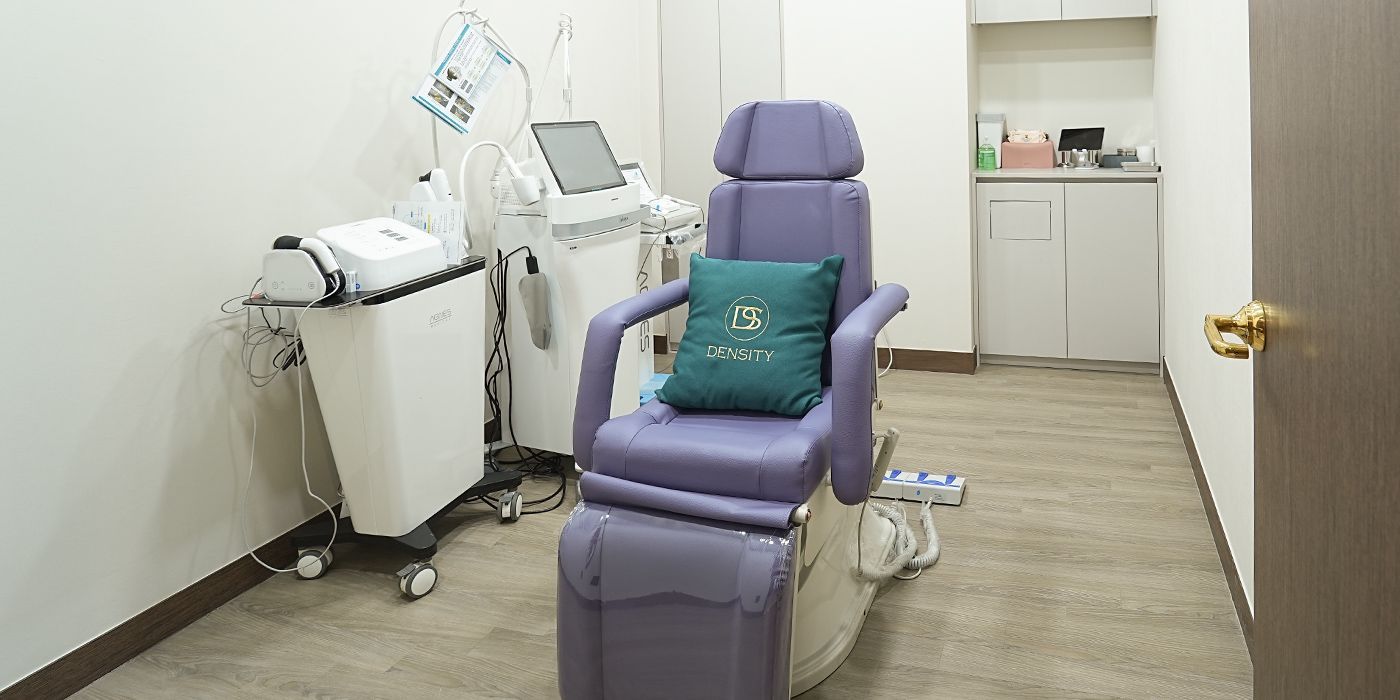
- Private rooms in Cheongdam Tower, 8 minutes from Apgujeong Rodeo Station
- English-friendly coordination for visitors and expats
Treatment goals
Common goals for minoxidil treatment
Stimulate regrowth
Minoxidil may thicken fine, miniaturised hairs so the scalp looks less visible through the hair.
Suit your routine and skin
Foam, solution or oral tablet is chosen to fit sensitivity, lifestyle and tolerance.
Combine with other treatments
Used with finasteride, PRP or scalp care, minoxidil forms part of a layered plan rather than a single fix.
Avoid side effects
Correct dosing and monitoring reduce irritation, unwanted hair growth and, for oral use, cardiovascular effects.
Your visit
What to expect
1. Consultation & diagnosis
Your dermatologist examines the scalp with a dermoscope, photographs the affected areas and reviews your history, including blood pressure, heart health, pregnancy plans and current medications.
2. Choosing the form and starting treatment
For most patients, topical 5% minoxidil applied once or twice daily is the first step. If the topical form irritates the scalp or is impractical, low-dose oral minoxidil may be prescribed after examination, with monitoring of blood pressure and any swelling or palpitations. The clinic explains the expected early shedding phase and how to apply the product correctly.
3. Aftercare & follow-up
You receive written instructions and a care notebook. A review at three to four months checks tolerance; photographs at six and twelve months track density. The plan is adjusted, and oral patients are reviewed for side effects at each visit.
Cost & insurance
Minoxidil cost in Seoul
Minoxidil for pattern hair loss is treated as cosmetic and is not usually covered by Korean National Health Insurance, so consultations are self-pay for residents and international visitors alike. Topical minoxidil is available over the counter at Korean pharmacies; oral minoxidil requires a prescription.
| Option | Typical range (KRW) |
|---|---|
| Initial consultation and scalp examination | 30,000 – 80,000 |
| Topical minoxidil 5%, per month (pharmacy) | 15,000 – 50,000 |
| Oral minoxidil prescription, per month (pharmacy) | 10,000 – 40,000 |
Exact pricing is confirmed at consultation after examination.
Home care
Aftercare
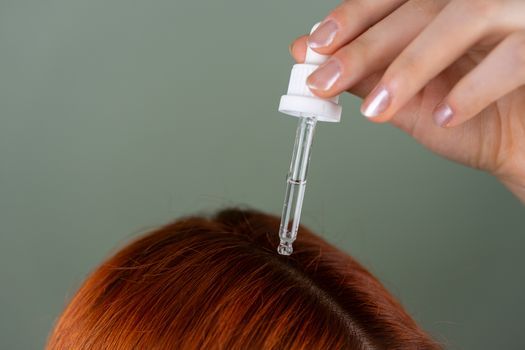
- Apply topical minoxidil to a dry scalp and leave it on for at least four hours before washing.
- Wash your hands after application and avoid contact with the face or pillow until dry.
- Expect increased shedding in weeks 2–8; it usually indicates the growth cycle is resetting.
- Stop and contact the clinic if you develop chest pain, palpitations, dizziness or swelling on oral minoxidil.
- Use consistently; results fade within months if treatment stops.
Medically reviewed by
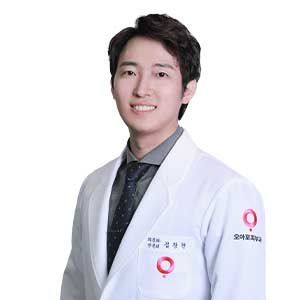
Dr. Chang-hyun Kim, M.D.
Board-certified dermatologist and Representative Director of Oaro Dermatology Clinic, Cheongdam. Full member of the Korean Dermatological Association, the Korean Society of Atopic Dermatitis, the Korean Society of Vitiligo & Pigmentation and the Korean Society of Acne & Rosacea.
FAQ
Frequently asked questions
Does minoxidil work for hair loss?
Topical minoxidil increases hair count in many men and women with pattern hair loss, with results typically visible after four to six months of consistent use.
Is minoxidil safe to use long term?
Topical minoxidil has a long safety record. Oral minoxidil is used off-label at low doses and needs dermatologist supervision because it can affect blood pressure and fluid balance.
Why is my hair shedding more after starting minoxidil?
Early shedding is common as resting hairs are pushed out to make way for new growth. It usually settles within two months.
Can I use minoxidil with finasteride?
Yes. The combination is a standard approach for men and may give better results than either alone.
Do I need a prescription for minoxidil in Korea?
Topical minoxidil is sold over the counter. Oral minoxidil is prescription-only and is prescribed at Oaro Dermatology Clinic in Apgujeong after examination.
Explore related care
Related conditions and treatments
- Male Hair Loss — the most common reason for minoxidil use
- Female Hair Loss — minoxidil is first-line for women
- Finasteride — oral partner therapy for men
- Dandruff — scalp flaking that can complicate topical use
- PRP Therapy — supportive scalp injections
- Medical Dermatology — all medical skin and scalp services
Same-week appointments
See a board-certified dermatologist in Apgujeong
Bring your questions, medication list and any photos of flare-ups. We will examine your skin, explain the diagnosis and give you a written plan. English-speaking coordinators are available for international patients and expats.