
Hair & Scalp · Apgujeong, Seoul
Female Hair Loss
Careful diagnosis of thinning in women, with hormone-aware prescription therapy and gentle scalp care.

Hair & Scalp · Apgujeong, Seoul
Female Hair Loss
Careful diagnosis of thinning in women, with hormone-aware prescription therapy and gentle scalp care.
Quick answer
Medical dermatology at Oaro Dermatology Clinic is led by board-certified dermatologists who diagnose first and treat second. Korean National Health Insurance may apply to covered conditions for insured residents. Meet our doctors or book a same-week appointment .
At a glance
| Procedure time | Consultation and scalp examination 20–30 minutes |
|---|---|
| Anaesthesia | None; topical numbing if scalp injections are chosen |
| Downtime | None |
| Sessions | Ongoing therapy with reviews every 3–6 months |
| Results last | Depends on cause; pattern loss needs ongoing care |
| Performed by | Board-certified dermatologist |
Overview
What is female hair loss?
Hair loss in women rarely has a single cause. Female pattern hair loss produces gradual widening of the central parting with a preserved frontal hairline. Telogen effluvium causes sudden, diffuse shedding two to four months after a trigger such as childbirth, surgery, rapid weight loss, high fever or emotional stress. Low iron stores, thyroid disorders, polycystic ovary syndrome and some medications may also thin the hair, and conditions such as alopecia areata or scalp seborrheic dermatitis are sometimes mistaken for pattern loss.
Because the treatments differ so widely, an accurate diagnosis is the most valuable first step. See a dermatologist if your parting is widening, your ponytail feels thinner, you are shedding noticeably more than usual, or you notice patches, scaling or scalp discomfort.
How female hair loss is treated at Oaro
At Oaro Dermatology Clinic in Apgujeong, Seoul, the consultation begins with a detailed history covering menstrual cycles, pregnancy, contraception, diet and recent illness, followed by dermoscopic examination of the scalp and a gentle hair-pull test. Blood tests for ferritin, thyroid function, vitamin D and, where appropriate, androgens are often arranged. Results are discussed in plain language.
Treatment is matched to the cause. Female pattern hair loss typically responds to topical minoxidil, and in selected women to oral anti-androgen therapy or low-dose oral minoxidil after discussion of contraindications. Telogen effluvium usually recovers once the trigger and any deficiency are corrected. Supportive scalp PRP or growth-factor injections may be added for density. Written aftercare and a care notebook keep the plan clear between visits. Explore the full medical dermatology hub or book a consultation.

Why patients choose Oaro
- Board-certified dermatologists for medical and cosmetic skin care under one roof
- Dermoscopy, allergy and scalp assessment before any prescription
- Written treatment plan, home-care guidance and follow-up
- Private rooms in Cheongdam Tower, 8 minutes from Apgujeong Rodeo Station
- English-friendly coordination for visitors and expats
Treatment goals
Common goals for female hair loss treatment
Identify the real cause
Many women have more than one contributor. Tests and examination separate pattern loss from reversible shedding.
Stop excessive shedding
Correcting deficiencies and treating scalp inflammation often slows shedding within a few months.
Restore parting density
Topical or oral therapy may thicken miniaturised hairs so the parting looks narrower and styles hold better.
Protect hair through life changes
Postpartum, perimenopausal and high-stress periods are planned for so that progress is not lost.
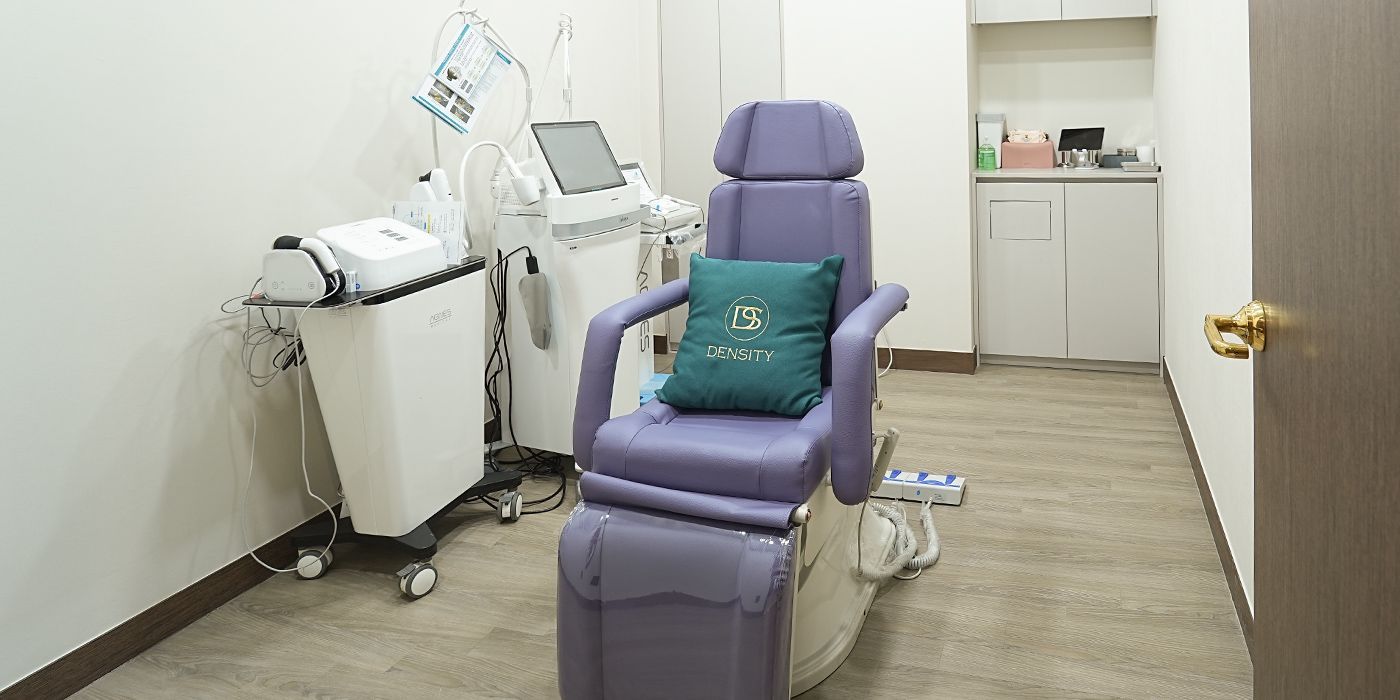
Your visit
What to expect
1. Consultation & diagnosis
Your dermatologist listens to your timeline, examines the scalp with a dermoscope, performs a hair-pull test and takes standardised photographs. Blood tests are requested where indicated, and a scalp biopsy is rarely needed for unclear cases.
2. Tailored treatment
Depending on the diagnosis, you may receive topical minoxidil, a prescription suitable for women, supplements to correct a measured deficiency, and medicated shampoo for any scalp inflammation. Scalp PRP or growth-factor injections are optional add-ons performed under topical numbing in about 20 minutes. Oral options are prescribed only after the dermatologist reviews your medical history and, where relevant, contraception plans.
3. Aftercare & follow-up
You receive written instructions and a care notebook. Follow-up at three months checks tolerance and shedding, and photographs at six and twelve months track density so the plan can be refined.
Cost & insurance
Female hair loss treatment cost in Seoul
Where hair loss is linked to a medical condition such as thyroid disease, iron deficiency, alopecia areata or scalp dermatitis, insured residents may find that part of the consultation, blood tests and treatment is covered by Korean National Health Insurance. Female pattern hair loss itself is usually treated as self-pay. International visitors pay self-pay rates and receive an itemised receipt.
| Option | Typical range (KRW) |
|---|---|
| Initial consultation and scalp examination | 30,000 – 80,000 |
| Blood test panel (self-pay) | 50,000 – 150,000 |
| Scalp PRP / growth-factor injection (per session) | 150,000 – 400,000 |
Exact pricing is confirmed at consultation after examination.
Home care
Aftercare
- Apply minoxidil once or twice daily as directed to a dry scalp; wash hands afterwards.
- Take any prescribed supplements consistently and re-test levels when asked.
- Use lukewarm water and gentle shampoo; avoid tight hairstyles and heavy heat styling.
- Expect a brief shedding phase early in treatment; it is usually temporary.
- Tell your dermatologist about new medications, pregnancy plans or changes in health.
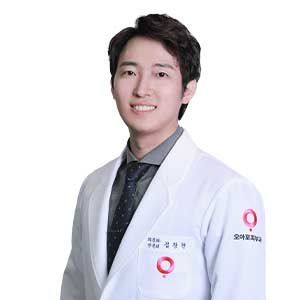
Medically reviewed by
Dr. Chang-hyun Kim, M.D.
Board-certified dermatologist and Representative Director of Oaro Dermatology Clinic, Cheongdam. Full member of the Korean Dermatological Association, the Korean Society of Atopic Dermatitis, the Korean Society of Vitiligo & Pigmentation and the Korean Society of Acne & Rosacea.
FAQ
Frequently asked questions
Why am I losing hair as a woman?
Common reasons include female pattern hair loss, telogen effluvium after stress or childbirth, low iron, thyroid imbalance and scalp inflammation. A dermatologist's examination and blood tests usually clarify the cause.
Will my hair grow back?
Shedding from telogen effluvium or a corrected deficiency often recovers within 6–12 months. Pattern hair loss can be improved and stabilised, but it needs ongoing treatment.
Is minoxidil safe for women?
Topical minoxidil is widely used in women. It is not recommended during pregnancy or breastfeeding, and your dermatologist will discuss suitability.
Can finasteride be used by women?
Finasteride is not used in women who could become pregnant. Other options are considered case by case.
How soon should I see a dermatologist?
If shedding continues beyond three months, the parting is visibly widening, or you notice patches, a visit to Oaro Dermatology Clinic in Apgujeong is worthwhile.
Explore related care
Related conditions and treatments
- Minoxidil — the most common topical therapy for women
- Male Hair Loss — how pattern loss differs in men
- Alopecia Areata — patchy loss with an immune cause
- Dandruff — scalp flaking that can accompany shedding
- PRP Therapy — supportive scalp injections
- Medical Dermatology — all medical skin and scalp services
Same-week appointments
See a board-certified dermatologist in Apgujeong
Bring your questions, medication list and any photos of flare-ups. We will examine your skin, explain the diagnosis and give you a written plan. English-speaking coordinators are available for international patients and expats.