
Hair & Scalp · Apgujeong, Seoul
Alopecia Areata
Patchy, immune-driven hair loss diagnosed and treated by a board-certified dermatologist in Apgujeong.

Hair & Scalp · Apgujeong, Seoul
Alopecia Areata
Patchy, immune-driven hair loss diagnosed and treated by a board-certified dermatologist in Apgujeong.
Quick answer
Medical dermatology at Oaro Dermatology Clinic is led by board-certified dermatologists who diagnose first and treat second. Korean National Health Insurance may apply to covered conditions for insured residents. Meet our doctors or book a same-week appointment .
At a glance
| Procedure time | Consultation 20–30 minutes; steroid injections 10–15 minutes |
|---|---|
| Anaesthesia | Topical numbing cream for injections |
| Downtime | None; mild tenderness for a day |
| Sessions | Injections every 4–6 weeks until regrowth |
| Results last | Variable; relapse is possible and monitored |
| Performed by | Board-certified dermatologist |
Overview
What is alopecia areata?
Alopecia areata is a non-scarring, autoimmune form of hair loss. T-cells mistakenly target the hair follicle, pushing it into a resting phase and causing hair to fall out in well-defined, usually round patches. The scalp beneath looks smooth and normal, which distinguishes it from fungal infection or scarring conditions. It can affect the beard, eyebrows, eyelashes and body hair, and in a minority of people progresses to total scalp (alopecia totalis) or body (alopecia universalis) hair loss. It affects men, women and children and often runs alongside thyroid disease, atopic dermatitis or vitiligo.
Because the follicle is suspended rather than destroyed, regrowth is possible, and many single patches regrow within a year even without treatment. However, the course is unpredictable: patches may enlarge, multiply or recur after years of quiet. Sudden patchy loss, nail pitting, or loss of eyebrows or lashes are reasons to see a dermatologist promptly, since early treatment is generally more effective and the condition can be mistaken for pattern hair loss or a fungal scalp infection.
How alopecia areata is treated at Oaro
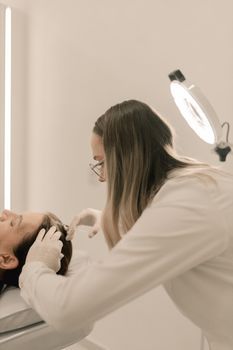
At Oaro Dermatology Clinic in Apgujeong, Seoul, diagnosis starts with dermoscopy, which shows characteristic exclamation-mark hairs and yellow dots. A hair-pull test, nail check and, where indicated, blood tests for thyroid function and other autoimmune markers complete the picture. Treatment is then matched to extent and age: intralesional corticosteroid injections into the patches are the usual first choice for adults with limited disease, while topical corticosteroids, minoxidil, contact immunotherapy or short oral courses are used where injections are unsuitable. For extensive or rapidly progressing cases, the dermatologist may discuss JAK-inhibitor therapy, which is now approved in several countries for severe alopecia areata. See the medical dermatology hub or book a consultation.
Why patients choose Oaro
- Board-certified dermatologists for medical and cosmetic skin care under one roof
- Dermoscopy, allergy and scalp assessment before any prescription
- Written treatment plan, home-care guidance and follow-up
- Private rooms in Cheongdam Tower, 8 minutes from Apgujeong Rodeo Station
- English-friendly coordination for visitors and expats
Treatment goals
Common goals for alopecia areata treatment
Confirm the diagnosis
Dermoscopy and examination separate alopecia areata from fungal infection, traction, trichotillomania and scarring alopecias.
Encourage regrowth in active patches
Reducing the immune attack at the follicle allows many patches to regrow over two to four months.
Limit spread
Treating early, active patches may reduce the chance of new ones appearing, though this cannot be guaranteed.
Support wellbeing
Hair loss is distressing. Clear information, camouflage advice and follow-up help you manage the unpredictable course.
Your visit
What to expect
1. Consultation & diagnosis
Your dermatologist examines the scalp and other hair-bearing areas with a dermoscope, checks the nails, photographs each patch and asks about family history, recent stress or illness and other autoimmune conditions. Blood tests may be arranged.
2. Treatment
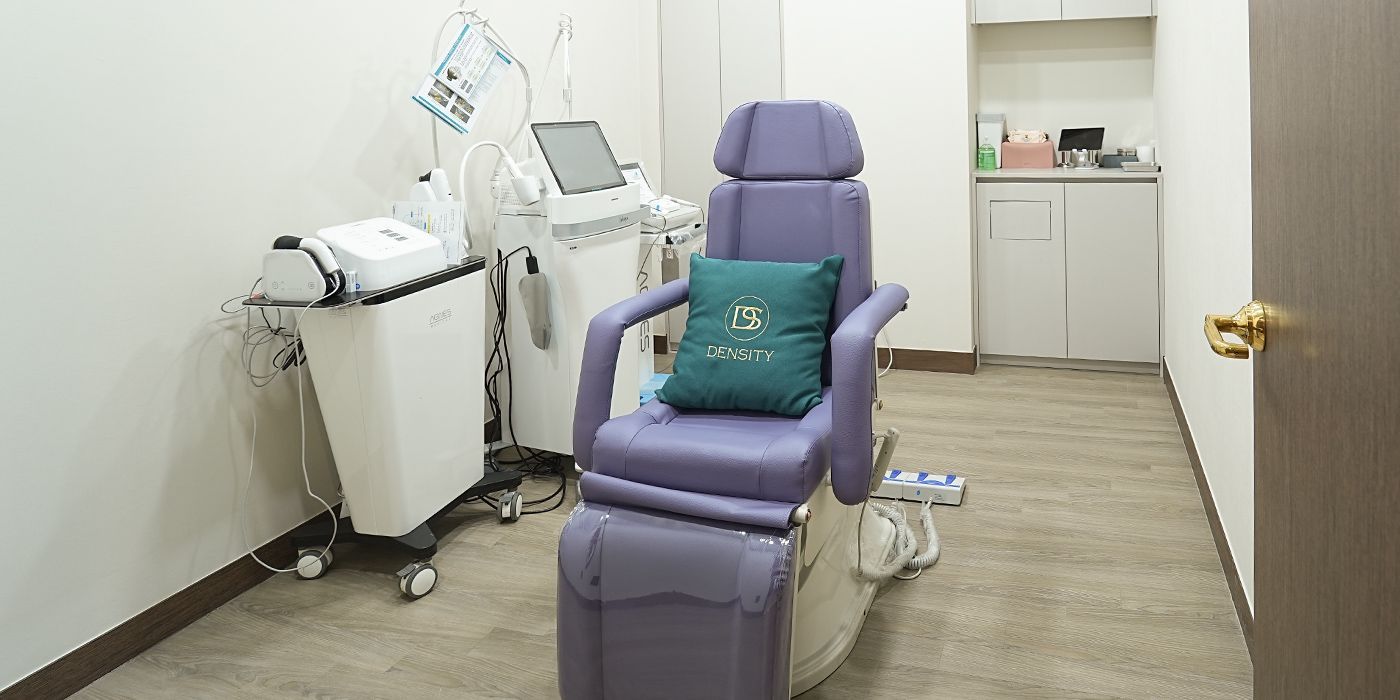
For limited patches, numbing cream is applied and dilute corticosteroid is injected into the affected skin in a short session, repeated every four to six weeks. Topical corticosteroid or minoxidil may be prescribed for home use. Children and people with many patches may instead receive topical therapy or contact immunotherapy. Extensive disease is discussed in depth, including the benefits and monitoring requirements of oral immune-modulating options.
3. Aftercare & follow-up
You leave with written aftercare and a care notebook. Patches are re-photographed at each visit so regrowth is measured objectively, and treatment is tapered once hair returns and reviewed if it relapses.
Cost & insurance
Alopecia areata treatment cost in Seoul
Alopecia areata is a recognised medical condition, so for insured residents the consultation, diagnosis and many treatments including intralesional corticosteroid injections are typically covered in part by Korean National Health Insurance, leaving a co-payment. Newer oral therapies have specific coverage criteria. International visitors pay self-pay rates and receive an itemised receipt for their own insurance.
| Option | Typical range (KRW) |
|---|---|
| Consultation and dermoscopy (self-pay) | 30,000 – 80,000 |
| Intralesional steroid injections, per session (self-pay) | 30,000 – 100,000 |
| Insured resident co-payment per visit | Typically 5,000 – 30,000 |
Exact pricing is confirmed at consultation after examination.
Home care
Aftercare
- Avoid rubbing or massaging injected patches for 24 hours.
- Apply any prescribed topical treatment as directed, usually once daily.
- Use a gentle shampoo and avoid harsh chemical or heat treatments on affected areas.
- Protect bare patches from sun with a hat or sunscreen.
- Report new patches, nail changes or eyebrow and eyelash loss early so the plan can be adjusted.
Medically reviewed by
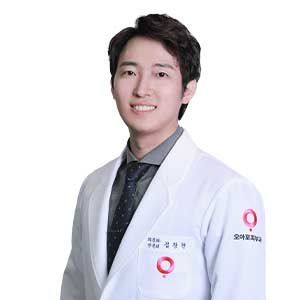
Dr. Chang-hyun Kim, M.D.
Board-certified dermatologist and Representative Director of Oaro Dermatology Clinic, Cheongdam. Full member of the Korean Dermatological Association, the Korean Society of Atopic Dermatitis, the Korean Society of Vitiligo & Pigmentation and the Korean Society of Acne & Rosacea.
FAQ
Frequently asked questions
Is alopecia areata permanent?
Usually not. Follicles are preserved, so regrowth is possible, and many patches recover within a year. Relapses can occur, which is why follow-up matters.
What triggers alopecia areata?
The exact trigger is unknown. Genetics, other autoimmune conditions and sometimes physical or emotional stress are associated, but it is not caused by poor hygiene or diet.
Do steroid injections for alopecia hurt?
Numbing cream reduces discomfort to a brief sting. Sessions take about ten minutes and have no downtime.
Can alopecia areata spread to the whole scalp?
In a minority of people it progresses to alopecia totalis or universalis. Early treatment and monitoring at Oaro Dermatology Clinic in Apgujeong help manage this risk.
Is treatment covered by Korean health insurance?
For insured residents, consultation and standard treatment are usually partly covered. Visitors to Seoul pay self-pay rates.
Explore related care
Related conditions and treatments
- Male Hair Loss — pattern thinning that looks different from patches
- Female Hair Loss — diffuse thinning in women
- Fungal Skin Infection — scalp ringworm can mimic alopecia areata
- Minoxidil — supportive topical therapy during regrowth
- Nail Disorders — nail pitting often accompanies alopecia areata
- Medical Dermatology — all medical skin and scalp services
Same-week appointments
See a board-certified dermatologist in Apgujeong
Bring your questions, medication list and any photos of flare-ups. We will examine your skin, explain the diagnosis and give you a written plan. English-speaking coordinators are available for international patients and expats.