
Face Treatments · Apgujeong, Seoul
Keloid Scar Treatment
Steroid injection, vascular laser and pressure care to flatten and soften raised keloid and hypertrophic scars.

Face Treatments · Apgujeong, Seoul
Keloid Scar Treatment
Steroid injection, vascular laser and pressure care to flatten and soften raised keloid and hypertrophic scars.
Quick answer
Every plan at Oaro Dermatology Clinic begins with a 1:1 skin diagnosis by a board-certified dermatologist, so the dose, device settings and session count are set for your skin rather than a template. Meet our doctors or ask about your own skin .
At a glance
| Procedure time | 10–20 minutes |
|---|---|
| Anaesthesia | Topical numbing cream or local anaesthetic |
| Downtime | None; tenderness for 1–2 days |
| Sessions | 3–8 injections, 4–6 weeks apart |
| Results last | Long-term with maintenance; recurrence is possible |
| Performed by | Board-certified dermatologist |
Overview
What is keloid scar treatment?
A keloid is a raised, firm scar that grows beyond the edges of the original wound and keeps growing months after the skin has healed. It is common on the earlobe after piercing, the jawline after acne, the chest and shoulders, and after surgery. Hypertrophic scars are similar but stay within the wound boundary and often settle on their own. Keloids rarely do, and they can itch, hurt and continue to enlarge, so they are treated as a medical condition rather than a purely cosmetic one.
Oaro Dermatology Clinic in Apgujeong, Seoul manages keloids within its medical dermatology service, with aesthetic refinement of the scar's colour and texture added once the growth is controlled.
How keloid scar treatment works at Oaro
The dermatologist confirms the diagnosis, measures the scar and reviews what caused it and any previous treatment. First-line therapy is intralesional corticosteroid injection, which softens and flattens the scar over a series of sessions. The V-beam-type V laser reduces the redness and itch that accompany active keloids and may slow regrowth. For thick or resistant keloids, cryotherapy or combination injections are considered, and fractional CO2 or Erbium laser is reserved for texture once the scar is flat and quiet. Silicone gel and pressure are prescribed between visits. Because keloid-prone skin also marks easily after acne, the clinic often coordinates care with post-inflammatory hyperpigmentation treatment and advises on safe removal of skin tags or epidermoid cysts to avoid new keloids. Each session is logged in your care notebook with photographs.

Why patients choose Oaro
- Diagnosis and treatment by a board-certified dermatologist, not a technician
- Genuine devices and products: Ultherapy, Thermage FLX, Helios Pico, Rejuran, Juvelook
- One treatment plan, written down, with aftercare and follow-up
- Private 1:1 rooms in Cheongdam Tower, 8 minutes from Apgujeong Rodeo Station
- English-friendly coordination and clear, itemised pricing
Treatment goals
Common goals for keloid scar treatment
A flatter, softer scar
Reducing height and firmness so the scar is less visible and less noticeable to touch.
Relief from itch and pain
Settling the inflammation that makes active keloids uncomfortable.
Less redness
Fading the red or purple colour with vascular laser.
Preventing recurrence
Planning maintenance and safe aftercare for future wounds or piercings.
Your visit
What to expect
1. Consultation & diagnosis
A board-certified dermatologist examines the scar, distinguishes keloid from hypertrophic scar, photographs and measures it, and explains the likely number of sessions.
2. Injection and laser
After numbing, corticosteroid is injected directly into the scar; thick keloids may need firm pressure and a few minutes. V laser can follow in the same visit. Sessions are repeated every 4–6 weeks as the scar softens.
3. Aftercare & follow-up
Silicone gel or sheets, pressure where practical and sun protection are prescribed in writing. Follow-up continues until the scar is flat and stable, then at longer intervals to catch early regrowth.
Cost guide
Keloid scar treatment cost in Seoul
Keloid injections are a medical treatment, and Korean national health insurance may cover part of the consultation and injection for eligible patients; laser is usually not covered. Typical 2026 ranges at Oaro Dermatology Clinic in Apgujeong:
| Option | Typical range (KRW) |
|---|---|
| Consultation + steroid injection (per session, 1–2 scars) | 30,000 – 100,000 |
| Additional scars (each) | 10,000 – 40,000 |
| V laser for scar redness (per session) | 100,000 – 250,000 |
| Fractional laser for scar texture (per session) | 200,000 – 500,000 |
Exact pricing is confirmed at consultation after examination.
Aftercare
Aftercare
- Apply silicone gel or wear silicone sheets daily as directed; consistency drives results.
- Keep the scar out of the sun or covered with SPF 50+ to limit darkening.
- Avoid scratching, friction and tight clothing over the scar.
- Expect tenderness and slight dimpling for a day or two after injection.
- Do not pierce, tattoo or have elective surgery on keloid-prone areas without consulting the dermatologist.
Medically reviewed by
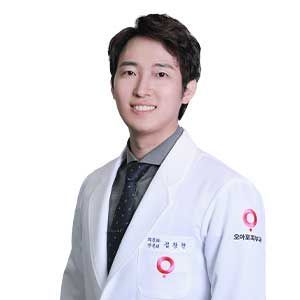
Dr. Chang-hyun Kim, M.D.
Board-certified dermatologist and Representative Director of Oaro Dermatology Clinic, Cheongdam. Ulthera Certified Treatment Provider, Thermage FLX Master Certified, and full member of the Korean Dermatological Association, the Korean Society for Dermatologic Laser and the Korean Filler Society.
FAQ
Frequently asked questions
Can a keloid be removed completely?
Rarely by cutting alone, as excision without follow-up treatment often leads to a larger keloid. Injection-based treatment flattens and softens the scar; a thin, pale mark usually remains.
How many injections will I need?
Most keloids need 3–8 sessions at 4–6 week intervals; small earlobe keloids often respond fastest.
Do steroid injections hurt?
They can sting, especially in firm scars; numbing cream or local anaesthetic is used.
Will the keloid come back?
It may. Maintenance visits and silicone care reduce the chance, and early regrowth is easier to control.
Is keloid treatment covered by insurance in Korea?
Partly, for insured patients, as it is a medical condition; the clinic will explain what applies to you.
Explore related care
Often considered together
- Face Treatments — all facial treatments at Oaro
- Medical Dermatology — the medical skin conditions treated in Seoul
- CO2 Laser Resurfacing — texture refinement once a scar is flat
- Redness Treatment — vascular laser for red, active scars
- Post-Inflammatory Hyperpigmentation — dark marks that accompany scarring
- Book a consultation — see a dermatologist in Apgujeong, Seoul
Private 1:1 consultation
Plan your treatment with a board-certified dermatologist in Apgujeong
Tell us what you would like to change, and we will examine your skin, explain the options and give you a written plan with clear pricing. English-speaking coordinators are available for international patients.