
Facial Fillers · Apgujeong, Seoul
Nose Fillers
Raise the bridge, define the tip and smooth a small bump without surgery, using firm hyaluronic-acid filler.

Facial Fillers · Apgujeong, Seoul
Nose Fillers
Raise the bridge, define the tip and smooth a small bump without surgery, using firm hyaluronic-acid filler.

Quick answer
Every plan at Oaro Dermatology Clinic begins with a 1:1 skin diagnosis by a board-certified dermatologist, so the dose, device settings and session count are set for your skin rather than a template. Meet our doctors or ask about your own skin .
At a glance
| Procedure time | 15–25 minutes |
|---|---|
| Anaesthesia | Topical numbing cream; lidocaine in the filler |
| Downtime | Minimal; slight redness or swelling for 1–2 days |
| Sessions | 1, with a review at 2 weeks |
| Results last | 12–18 months |
| Performed by | Board-certified dermatologist |
Overview
What are nose fillers?
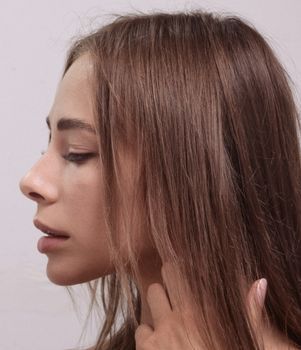
Nose fillers, often called liquid or non-surgical rhinoplasty, use a firm hyaluronic-acid (HA) gel to reshape the nose without an operation. Small amounts are placed on the bone and cartilage to raise a low bridge, straighten the line above a small hump, lift a slightly drooping tip or improve symmetry. Filler can only add, never remove, so it suits noses that need height or a smoother line rather than a reduction. In Seoul, where a straight, refined profile is a common aesthetic goal, nose filler is one of the most requested filler treatments for both local and visiting patients.
The nose has a narrow blood supply with connections toward the eye, so safety depends on injecting in the deep midline, using very small volumes and recognising warning signs immediately. For this reason, nose filler is a treatment for a doctor who performs it regularly. If you have had previous rhinoplasty, silicone implants or permanent filler, the approach changes, and sometimes filler is not advised; our non-surgical rhinoplasty page explains the alternatives.
How nose fillers work at Oaro
At Oaro Dermatology Clinic in Apgujeong, Seoul, Dr. Chang-hyun Kim, a board-certified dermatologist and member of the Korean Filler Society, begins with profile photographs and a discussion of the exact line you want. He marks the bridge and tip, applies numbing cream and places 0.3–1.0 cc of a high-cohesivity HA filler in tiny increments, aspirating before each deposit and checking the profile after every step. The tip is treated last and sparingly, because overfilling it looks heavy. Many patients add a small chin filler to balance the profile, or forehead filler for a continuous curve from brow to tip. You receive written aftercare and a two-week review.
Why patients choose Oaro
- Diagnosis and treatment by a board-certified dermatologist, not a technician
- Genuine devices and products: Ultherapy, Thermage FLX, Helios Pico, Rejuran, Juvelook
- One treatment plan, written down, with aftercare and follow-up
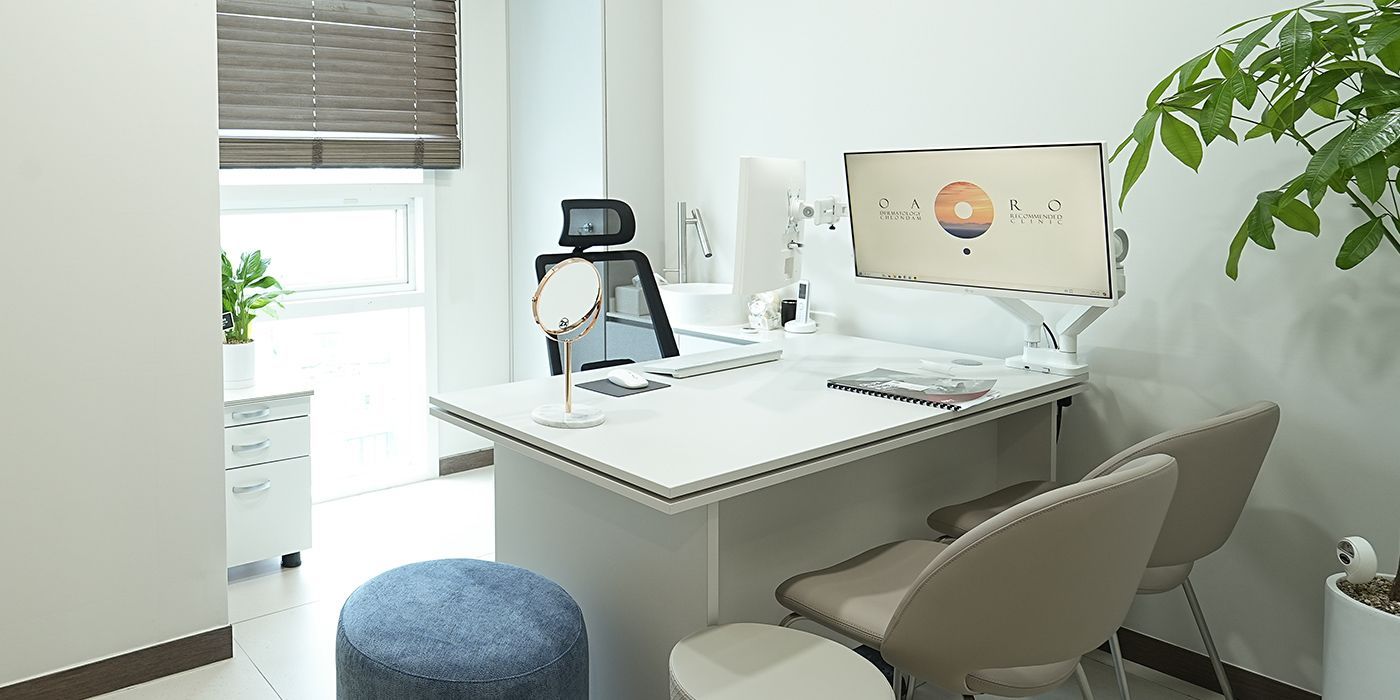
- Private 1:1 rooms in Cheongdam Tower, 8 minutes from Apgujeong Rodeo Station
- English-friendly coordination and clear, itemised pricing
Treatment goals
Common goals for nose fillers
A higher, straighter bridge
Filler along the dorsum lifts a low or flat bridge, the most common request in Seoul clinics.
Camouflaging a small bump
Placing gel above and below a hump creates a straight line, so the bump visually disappears without removing anything.
A lifted or more defined tip
A small amount at the tip and columella base can raise and sharpen a rounded tip.
Improved symmetry
Minor deviations or dents from an old injury can be evened out.
Your visit
What to expect
1. Consultation & diagnosis
Your dermatologist reviews your profile photographs, the skin thickness over the nose and any history of surgery or filler, then agrees the exact line with you and explains limits and risks.
2. Treatment
After numbing cream, filler is placed in the deep midline of the bridge in small increments, then at the tip if required. You look in a mirror between steps so the shape is approved as it builds.
3. Aftercare & follow-up
You leave with written aftercare and a direct contact for any concern. A review at two weeks confirms the result once minor swelling has settled.
Cost guide
Nose filler cost in Seoul
Nose filler uses small volumes, so the total is usually quoted as a single procedure price rather than per syringe. Firm, imported products cost more than Korean brands but are often preferred for the bridge.
| Option | Typical range (KRW) |
|---|---|
| Korean HA filler, bridge only (0.5–1 cc) | 250,000 – 500,000 |
| Imported firm HA filler, bridge + tip (1 cc) | 500,000 – 1,000,000 |
| Nose + chin profile package | 800,000 – 1,600,000 |
| Hyaluronidase (dissolving) | 100,000 – 300,000 |
Exact pricing is confirmed at consultation after examination.
Aftercare
Aftercare
- Do not press, squeeze or massage the nose for two weeks, and avoid glasses resting on the bridge for 7–10 days where possible.
- Skip saunas, alcohol and strenuous exercise for 48 hours.
- Sleep on your back for the first few nights.
- Postpone facials and strong skincare on the nose for one week.
- Contact the clinic immediately if you notice skin whitening, severe pain, a net-like purple pattern or any change in vision.
Medically reviewed by
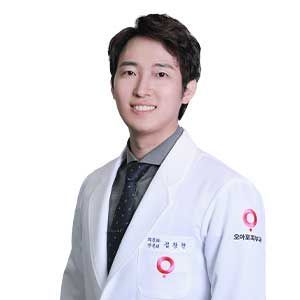
Dr. Chang-hyun Kim, M.D.
Board-certified dermatologist and Representative Director of Oaro Dermatology Clinic, Cheongdam. Ulthera Certified Treatment Provider, Thermage FLX Master Certified, and full member of the Korean Dermatological Association, the Korean Society for Dermatologic Laser and the Korean Filler Society.
FAQ
Frequently asked questions
Can nose fillers make my nose smaller?
No. Filler adds volume, so it can make the nose look straighter or more refined, but it cannot reduce width or size. A wide or large nose is better discussed with a surgeon.
How long do nose fillers last?
Typically 12 to 18 months, and sometimes longer, because firm filler placed on bone is slow to break down.
Is nose filler safe?
The risk is low with careful deep midline technique and small volumes, but the nose carries a higher vascular risk than other areas, so choose a doctor who treats noses regularly and keeps hyaluronidase on site.
Can I have nose filler after rhinoplasty?
Sometimes, but the blood supply is altered after surgery, so many dermatologists decline or treat only very conservatively. Bring your surgical details to the consultation.
Can I fly home the next day?
Usually, yes. Swelling is minor, and you can travel normally; book your review before you leave Seoul or arrange a photo check-in by message.
Explore related care
Often considered together
- Facial Fillers — every filler treatment at Oaro in one place
- Non-Surgical Rhinoplasty — a broader look at reshaping the nose without surgery
- Chin Fillers — balance the profile from the front and side
- Forehead Fillers — a smooth curve from brow to nose
- Facial Contouring Fillers — whole-face planning
- Contact & Booking — book a consultation in Apgujeong, Seoul
Private 1:1 consultation
Plan your treatment with a board-certified dermatologist in Apgujeong
Tell us what you would like to change, and we will examine your skin, explain the options and give you a written plan with clear pricing. English-speaking coordinators are available for international patients.