
Skin Concerns · Apgujeong, Seoul
Keratosis Pilaris
Smooth the rough, bumpy skin on arms, thighs and cheeks with peels, laser and a routine that keeps follicles clear.
Skin Concerns · Apgujeong, Seoul
Keratosis Pilaris
Smooth the rough, bumpy skin on arms, thighs and cheeks with peels, laser and a routine that keeps follicles clear.

Quick answer
Every plan at Oaro Dermatology Clinic begins with a 1:1 skin diagnosis by a board-certified dermatologist, so the dose, device settings and session count are set for your skin rather than a template. Meet our doctors or ask about your own skin .
At a glance
| Procedure time | 20–40 minutes |
|---|---|
| Anaesthesia | None or topical cream |
| Downtime | 0–2 days of mild redness |
| Sessions | 3–6, every 3–4 weeks |
| Results last | Months to years with maintenance |
| Performed by | Board-certified dermatologist |
Overview
What is keratosis pilaris?
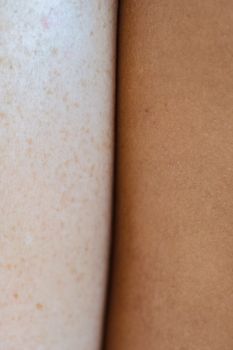
Keratosis pilaris, often called KP or chicken skin, is a very common condition in which keratin, the protein that makes up the outer skin, builds up inside hair follicles and forms a small plug. Each plug raises a tiny bump, sometimes with a trapped hair and a ring of redness or brown pigment around it. The result is a rough, sandpaper-like texture most often seen on the backs of the upper arms, the fronts of the thighs, the buttocks and, in some people, the cheeks. It is harmless and not contagious, but it can be persistent and cosmetically frustrating.
KP is largely genetic and is more common in people with dry skin or atopic dermatitis. It usually appears in childhood, peaks in the teens and often improves in adulthood, although many adults keep it. Dry winter air makes it worse, and over-scrubbing inflames the follicles without clearing them.
How keratosis pilaris is treated at Oaro
At Oaro Dermatology Clinic in Apgujeong, Seoul, Dr. Chang-hyun Kim confirms the diagnosis, distinguishes it from folliculitis or acne, and assesses how much of the problem is texture and how much is redness or pigment. Texture is addressed with keratolytic prescription creams and in-clinic chemical peels or professional exfoliation. Because the hair inside each follicle contributes to plugging, Vikini laser hair removal may reduce bumps over a course. Redness responds to Lumenis M22 IPL or the V laser, and brown marks to Pico toning. Your plan is written down and adjusted at each visit.

Why patients choose Oaro
- Diagnosis and treatment by a board-certified dermatologist, not a technician
- Genuine devices and products: Ultherapy, Thermage FLX, Helios Pico, Rejuran, Juvelook
- One treatment plan, written down, with aftercare and follow-up
- Private 1:1 rooms in Cheongdam Tower, 8 minutes from Apgujeong Rodeo Station
- English-friendly coordination and clear, itemised pricing
Treatment goals
Common goals for keratosis pilaris treatment
Smoother arms and thighs
Reduce the bumpy texture so the skin feels even to the touch.
Less redness
Fade the pink or red halo around each follicle, which is often the most visible part.
Fewer dark spots
Clear the brown marks that remain after inflamed bumps settle, common in Asian skin.
A routine that prevents rebuilding
Keep follicles clear with the right home exfoliant and moisturiser.
Your visit
What to expect
1. Consultation & diagnosis
Your dermatologist examines the affected areas, checks for dryness or atopic dermatitis and explains whether texture, redness or pigment should be treated first. You receive a written plan and home routine.
2. Treatment
Peel or exfoliation sessions take about 20 minutes with no downtime and are spaced three to four weeks apart. IPL or vascular laser for redness takes 15–20 minutes per area. Laser hair removal, if included, follows the usual course of several sessions four to six weeks apart.
3. Aftercare & follow-up
You receive written aftercare in English and a product list. Texture and redness are photographed at each visit to track change, and maintenance intervals are recorded in your care notebook.
Cost guide
Keratosis pilaris treatment cost in Seoul
KP treatments in Apgujeong are priced per session and per area. The consultation itself is a medical visit.
| Option | Typical range (KRW) |
|---|---|
| Consultation and prescription keratolytic | 30,000 – 80,000 |
| Body chemical peel, per area | 100,000 – 250,000 |
| IPL or vascular laser for redness, per area | 150,000 – 350,000 |
| Vikini laser hair removal, upper arms, per session | 80,000 – 200,000 |
Exact pricing is confirmed at consultation after examination.
Aftercare
Aftercare
- Moisturise twice daily with a urea or lactic acid cream as prescribed.
- Do not scrub; use the recommended chemical exfoliant a few times a week instead.
- Keep showers short and lukewarm, and avoid harsh soaps.
- Apply SPF to treated areas after laser or IPL to prevent dark marks.
- Expect gradual improvement; consistency over months matters more than intensity.
Medically reviewed by
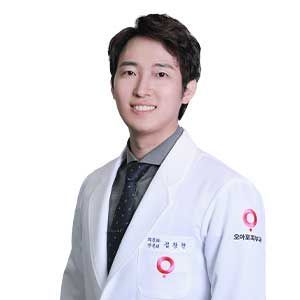
Dr. Chang-hyun Kim, M.D.
Board-certified dermatologist and Representative Director of Oaro Dermatology Clinic, Cheongdam. Ulthera Certified Treatment Provider, Thermage FLX Master Certified, and full member of the Korean Dermatological Association, the Korean Society for Dermatologic Laser and the Korean Filler Society.
FAQ
Frequently asked questions
Is keratosis pilaris curable?
No, but it can be improved a great deal and kept under control with treatment and maintenance.
Why do I have bumps on my arms?
Keratin plugs blocking the hair follicles are the usual explanation; a dermatologist can confirm it is not acne or folliculitis.
Does laser hair removal help KP?
It may reduce bumps by removing the hairs that contribute to plugging, and it is often combined with peels.
Will exfoliating scrubs fix it?
Physical scrubs tend to irritate; gentle chemical exfoliants and moisturisers work better.
Can KP on the face be treated?
Yes, with gentler settings and products chosen for facial skin.
Explore related care
Often considered together
- Chemical Peels — keratolytic peels for body texture
- Skin Exfoliation — professional removal of keratin build-up
- Redness Treatment — IPL and vascular laser for the red halo
- Rough Skin Texture — related texture concerns
- Body Treatments — all body skin programs
- Skin Concerns — all concerns
- Contact & Booking — book a consultation in Apgujeong
Private 1:1 consultation
Plan your treatment with a board-certified dermatologist in Apgujeong
Tell us what you would like to change, and we will examine your skin, explain the options and give you a written plan with clear pricing. English-speaking coordinators are available for international patients.