
Skin Concerns · Apgujeong, Seoul
Broken Capillaries
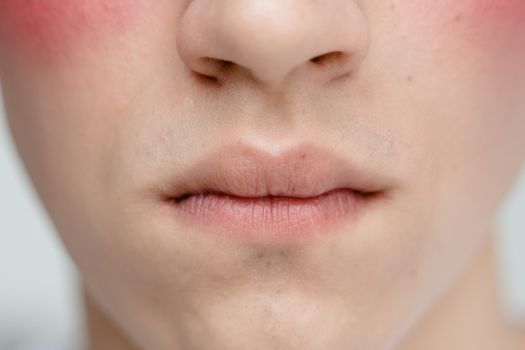
Visible thread veins on the nose, cheeks and chin closed with the V laser and IPL after a dermatologist checks for rosacea.

Skin Concerns · Apgujeong, Seoul
Broken Capillaries
Visible thread veins on the nose, cheeks and chin closed with the V laser and IPL after a dermatologist checks for rosacea.

Quick answer
Every plan at Oaro Dermatology Clinic begins with a 1:1 skin diagnosis by a board-certified dermatologist, so the dose, device settings and session count are set for your skin rather than a template. Meet our doctors or ask about your own skin .
At a glance
| Procedure time | 15–30 minutes |
|---|---|
| Anaesthesia | None; integrated cooling |
| Downtime | Redness for a few hours; occasional mild bruising for 3–7 days |
| Sessions | 1–3, four weeks apart |
| Results last | Treated vessels do not return; new ones may form over time |
| Performed by | Board-certified dermatologist |
Overview
What are broken capillaries?
Broken capillaries are not actually broken. They are tiny blood vessels near the skin surface that have become permanently widened, so blood is visible through the skin as fine red, pink or purple lines. The medical term is telangiectasia. They cluster around the nostrils, across the cheeks and on the chin, and they can also appear on the chest and legs. Common causes are long-term sun exposure, which weakens vessel walls; rosacea, where repeated flushing leaves vessels dilated; genetics and fair or thin skin; prolonged use of topical steroid creams; pregnancy and hormonal change; and physical trauma from pressure, extreme temperatures or over-aggressive extraction.
Seeing a dermatologist matters because telangiectasia is sometimes the most visible sign of a condition that needs management in its own right. Patients who flush easily, sting with skincare and have small bumps with their vessels may have rosacea, which should be treated so that new vessels stop forming. Diffuse pink skin without discrete vessels is covered on our facial redness page. Occasionally a cluster of vessels marks the site of a previous injury or a benign growth, and these are examined under dermoscopy.
How broken capillaries are treated at Oaro
At Oaro Dermatology Clinic in Apgujeong, the dermatologist maps the vessels under magnification and determines whether rosacea, sun damage or steroid use is contributing. Discrete vessels are treated with the V laser (V-brite), which delivers a wavelength absorbed by haemoglobin so that the vessel wall heats and seals while surrounding skin is spared. For a dense network of fine vessels and background flush across the cheeks, Lumenis M22 IPL treats the whole area in a single pass. Most patients in Seoul need one to three sessions. If rosacea is present, a prescription plan runs alongside, and our redness treatment page describes the longer-term maintenance approach.
Why patients choose Oaro
- Diagnosis and treatment by a board-certified dermatologist, not a technician
- Genuine devices and products: Ultherapy, Thermage FLX, Helios Pico, Rejuran, Juvelook
- One treatment plan, written down, with aftercare and follow-up
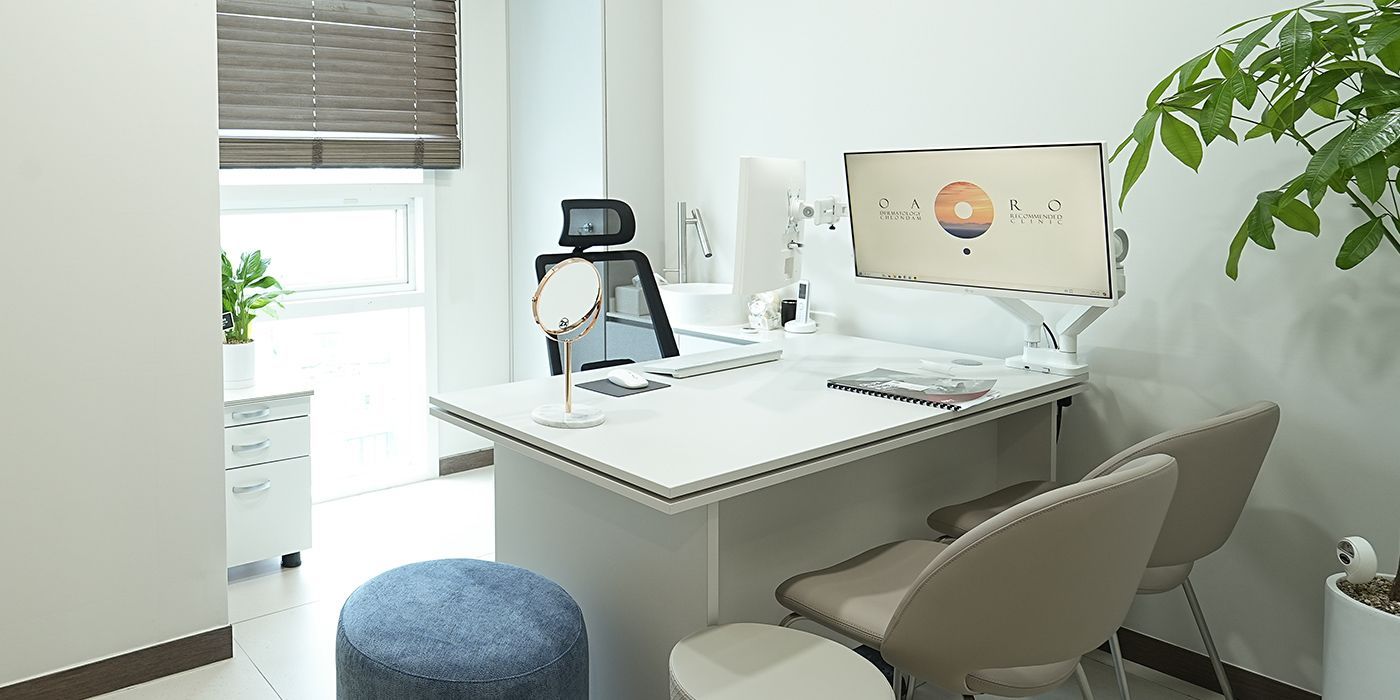
- Private 1:1 rooms in Cheongdam Tower, 8 minutes from Apgujeong Rodeo Station
- English-friendly coordination and clear, itemised pricing
Treatment goals
Common goals for broken capillaries
Remove visible thread veins
Close individual vessels around the nose and on the cheeks so they no longer show through make-up.
Calm background flushing
Reduce the diffuse pink that often surrounds visible vessels.
Address the cause
Identify rosacea, sun damage or steroid use so new vessels are less likely to appear.
Avoid bruising and marks
Use settings tuned to vessel size and skin tone for a clean result.
Your visit
What to expect
1. Consultation & diagnosis
Your dermatologist examines the vessels under dermoscopy, asks about flushing, skincare, steroid creams and sun habits, and photographs the area for comparison.
2. Vascular laser
Each vessel is traced with the V laser; wider areas receive IPL. A session takes 15–30 minutes and feels like quick warm snaps with cooling. Vessels may disappear immediately or darken briefly before fading over one to two weeks. A second session at four weeks is common; a third is occasionally needed.
3. Aftercare & follow-up
You receive written aftercare and a care notebook, and a review confirms clearance and sets a maintenance plan if rosacea is involved. Book a consultation to get started.
Cost guide
Broken capillary treatment cost in Seoul
Pricing depends on whether a few individual vessels or a whole area is treated.
| Option | Typical range (KRW) |
|---|---|
| V laser, nose or localised vessels (per session) | 100,000 – 200,000 |
| V laser, cheeks or full face (per session) | 200,000 – 400,000 |
| Lumenis M22 IPL, full face (per session) | 150,000 – 300,000 |
| Vascular package (3 sessions) | 500,000 – 1,000,000 |
| Rosacea consultation and prescription | 30,000 – 80,000; insurance may apply |
Exact pricing is confirmed at consultation after examination.
Aftercare
Aftercare
- Apply SPF 50+ daily and avoid direct midday sun for two weeks.
- Keep the skin cool: no saunas, hot showers on the face, spicy food or alcohol for 48 hours.
- Do not rub, massage or exfoliate treated areas for one week.
- If mild bruising appears, leave it alone; it clears within a week.
- Follow any rosacea prescription so new vessels are less likely to form.
Medically reviewed by
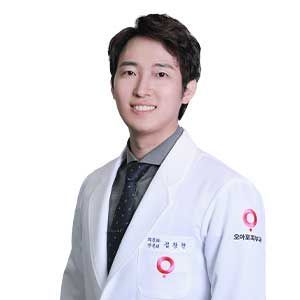
Dr. Chang-hyun Kim, M.D.
Board-certified dermatologist and Representative Director of Oaro Dermatology Clinic, Cheongdam. Ulthera Certified Treatment Provider, Thermage FLX Master Certified, and full member of the Korean Dermatological Association, the Korean Society for Dermatologic Laser and the Korean Filler Society.
FAQ
Frequently asked questions
What causes broken capillaries on the face?
Sun damage, rosacea, genetics, steroid creams, hormonal change and physical trauma are the usual causes.
Can broken capillaries go away on their own?
Rarely. Once a vessel is permanently dilated it usually needs laser treatment to close.
Does the V laser hurt?
Most patients feel a brief snap with cooling and do not need numbing cream.
Will broken capillaries come back after laser?
Treated vessels do not return, but new ones can form if the underlying cause continues, so sun protection and rosacea care matter.
How many sessions are needed?
One to three sessions, four weeks apart, clear most facial vessels.
Explore related care
Often considered together
- Skin Concerns — browse every concern we treat
- Rosacea Treatment — when flushing drives new vessels
- Redness Treatment — V laser and IPL programmes
- Facial Redness — medical assessment of persistent redness
- Post-Inflammatory Erythema — red marks after acne
- Contact & Booking — book a consultation
Private 1:1 consultation
Plan your treatment with a board-certified dermatologist in Apgujeong
Tell us what you would like to change, and we will examine your skin, explain the options and give you a written plan with clear pricing. English-speaking coordinators are available for international patients.