
General Dermatology · Apgujeong, Seoul
Facial Redness
Find the real cause of persistent flushing or redness and treat it with medical precision.

General Dermatology · Apgujeong, Seoul
Facial Redness
Find the real cause of persistent flushing or redness and treat it with medical precision.

Quick answer
Medical dermatology at Oaro Dermatology Clinic is led by board-certified dermatologists who diagnose first and treat second. Korean National Health Insurance may apply to covered conditions for insured residents. Meet our doctors or book a same-week appointment .
At a glance
| Procedure time | Consultation 20–30 minutes; vascular laser 15–20 minutes |
|---|---|
| Anaesthesia | None for consultation; cooling or topical numbing for laser |
| Downtime | None to 2–3 days of mild swelling after laser |
| Sessions | Medication reviewed at 6–8 weeks; laser 3–5 sessions, 3–4 weeks apart |
| Results last | Months to years with maintenance and trigger control |
| Performed by | Board-certified dermatologist |
Overview
What is facial redness?
Persistent facial redness has several possible sources, and they are often mixed. Rosacea produces central-face flushing, visible vessels and sometimes acne-like bumps. Seborrhoeic dermatitis causes pink, flaky patches beside the nose and between the brows. Dilated capillaries (telangiectasia) create a fixed red web on the cheeks and nose, often after years of sun. Long-term use of topical steroids, over-exfoliation, retinoid irritation and fragrance allergy all thin or inflame the barrier, so the skin stays pink and stings. Flushing from heat, alcohol, spicy food and emotion adds to all of these. Less commonly, redness signals lupus, dermatomyositis or a drug reaction, which is why a medical examination matters.
You should see a dermatologist when redness lasts more than a few weeks, burns or stings with most products, comes with bumps or pustules, worsens steadily, or when you have been using a steroid cream on the face for more than two weeks.
How facial redness is treated at Oaro
At Oaro Dermatology Clinic in Apgujeong, Seoul, Dr. Chang-hyun Kim, a full member of the Korean Society of Acne & Rosacea, begins with a dermoscopic examination to separate vessels from inflammation and to look for the mites, scale or pustules that point to a specific diagnosis. Treatment then matches the cause: topical ivermectin, metronidazole, azelaic acid or brimonidine and low-dose oral doxycycline for rosacea; antifungal and anti-inflammatory creams for seborrhoeic dermatitis; a steroid-withdrawal plan with barrier repair for steroid-damaged skin. Fixed vessels and background erythema respond to vascular laser (V laser) or Lumenis M22 IPL, delivered in a short series. A simplified skincare routine and daily sunscreen support every option, and the written plan goes into your care notebook. The clinic's aesthetic side means that redness-calming treatments and capillary treatments are available under the same roof once the medical cause is controlled.

Why patients choose Oaro
- Board-certified dermatologists for medical and cosmetic skin care under one roof
- Dermoscopy, allergy and scalp assessment before any prescription
- Written treatment plan, home-care guidance and follow-up
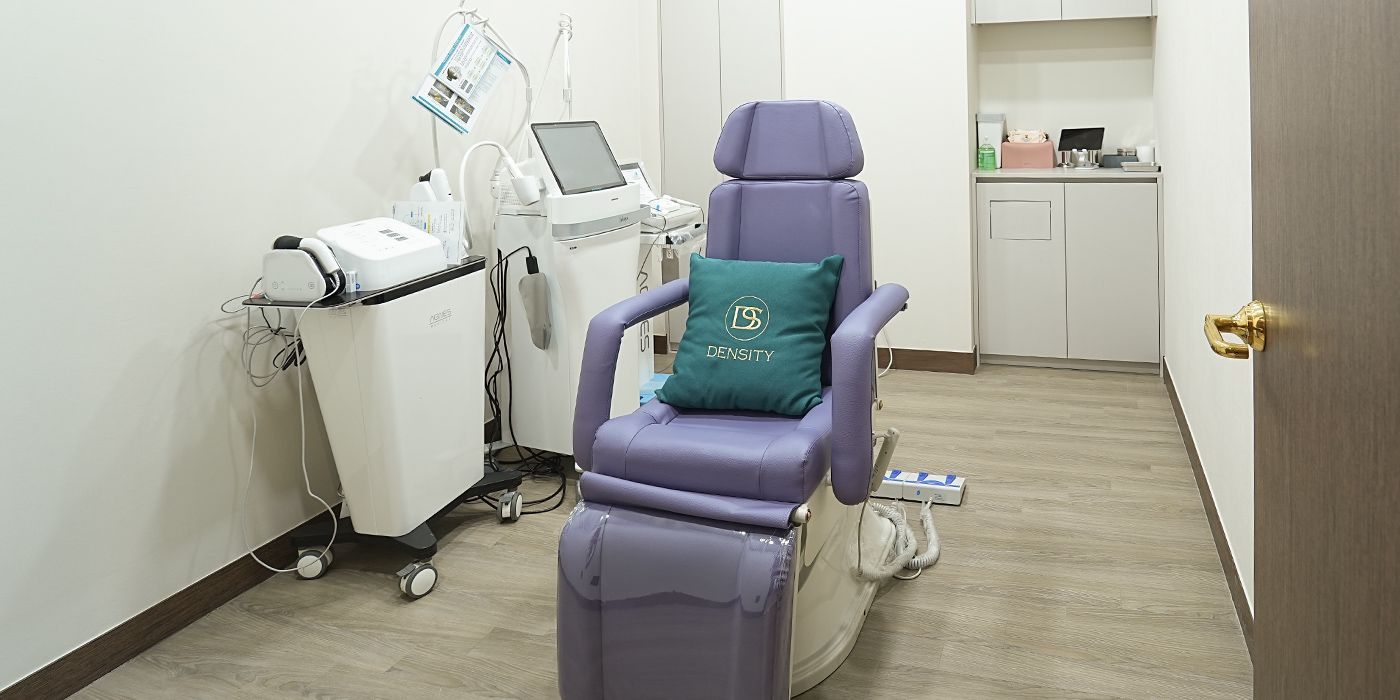
- Private rooms in Cheongdam Tower, 8 minutes from Apgujeong Rodeo Station
- English-friendly coordination for visitors and expats
Treatment goals
Common goals for facial redness care
Identify the cause
Rosacea, dermatitis, vessels and barrier damage each need different care, so an accurate diagnosis comes first.
Calm stinging and flushing
Medication and a barrier-friendly routine reduce the reactivity that makes everyday products uncomfortable.
Fade fixed redness and vessels
Vascular laser or IPL targets the capillaries that do not respond to creams.
Keep it controlled
Trigger awareness, sun protection and periodic maintenance help results last.
Your visit
What to expect
1. Consultation & diagnosis
Your dermatologist reviews your skincare, medication history and flushing triggers, then examines the face with dermoscopy and standardised photographs. Blood tests are arranged only if a systemic cause is suspected.
2. Treatment
Prescription creams and, where needed, a short course of oral anti-inflammatory antibiotics are started first. Once inflammation settles, vascular laser or IPL sessions at Oaro Dermatology Clinic are scheduled three to four weeks apart to clear residual vessels and diffuse redness. Each session takes about 15–20 minutes with cooling for comfort.
3. Aftercare & follow-up
Photographs are compared at each visit. A maintenance routine and trigger list are written into your care notebook, with reviews every few months.
Cost & insurance
Facial redness treatment cost in Seoul
Diagnosis and prescription treatment of rosacea or dermatitis are medical care and may be covered by Korean National Health Insurance for insured residents. Laser and IPL for redness are generally self-pay for everyone.
| Option | Typical range (KRW) |
|---|---|
| Specialist consultation (self-pay) | 30,000–60,000 |
| Consultation + prescription therapy | 60,000–150,000 |
| Vascular laser (V laser), full face per session | 150,000–400,000 |
| IPL (M22) for redness, per session | 150,000–350,000 |
Exact pricing is confirmed at consultation after examination.
Home care
Aftercare
- Cleanse once or twice daily with a gentle, non-foaming cleanser and lukewarm water.
- Apply a broad-spectrum SPF 50 sunscreen every morning, choosing mineral filters if chemical ones sting.
- Avoid scrubs, alcohol-based toners, fragrance and strong acids until your dermatologist clears them.
- After laser or IPL, expect mild swelling for a day or two; cool compresses help and make-up can be worn the next day.
- Note personal triggers such as hot drinks, alcohol, saunas and wind, and limit them where practical.
Medically reviewed by
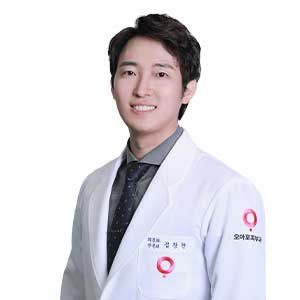
Dr. Chang-hyun Kim, M.D.
Board-certified dermatologist and Representative Director of Oaro Dermatology Clinic, Cheongdam. Full member of the Korean Dermatological Association, the Korean Society of Atopic Dermatitis, the Korean Society of Vitiligo & Pigmentation and the Korean Society of Acne & Rosacea.
FAQ
Frequently asked questions
Is facial redness always rosacea?
No. Seborrhoeic dermatitis, visible capillaries, steroid-damaged skin and product irritation are equally common causes, and several often coexist.
Can redness be cured?
Most causes are controllable rather than curable; with the right plan, many people keep their skin calm for long periods.
Which laser is used for redness?
A pulsed-dye-type vascular laser (V laser) or IPL targets haemoglobin in the vessels; the choice depends on vessel size and skin tone.
Is laser for redness painful?
Most people describe a brief snapping warmth; cooling and, if needed, topical numbing keep it comfortable.
Can I combine redness treatment with other facial treatments in Seoul?
Yes, once inflammation is controlled; your dermatologist sequences treatments so that nothing provokes a flare.
Explore related care
Related conditions and treatments
- Medical Dermatology — all medical skin conditions treated in Apgujeong
- Rosacea Treatment — the most common medical cause of central-face redness
- Broken Capillaries — vascular laser for fixed vessels
- Seborrheic Dermatitis — flaky pink patches around the nose and brows
- Sensitive Skin — barrier repair for reactive skin
- Contact & Booking — book a redness consultation
Same-week appointments
See a board-certified dermatologist in Apgujeong
Bring your questions, medication list and any photos of flare-ups. We will examine your skin, explain the diagnosis and give you a written plan. English-speaking coordinators are available for international patients and expats.