
Skin Infections · Apgujeong, Seoul
Fungal Nail
Thick, discoloured nails confirmed by microscopy and treated with antifungal therapy and Pinpoint laser.

Skin Infections · Apgujeong, Seoul
Fungal Nail
Thick, discoloured nails confirmed by microscopy and treated with antifungal therapy and Pinpoint laser.

Quick answer
Medical dermatology at Oaro Dermatology Clinic is led by board-certified dermatologists who diagnose first and treat second. Korean National Health Insurance may apply to covered conditions for insured residents. Meet our doctors or book a same-week appointment .
At a glance
| Procedure time | Consultation and microscopy 15–25 minutes; Pinpoint laser 15–30 minutes |
|---|---|
| Anaesthesia | None; laser feels warm |
| Downtime | None |
| Sessions | Laser 3–6 sessions at 2–4 week intervals; oral therapy 6–12 weeks |
| Results last | Clear nail grows out over 9–18 months; reinfection possible |
| Performed by | Board-certified dermatologist |
Overview
What is fungal nail infection?
Onychomycosis is a fungal infection of the nail plate and nail bed. It usually begins at the free edge or side of a toenail as a white or yellow streak and spreads backwards, turning the nail thick, discoloured, brittle and sometimes lifted from the bed. It often follows untreated athlete's foot, and risk rises with age, tight footwear, sweaty feet, nail trauma, communal showers, diabetes, poor circulation and psoriasis. Fingernails are affected less often, usually in people whose hands are frequently wet. Because the nail grows slowly and the fungus lives deep under it, over-the-counter creams rarely reach far enough, and untreated infections can persist for years, spread to other nails and act as a reservoir for recurrent fungal skin infection.
Not every damaged nail is fungal. Psoriasis, repeated trauma, lichen planus and bacterial infection can produce similar changes, and roughly half of discoloured nails have another cause. A dermatologist's confirmation before months of treatment therefore saves time and money. Book an assessment if a nail is thickening or discolouring, if several nails are affected, if you have diabetes or circulation problems, or if you simply want clear nails before a holiday season in Seoul.
How fungal nail is treated at Oaro
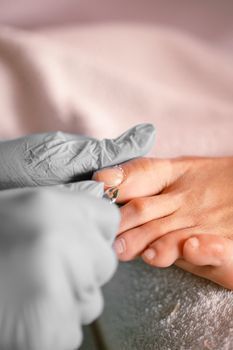
At Oaro Dermatology Clinic in Apgujeong, Seoul, a board-certified dermatologist examines the nails and feet with a dermoscope and takes clippings for KOH microscopy and culture to confirm the organism. Treatment is layered to the extent of infection. Mild distal disease may clear with a prescription antifungal lacquer applied for months. Moderate to severe infection usually needs oral terbinafine or itraconazole, prescribed after a review of liver health and other medicines. For patients who cannot or prefer not to take oral antifungals, the clinic offers Pinpoint laser, which heats the nail bed to inhibit fungal growth over a short series of sessions, often combined with topical therapy. Thickened nails are thinned to help medication penetrate. Explore related conditions on the medical dermatology hub or book a consultation.
Why patients choose Oaro
- Board-certified dermatologists for medical and cosmetic skin care under one roof
- Dermoscopy, allergy and scalp assessment before any prescription
- Written treatment plan, home-care guidance and follow-up
- Private rooms in Cheongdam Tower, 8 minutes from Apgujeong Rodeo Station
- English-friendly coordination for visitors and expats
Treatment goals
Common goals for fungal nail treatment
Confirm the diagnosis
Microscopy and culture ensure you treat fungus, not psoriasis or trauma.
Clear the infection
Combining oral, topical or laser therapy increases the chance of a fully clear nail growing out.
Restore a normal-looking nail
As infected nail grows out, thinning and care improve appearance within months.
Prevent reinfection
Treating athlete's foot and adjusting footwear habits reduces the risk of the fungus returning.
Your visit
What to expect
1. Consultation & diagnosis
Your dermatologist examines the nails, soles and between the toes, photographs the nails and takes clippings for microscopy and culture. Your medical history and medications are reviewed to decide whether oral therapy is suitable.
2. Treatment
Depending on severity you receive an antifungal lacquer, an oral antifungal course with monitoring where needed, or a series of Pinpoint laser sessions. Laser treatment takes 15–30 minutes per session with a warm sensation and no downtime, repeated every two to four weeks for three to six visits. Thick nails are filed down in clinic, and any athlete's foot is treated at the same time.
3. Aftercare & follow-up
Written instructions cover nail care, footwear and hygiene. Nails are re-photographed at follow-up every few months so you can see clear nail replacing the infected portion, and treatment is adjusted if growth stalls.
Cost & insurance
Fungal nail treatment cost in Seoul
Onychomycosis is a medical condition, so insured residents typically have part of the consultation, microscopy and oral or topical prescriptions covered by Korean National Health Insurance, paying a co-payment. Laser treatment is self-pay. International visitors pay self-pay rates and receive itemised receipts.
| Option | Typical range (KRW) |
|---|---|
| Consultation and microscopy (self-pay) | 30,000 – 80,000 |
| Oral or topical antifungal course (pharmacy) | 30,000 – 150,000 |
| Pinpoint laser, per session | 100,000 – 250,000 |
Exact pricing is confirmed at consultation after examination.
Home care
Aftercare
- Apply lacquer or cream to the nail and surrounding skin exactly as prescribed, usually after filing the surface.
- Keep feet dry, change socks daily and alternate shoes to let them air.
- Disinfect nail clippers and use separate tools for infected nails.
- Wear flip-flops in communal showers and pools.
- Be patient: toenails take 9–18 months to grow out fully, so continue care until the whole nail is clear.

Medically reviewed by
Dr. Chang-hyun Kim, M.D.
Board-certified dermatologist and Representative Director of Oaro Dermatology Clinic, Cheongdam. Full member of the Korean Dermatological Association, the Korean Society of Atopic Dermatitis, the Korean Society of Vitiligo & Pigmentation and the Korean Society of Acne & Rosacea.
FAQ
Frequently asked questions
How do I know if my nail is fungal?
Thickening, yellow or white discolouration, crumbling and lifting suggest fungus, but similar changes occur with psoriasis or trauma. A dermatologist confirms it with microscopy.
Does laser work for fungal nails?
Laser may inhibit fungal growth and improve nail appearance over several sessions, particularly combined with topical treatment. It avoids the side effects of oral antifungals, though results vary.
Are oral antifungal tablets safe?
Terbinafine and itraconazole are widely used, but they can affect the liver and interact with other medicines, so a dermatologist reviews your history and may check blood tests.
How long does fungal nail treatment take?
Treatment courses last weeks to months, but a fully clear toenail takes 9–18 months to grow out.
Can fungal nail come back?
Yes, especially if athlete's foot or footwear habits are not addressed. Oaro Dermatology Clinic in Apgujeong includes prevention in every plan.
Explore related care
Related conditions and treatments
- Fungal Skin Infection — athlete's foot, the usual source of nail infection
- Nail Disorders — other causes of thick or discoloured nails
- Bacterial Skin Infection — paronychia around infected nails
- Psoriasis — nail psoriasis can mimic fungus
- Laser Skin Clinic — the clinic's laser hub
- Medical Dermatology — all medical skin services
Same-week appointments
See a board-certified dermatologist in Apgujeong
Bring your questions, medication list and any photos of flare-ups. We will examine your skin, explain the diagnosis and give you a written plan. English-speaking coordinators are available for international patients and expats.