
Skin Concerns · Apgujeong, Seoul
Oily Skin
Bring persistent shine and breakouts under control by treating the oil glands themselves, not just the surface.

Skin Concerns · Apgujeong, Seoul
Oily Skin
Bring persistent shine and breakouts under control by treating the oil glands themselves, not just the surface.

Quick answer
Every plan at Oaro Dermatology Clinic begins with a 1:1 skin diagnosis by a board-certified dermatologist, so the dose, device settings and session count are set for your skin rather than a template. Meet our doctors or ask about your own skin .
At a glance
| Procedure time | 20–45 minutes |
|---|---|
| Anaesthesia | Topical cream for Agnes or microneedling |
| Downtime | 0–2 days |
| Sessions | 3–6, every 2–4 weeks |
| Results last | 3–6 months for toxin; longer for Agnes |
| Performed by | Board-certified dermatologist |
Overview
What is oily skin?
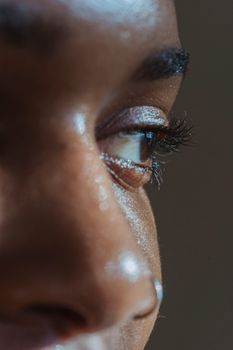
Oily skin is skin whose sebaceous glands produce more sebum than the surface needs. Sebum is useful: it waterproofs the skin and carries antioxidants to the surface. In excess it produces a shine that returns within hours of cleansing, makes pores look larger, mixes with dead cells to block follicles, and feeds the bacteria involved in acne. The forehead, nose and chin are usually the oiliest zones because they have the highest density of glands.
The amount of oil you make is set largely by genetics and androgen hormones, which is why it peaks in the teens and twenties and often flares with the menstrual cycle, stress or polycystic ovary syndrome. Heat and humidity increase output, so Seoul summers are a common trigger. Paradoxically, stripping the skin with harsh cleansers or alcohol toners tends to make it oilier by damaging the barrier and prompting the glands to compensate.
How oily skin is treated at Oaro
At Oaro Dermatology Clinic in Apgujeong, Seoul, Dr. Chang-hyun Kim, a full member of the Korean Society of Acne & Rosacea, begins with a skin analysis that quantifies sebum and checks for active acne. Surface congestion is cleared with Aquapeel and salicylic chemical peels. Oil output is reduced at the source with micro-droplet botulinum toxin, which calms the glands for several months, or with Agnes RF, which selectively heats overactive glands for longer-lasting reduction. When breakouts are frequent or scarring, prescription options including low-dose isotretinoin are discussed. Every plan comes with a simplified routine and is tracked in your care notebook.
Why patients choose Oaro
- Diagnosis and treatment by a board-certified dermatologist, not a technician
- Genuine devices and products: Ultherapy, Thermage FLX, Helios Pico, Rejuran, Juvelook
- One treatment plan, written down, with aftercare and follow-up
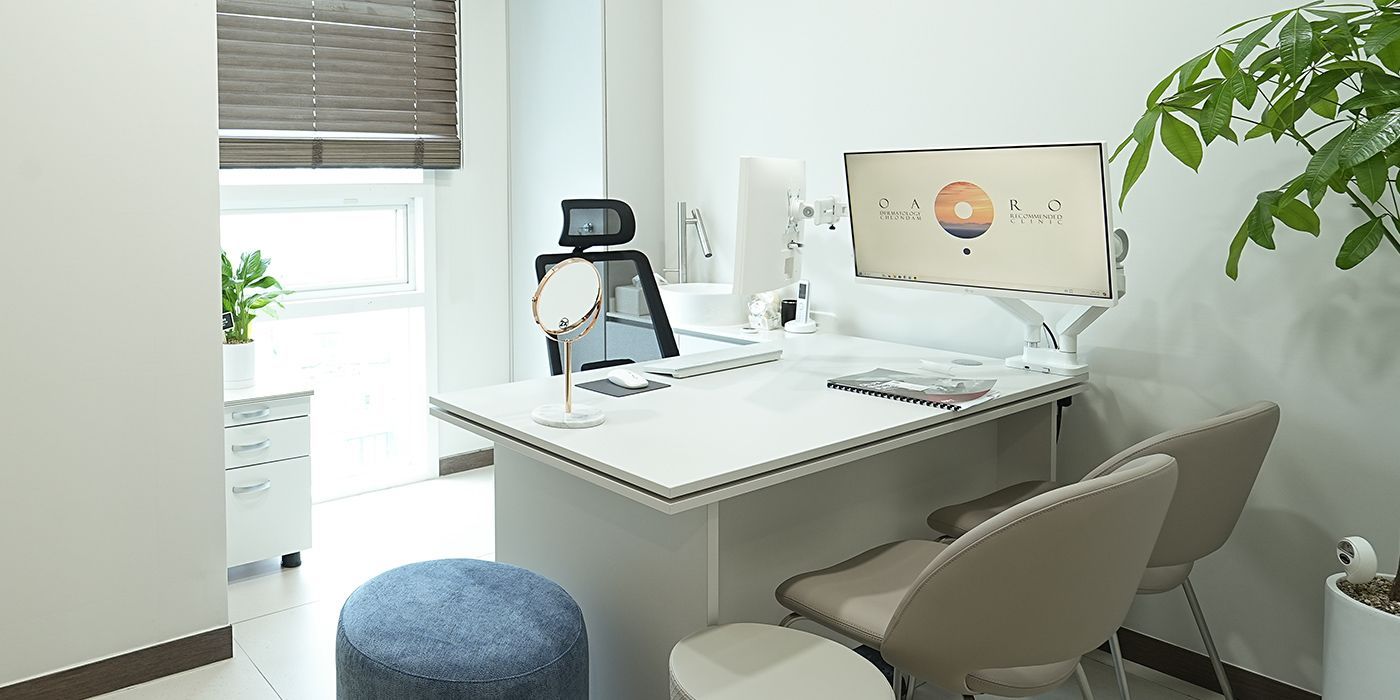
- Private 1:1 rooms in Cheongdam Tower, 8 minutes from Apgujeong Rodeo Station
- English-friendly coordination and clear, itemised pricing
Treatment goals
Common goals for oily skin treatment
Shine that lasts the day
Reduce sebum output so makeup holds and blotting papers are no longer needed by noon.
Fewer blocked pores and breakouts
Keep follicles clear so blackheads and inflamed spots form less often.
Smaller-looking pores
Lower the oil that stretches pore openings so they appear tighter.
A barrier that is not stripped
Replace harsh products with a routine that controls oil without causing rebound.
Your visit
What to expect
1. Consultation & diagnosis
Your dermatologist reviews your history, hormones and current products, then measures sebum and examines the pores and any acne. You receive a written plan that may combine in-clinic treatment with prescriptions.
2. Treatment
A standard session starts with Aquapeel and a light salicylic peel, about 30 minutes with no downtime. Micro-dose botulinum toxin is injected superficially across the T-zone in ten minutes. Agnes RF, performed under numbing cream, treats individual glands and is repeated two or three times a month apart.
3. Aftercare & follow-up
You leave with written aftercare in English. Sebum is re-measured at follow-up so the plan is adjusted based on numbers rather than impressions.
Cost guide
Oily skin treatment cost in Seoul
Oil-control treatments in Apgujeong are priced per session; acne consultations may be partly covered by national insurance for eligible patients.
| Option | Typical range (KRW) |
|---|---|
| Aquapeel with salicylic peel | 100,000 – 200,000 |
| Micro-dose botulinum toxin, T-zone | 150,000 – 300,000 |
| Agnes RF sebaceous gland treatment, per session | 300,000 – 700,000 |
| Acne consultation and prescription | 20,000 – 80,000 per visit |
Exact pricing is confirmed at consultation after examination.
Aftercare
Aftercare
- Cleanse twice daily with a gentle gel cleanser; avoid scrubbing.
- Use a light, oil-free moisturiser and a non-comedogenic SPF 50.
- Do not pick or squeeze; it spreads inflammation and causes scarring.
- Avoid saunas and heavy exercise for 24 hours after peels or Agnes.
- Continue prescribed topicals consistently; results build over weeks.
Medically reviewed by
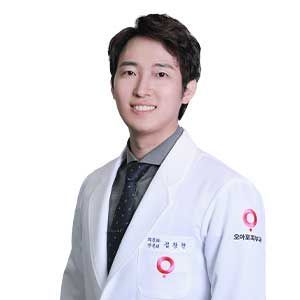
Dr. Chang-hyun Kim, M.D.
Board-certified dermatologist and Representative Director of Oaro Dermatology Clinic, Cheongdam. Ulthera Certified Treatment Provider, Thermage FLX Master Certified, and full member of the Korean Dermatological Association, the Korean Society for Dermatologic Laser and the Korean Filler Society.
FAQ
Frequently asked questions
What causes oily skin?
Mainly genetics and hormones, amplified by heat, humidity, stress and over-cleansing.
Can oily skin be cured?
Not permanently, but it can be controlled well with treatments that act on the glands and a sensible routine.
Does Botox really reduce oil?
Micro-droplet botulinum toxin reduces sebum and pore visibility for three to six months in most patients.
Is Agnes better than toxin for oily skin?
Agnes gives longer-lasting reduction by treating glands directly, but needs a few sessions; the two are often combined.
Should I stop moisturising?
No. Oily skin still needs water; a light moisturiser helps prevent rebound oiliness.
Explore related care
Often considered together
- Enlarged Pores — the pore problem that follows excess oil
- Chemical Peels — salicylic peels for oil and congestion
- Aquapeel — deep cleansing for oily skin
- Isotretinoin (Accutane) — prescription control for severe cases
- Skin Concerns — every concern we treat
- Contact & Booking — book a skin analysis in Apgujeong
Private 1:1 consultation
Plan your treatment with a board-certified dermatologist in Apgujeong
Tell us what you would like to change, and we will examine your skin, explain the options and give you a written plan with clear pricing. English-speaking coordinators are available for international patients.