
Skin Concerns · Apgujeong, Seoul
Sun Damage
Photoaged skin assessed layer by layer, then repaired with IPL, Pico laser, Erbium Fraxel, Rejuran and Thermage.
Skin Concerns · Apgujeong, Seoul
Sun Damage
Photoaged skin assessed layer by layer, then repaired with IPL, Pico laser, Erbium Fraxel, Rejuran and Thermage.

Quick answer
Every plan at Oaro Dermatology Clinic begins with a 1:1 skin diagnosis by a board-certified dermatologist, so the dose, device settings and session count are set for your skin rather than a template. Meet our doctors or ask about your own skin .
At a glance
| Procedure time | 30–60 minutes per session |
|---|---|
| Anaesthesia | Topical numbing cream |
| Downtime | None (IPL, boosters) to 5–7 days (Erbium Fraxel) |
| Sessions | 3–6 across a 3–6 month programme |
| Results last | 12–24 months with maintenance |
| Performed by | Board-certified dermatologist |
Overview
What is sun damage?
Sun damage, which dermatologists call photoaging, is the sum of changes ultraviolet light causes in skin over years. UVA penetrates deeply and breaks down collagen and elastin, so the skin thins, loses bounce and develops fine lines and crepiness. UVB acts closer to the surface, producing sun spots, mottled brown pigment and rough, scaly patches. Repeated exposure also leaves a network of fine vessels and diffuse redness, particularly on the cheeks and chest. The result is skin that looks older than the person's age, with uneven colour and texture rather than a single obvious wrinkle.
Sun damage also has a medical dimension. Rough, persistent scaly patches on the face, scalp or hands can be actinic keratoses, which are precancerous, and photoaged skin carries a higher risk of skin cancer. This is why a sun damage consultation at Oaro Dermatology Clinic begins with a full examination rather than going straight to a device. If anything needs attention, it is managed first; our skin check-up page explains what that involves.
How sun damage is treated at Oaro
Because photoaging affects several layers, treatment in Apgujeong is sequenced. Pigment and redness are addressed first with Lumenis M22 IPL and Pico laser toning. Texture and fine lines are improved with Erbium Fraxel resurfacing, which removes microscopic columns of damaged skin and stimulates renewal. Dermal repair is supported with Rejuran or other skin boosters, and lost firmness is treated with Thermage FLX or Ultherapy where laxity is present. This staged plan reflects the clinic's Reverse Aging concept: repairing change that has already occurred, not only preventing more. Patients in Seoul typically complete the programme over three to six months with a written maintenance plan afterwards.

Why patients choose Oaro
- Diagnosis and treatment by a board-certified dermatologist, not a technician
- Genuine devices and products: Ultherapy, Thermage FLX, Helios Pico, Rejuran, Juvelook
- One treatment plan, written down, with aftercare and follow-up
- Private 1:1 rooms in Cheongdam Tower, 8 minutes from Apgujeong Rodeo Station
- English-friendly coordination and clear, itemised pricing
Treatment goals
Common goals for sun damage
Even colour
Reduce mottled pigment and diffuse redness so the skin tone looks uniform.
Smoother texture
Soften rough, crepey or scaly skin on the face, neck, chest and hands.
Restore firmness
Rebuild collagen so thinning, slack skin regains some of its bounce.
Peace of mind
Have precancerous spots identified and treated by a dermatologist.
Your visit
What to expect
1. Consultation & diagnosis
Your dermatologist examines the face and exposed body areas, uses skin imaging to grade pigment, vessels, texture and elasticity, and checks for actinic keratoses or other lesions.
2. Staged treatment
Most programmes start with IPL or Pico laser for colour, move to Erbium Fraxel for texture after four weeks, and add Rejuran or Thermage FLX according to need. Each session takes 30–60 minutes. Downtime ranges from none after IPL to about a week of fine crusting after Erbium Fraxel.
3. Aftercare & follow-up
You receive written aftercare, a care notebook and a maintenance schedule. Progress imaging is repeated at the end of the programme. Book a consultation to begin.
Cost guide
Sun damage treatment cost in Seoul
Cost reflects which layers need treatment. Pigment-only plans are the most affordable; plans that include resurfacing and tightening cost more.
| Option | Typical range (KRW) |
|---|---|
| Lumenis M22 IPL, full face (per session) | 150,000 – 300,000 |
| Erbium Fraxel resurfacing (per session) | 300,000 – 600,000 |
| Rejuran, full face (per session) | 300,000 – 500,000 |
| Thermage FLX, face (per treatment) | 2,000,000 – 3,500,000 |
| Actinic keratosis treatment | Consultation-based; national insurance may apply |
Exact pricing is confirmed at consultation after examination.
Aftercare
Aftercare
- Wear SPF 50+ every day, including indoors near windows and on overcast Seoul days.
- After Erbium Fraxel, cleanse gently, apply the prescribed ointment and do not pick the fine crusts.
- Pause retinoids and acids for a week after resurfacing; resume on your dermatologist's advice.
- Avoid saunas, hot baths and strenuous exercise for 48–72 hours after any session.
- Keep the maintenance schedule and report any new rough or changing spot.
Medically reviewed by
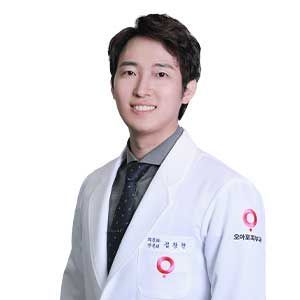
Dr. Chang-hyun Kim, M.D.
Board-certified dermatologist and Representative Director of Oaro Dermatology Clinic, Cheongdam. Ulthera Certified Treatment Provider, Thermage FLX Master Certified, and full member of the Korean Dermatological Association, the Korean Society for Dermatologic Laser and the Korean Filler Society.
FAQ
Frequently asked questions
Can sun damage be reversed?
Much of it can be improved: pigment and vessels respond well to light-based treatment, and resurfacing and boosters rebuild texture and collagen.
What does sun-damaged skin look like?
Mottled brown spots, fine red vessels, rough or crepey texture and fine lines on sun-exposed areas are the typical signs.
Is sun damage dangerous?
It raises skin cancer risk and can produce precancerous patches, which is why a dermatologist examines the skin before cosmetic treatment.
Which treatment is best for sun damage?
There is no single best option; IPL, Pico laser, Erbium Fraxel and boosters are combined according to which changes you have.
How long does a sun damage programme take?
Typically three to six months, followed by maintenance visits once or twice a year.
Explore related care
Often considered together
- Skin Concerns — browse every concern we treat
- Sun Spots — the pigment component
- Rejuran Healer — dermal repair booster
- Thermage FLX — for sun-related laxity
- Skin Check-Up — screening for precancerous change
- Contact & Booking — book a consultation
Private 1:1 consultation
Plan your treatment with a board-certified dermatologist in Apgujeong
Tell us what you would like to change, and we will examine your skin, explain the options and give you a written plan with clear pricing. English-speaking coordinators are available for international patients.