
This is a subtitle for your new post

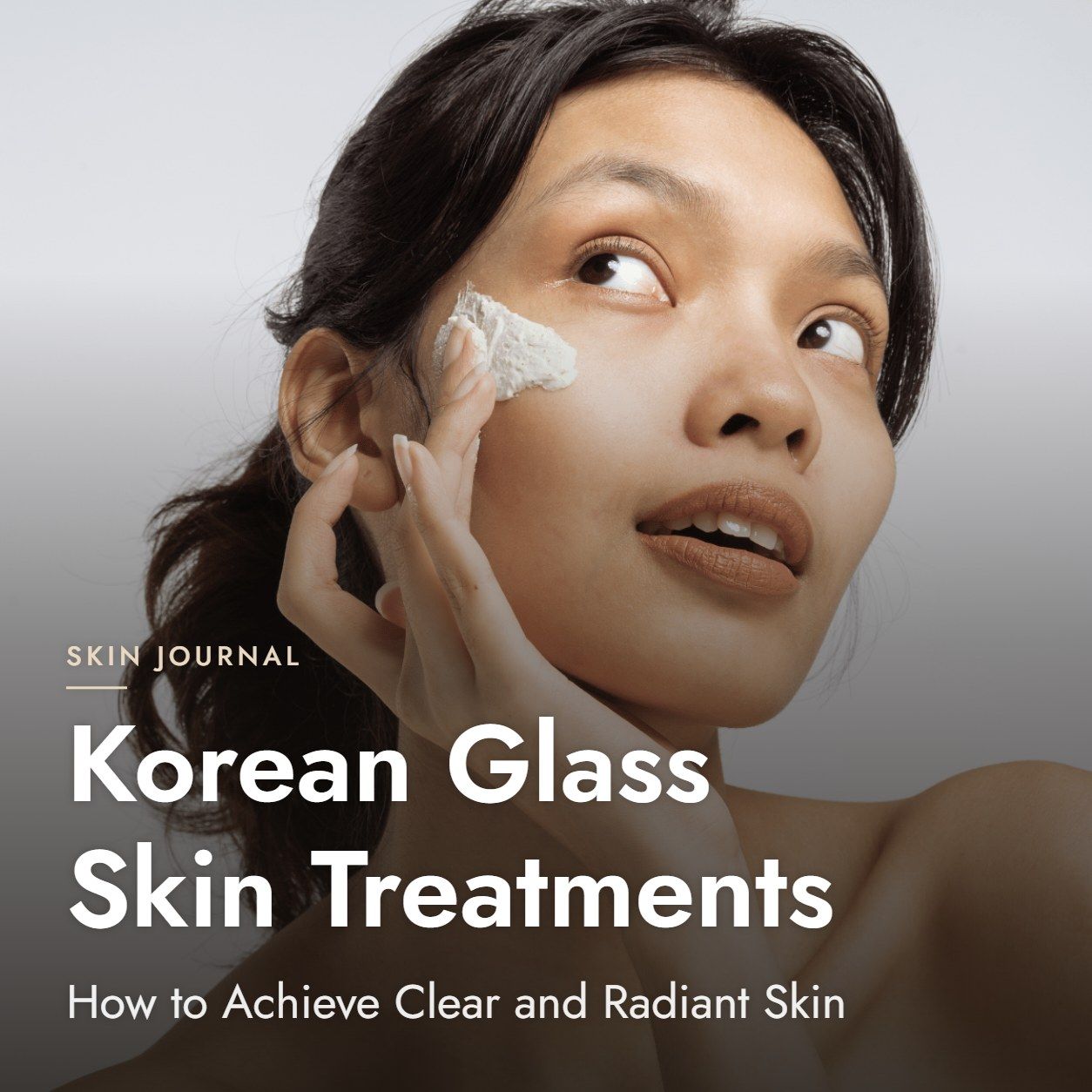
Glass skin is the Korean beauty ideal of a complexion so smooth, even and well hydrated that it seems to reflect light. The phrase began in skincare marketing, but in Korean dermatology clinics it has come to describe a realistic clinical goal: fewer visible pores, an even tone, good hydration and a healthy, translucent glow.
No single treatment creates glass skin. It is usually the result of several gentle steps that address hydration, pigmentation, texture and redness, supported by consistent skincare at home. This guide explains the treatments commonly used in Korea and how they fit together.
What glass skin actually involves
Skin looks luminous when its surface is smooth, its barrier is healthy and its colour is even. Dullness often comes from dehydration, a build-up of dead cells, uneven pigment or visible redness. Enlarged pores and fine texture scatter light rather than reflecting it. A treatment plan therefore usually targets four areas at once:
- Hydration and barrier health, so the skin looks plump and calm.
- Tone, reducing spots, post-acne marks and blotchiness.
- Texture and pores, smoothing the surface so light reflects evenly.
- Redness, calming visible vessels and flushing where present.
Skin boosters for hydration and quality
Skin boosters are probably the treatment most closely associated with the glass skin look. They are injected in small amounts across the face, either by hand or with an injector device, to improve skin quality rather than volume.
- Hyaluronic acid boosters, including Skinvive and similar products, attract water into the skin to improve hydration and glow.
- Rejuran uses polynucleotides and is commonly chosen to support repair, elasticity and fine lines, particularly in thin or tired-looking skin.
- Juvelook combines PDLLA particles with hyaluronic acid to stimulate collagen gradually, and is often used where pores or mild scarring are a concern.
- Profhilo, a high-concentration hyaluronic acid product, is spread through the skin from a small number of injection points to improve hydration and laxity.
Small bumps, redness and occasional bruising are common for a day or two. Boosters typically work best as a course of two to three sessions several weeks apart, followed by maintenance.
Gentle lasers for an even tone
Korean clinics often use low-energy laser programmes repeated over several sessions instead of a single aggressive treatment. Laser toning with Nd:YAG or pico lasers can gradually brighten the skin and reduce diffuse pigmentation, while targeted pico or Q-switched treatment is used for individual sun spots and freckles. IPL and vascular lasers address redness and broken capillaries.
If melasma is present, caution is essential. Melasma can flare with heat, strong settings or sun exposure, so a dermatologist should confirm the diagnosis and combine any laser treatment with sun protection and suitable topical products.
Smoothing texture and pores
Smooth texture is just as important as an even colour. Depending on the concern, clinics may suggest light chemical peels, medical facials such as aqua peel cleansing, RF microneedling such as Potenza, or non-ablative fractional lasers. Superficial botulinum toxin injected in tiny doses, often called skin botox, is sometimes used to reduce oiliness and make pores look finer, although results are temporary and individual responses vary.
Deeper texture treatments cause several days of redness, so they are better scheduled well before an event or at the start of a trip.
Calming and barrier-supporting treatments
Many Korean glass skin programmes include soothing steps, such as LED light therapy, ultrasound-based devices marketed for skin calming, cooling masks and products containing ingredients like panthenol or centella. These are generally low risk and can make the skin feel more comfortable after more active procedures, though the evidence for some of these add-ons is limited. They are best viewed as supportive rather than essential.
The role of home care
Clinic treatments only last if daily care supports them. A typical glass skin routine is gentle rather than complicated:
- A mild, low-pH cleanser that does not leave the skin tight.
- Layers of hydration, such as a toner or essence and a moisturiser suited to your skin type.
- A broad-spectrum sunscreen every day, reapplied when outdoors.
- Carefully introduced actives, such as vitamin C, niacinamide or a retinoid, as advised by a dermatologist.
- Avoiding harsh scrubs and over-exfoliation, which damage the barrier and make the skin look dull and irritated.
Realistic expectations and who should be cautious
Glass skin images on social media are often filtered, lit or edited. In real life, healthy skin still has pores and some texture. A good aim is clearer, calmer, more even skin rather than a flawless surface. Visible improvement usually builds over two to three months of combined treatment and home care.
People with active acne, rosacea, eczema or very sensitive skin may need medical treatment first, and some procedures may not suit them at all. Anyone who is pregnant, breastfeeding, prone to keloids or using isotretinoin should discuss timing and safety with a dermatologist before starting.
Planning glass skin treatments in Korea
For visitors, a sensible plan is to see a dermatologist first, start with treatments that carry some downtime, and keep boosters, toning and soothing treatments for the later days of a trip. Ask for the exact products used and written aftercare in English, and find out whether similar treatments are available at home for maintenance.
Conclusion
Glass skin is less about one miracle procedure and more about a thoughtful combination of hydration, tone correction, texture work and consistent daily care. Korean clinics are well practised in building this kind of gradual programme. With realistic expectations and good sun protection, many people can achieve noticeably clearer and more radiant skin.
This article is for general information only and is not a substitute for a medical consultation. Suitability, results and recovery vary from person to person.









