
This is a subtitle for your new post

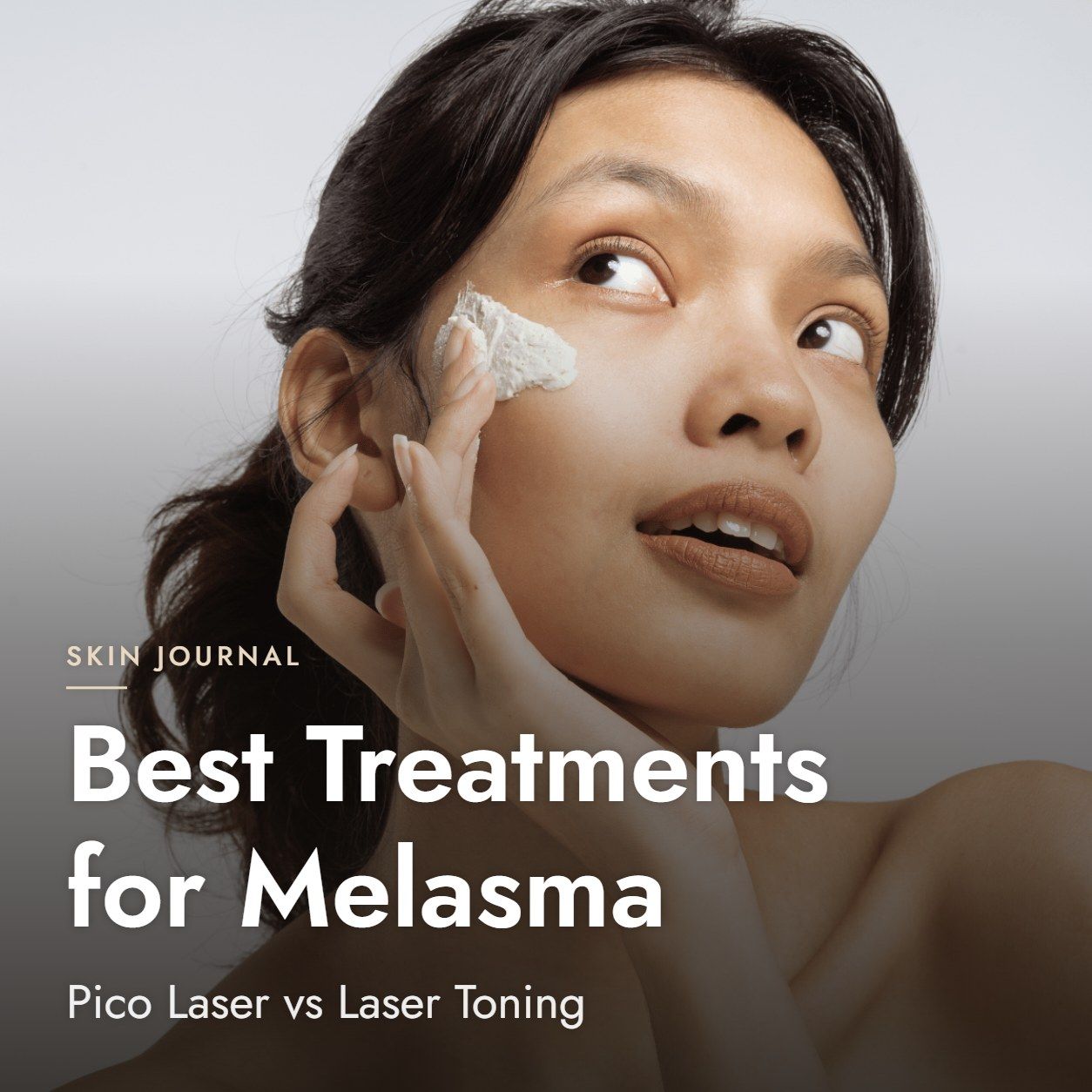
Melasma is one of the most common reasons people visit a dermatologist in Korea, and one of the most frustrating conditions to treat. It appears as symmetrical brown or greyish-brown patches, usually on the cheeks, forehead, upper lip or jawline, and it is strongly influenced by sunlight, hormones and genetics. Unlike a single sunspot, melasma is a chronic condition that tends to come back.
Korean clinics are well known for gentle laser programmes for melasma, and the two names patients hear most often are pico laser and laser toning. Both can help, but neither is a cure. This guide explains how each approach works, how they differ and how to set realistic expectations.
Why melasma needs a gentle approach
In melasma, the pigment-producing cells in the skin are overactive and easily stimulated. Heat, inflammation and ultraviolet or visible light can all make them produce more pigment. This is why aggressive treatments that work well for ordinary sunspots can sometimes make melasma darker, a problem known as rebound hyperpigmentation. Some patients also develop mottled pale spots (hypopigmentation) after very frequent or high-energy toning.
For these reasons, most dermatologists treat melasma with low-energy, carefully spaced laser sessions alongside topical treatment, oral medication where appropriate and strict sun protection. The laser is one part of a plan rather than the whole plan.
Visible light, not only ultraviolet, is increasingly recognised as a melasma trigger, particularly in darker skin types. Tinted sunscreens containing iron oxides offer some protection against visible light, which is why many dermatologists recommend them to melasma patients alongside a hat and shade.
How laser toning works
Laser toning usually refers to a Q-switched Nd:YAG laser (1064 nm) used at low energy with a large spot size, passed several times over the face. The aim is to break down pigment gradually without significant inflammation. Treatments are typically repeated every one to two weeks over a course of several sessions, and devices may be described by brand names in clinics.
Laser toning has been used in Korea for many years, so dermatologists have extensive experience adjusting it for Asian skin. There is little or no visible downtime, which makes it popular with busy patients. The trade-off is that results build slowly and maintenance sessions are usually needed.
How pico laser works for melasma
Pico lasers deliver pulses in the picosecond range, much shorter than the nanosecond pulses of a traditional Q-switched laser. The shorter pulse breaks pigment into finer particles with a more photoacoustic, less heat-driven effect. In theory, less heat means less risk of stimulating pigment cells, which is why pico toning has become a popular option for melasma.
Pico devices can also be used in different modes. A low-energy toning mode is used across the face for melasma, while higher-energy spot treatment is reserved for distinct lesions such as freckles or lentigines. For melasma, the low-energy mode is what matters, and it is usually planned as a series of sessions spaced a few weeks apart.
Pico laser vs laser toning: side by side
- Mechanism: Laser toning uses nanosecond pulses at low energy; pico laser uses even shorter picosecond pulses with less heat.
- Best for: Both are used for melasma and overall brightening; pico may be preferred when mixed pigment such as freckles is also present.
- Downtime: Both usually involve little visible downtime, with mild redness for a short time.
- Sessions: Both typically require a series of treatments, often five to ten or more depending on response.
- Duration of results: Improvement can be significant, but recurrence is common without ongoing sun protection and maintenance.
- Comfort: Both are generally tolerable without numbing cream, described as light snapping on the skin.
- Evidence: Both have published supporting data; neither is universally superior, and response varies between individuals.
Which should you choose?
If you have classic melasma with no other pigment issues, a well-run laser toning programme with good home care may be all you need. If your melasma is mixed with freckles, sunspots or other pigment, a pico device may offer more flexibility because the same machine can treat different lesions in different modes. Some patients who have plateaued with toning try pico, and vice versa.
Many Korean clinics combine either laser with other approaches, such as topical agents, oral tranexamic acid where medically appropriate, and sometimes vascular treatment if redness is part of the picture. The dermatologist's experience and conservative settings are often more important than the device name.
Who should be cautious
- People who have recently had rebound pigmentation after laser treatment.
- Anyone unable to commit to daily broad-spectrum sun protection.
- Those who are pregnant or planning pregnancy, as hormonal changes can affect melasma and some medications are unsuitable.
- Patients with active skin irritation or inflammation, which should be settled first.
- Anyone expecting a permanent result from a short course.
Practical tips for visitors to Korea
Because melasma treatment relies on a series of sessions, a short trip is best used for a thorough diagnosis and a starting plan rather than a complete course. Ask the dermatologist to write down the device, settings approach and topical regime so a doctor at home can continue it. Wear a high-protection sunscreen, reapply it during sightseeing and consider a hat, since sun exposure on holiday is one of the commonest triggers for a flare.
Conclusion
Pico laser and laser toning are both reasonable tools for managing melasma, and in experienced hands they can produce a visible improvement. The choice between them often matters less than the overall approach: low energy, patience, sun protection and maintenance. Seeing a dermatologist who treats melasma regularly is the most reliable way to avoid rebound and get lasting benefit.
This article is for general information only and is not a substitute for a medical consultation. Suitability, results and recovery vary from person to person.









