
Botox · Apgujeong, Seoul
Salivary Gland Botox in Apgujeong & Cheongdam, Gangnam, Seoul
Can gradually shrink enlarged parotid or submandibular glands that make the lower face or under-jaw area look wide.
Quick answer
Every Botox plan at Oaro Dermatology Clinic begins with a 1:1 examination by a board-certified dermatologist, so the toxin, dose and injection points are set for your muscles rather than a template. Meet our doctors or see all injectables.
At a glance
| Procedure time | 10–15 minutes |
|---|---|
| Anaesthesia | Usually none; ice or numbing cream on request |
| Results start | Gradual change from about 2–4 weeks |
| Results last | Often around 3–6 months; varies |
| Downtime | Minimal; mild tenderness for a day or two |
| Sessions | One to start; repeated if it helps |
| Performed by | Board-certified dermatologist |
Visual guide
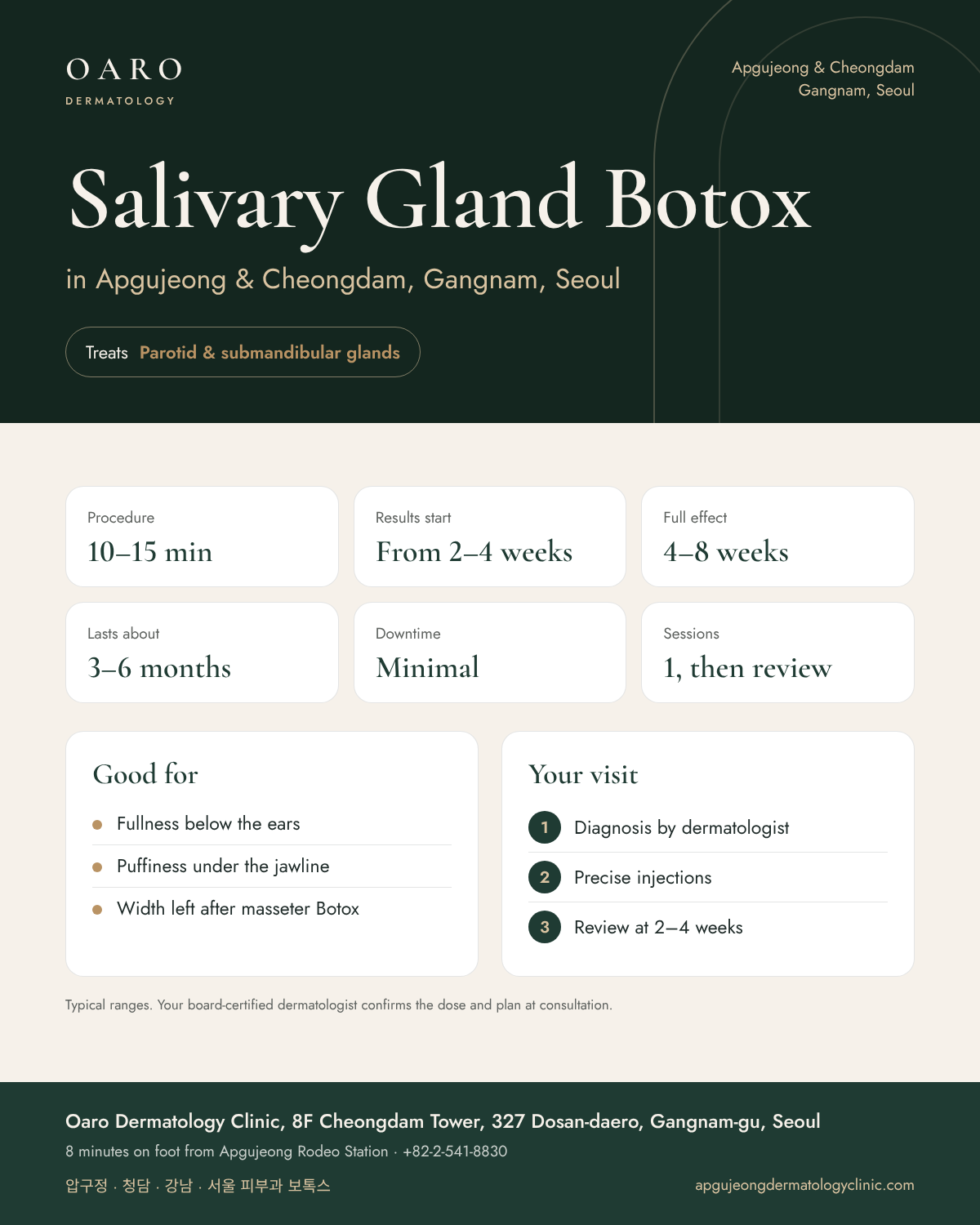
Your treatment on one page
This infographic sums up the treatment the way our dermatologists explain it in consultation: the muscle or gland being treated, how long it takes, when results start and how long they usually last, plus the three steps of your visit. Save it to your phone before you come in, or share it with someone planning the trip with you.
- Typical timings, downtime and number of sessions
- Who the treatment suits, in plain words
- Your visit: diagnosis, precise injections, review at 2–4 weeks
Oaro Dermatology Clinic · 8F Cheongdam Tower, 327 Dosan-daero, where Apgujeong meets Cheongdam in Gangnam, Seoul · 8 minutes on foot from Apgujeong Rodeo Station
Overview
What is salivary gland Botox?
The parotid glands sit just in front of and below each ear, partly over the back of the masseter muscle, and the submandibular glands sit under the jawline towards its angle. In some people these glands are naturally large, creating a soft fullness below the ears or a puffy area under the jaw that does not change with weight loss.
Toxin injected into the gland reduces the nerve signals that drive saliva production. With less stimulation, an enlarged gland can gradually become smaller over several weeks. Your other salivary glands keep working, so most people notice little change in their mouth, although mild temporary dryness is possible.
How salivary gland Botox works at Oaro
Not every swelling near the jaw is a cosmetic concern. At Oaro Dermatology Clinic, where Apgujeong meets Cheongdam in Gangnam, Dr. Chang-hyun Kim examines the area at rest and while you clench to separate gland fullness from muscle, fat and loose skin. A new lump, swelling on one side, pain, swelling that comes and goes with meals, or rapid change is checked first, and you may be referred to an ear, nose and throat specialist for imaging before any cosmetic treatment. When the gland is the cause, it is often treated with masseter Botox or as part of jawline slimming.
Why patients choose Oaro for Botox
- Dose and injection points set by a board-certified dermatologist after examining your muscles
- Korean-made toxins such as Nabota and imported brands explained honestly, with units compared fairly
- Written aftercare and a review at 2–4 weeks, in person or by message
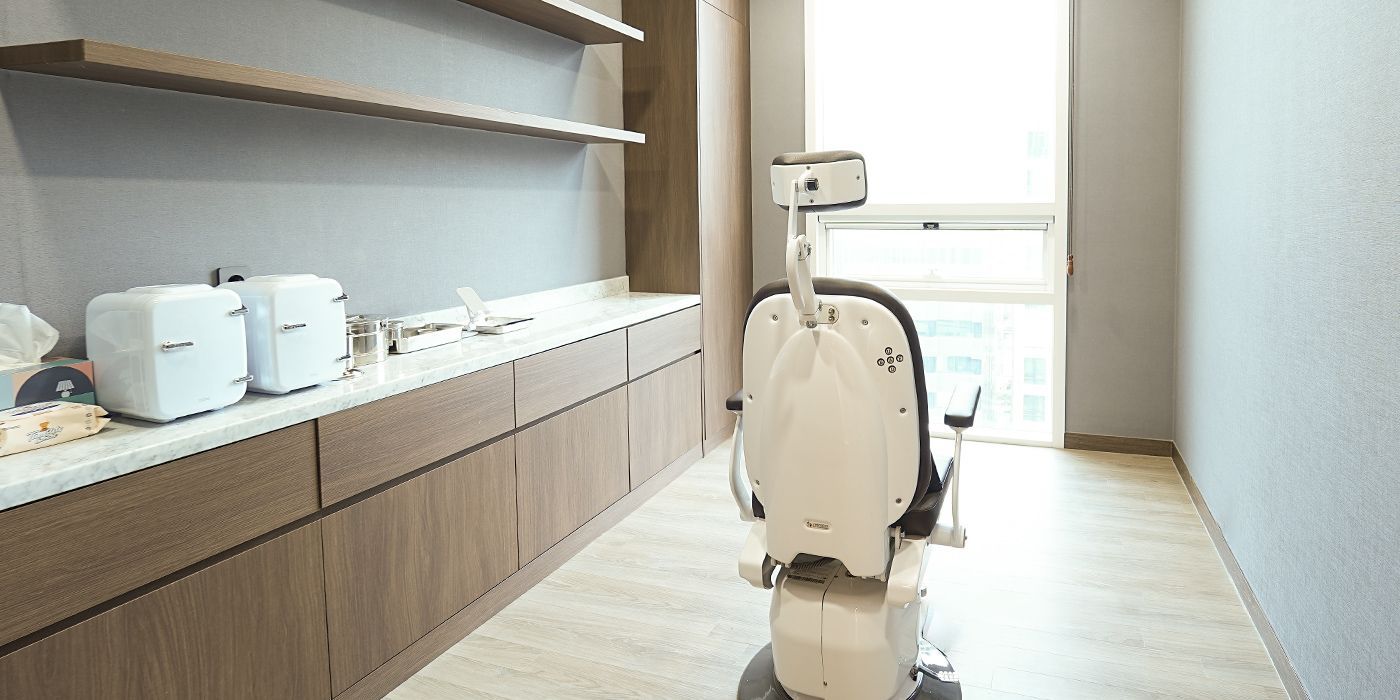
- Private 1:1 rooms in Cheongdam Tower, 8 minutes from Apgujeong Rodeo Station
- English-friendly coordination and clear, itemised pricing
Treatment goals
Common goals for salivary gland Botox
Softening fullness below the ears
Enlarged parotid glands can make the face look square just in front of the earlobes. Gradual gland shrinkage may soften that area and give a slightly slimmer outline from the front.
Reducing puffiness under the jawline
Prominent submandibular glands can look like a small bulge under the jaw angle, even in slim people. Treating them may make the jawline look cleaner. Fat under the chin is a different problem with different treatments.
Finishing a jaw slimming plan
Some patients are pleased with masseter Botox but notice width remaining below the ear. When examination shows this is gland rather than muscle, adding gland treatment may complete the plan.
Knowing what is really causing the width
A careful examination clarifies whether fullness comes from glands, muscle, fat or bone, so treatment matches the cause.
Your visit
What to expect
1. Consultation & diagnosis
Your dermatologist feels the glands and the masseter, asks about dry mouth, dry eyes, recent infections and salivary stones, and reviews your medicines. If anything suggests a medical cause, further tests come first. Otherwise, you receive a plan, a realistic timeline and an itemised quote.
2. Treatment
After cleansing, a small number of injections are placed into the gland on each side, taking about 10–15 minutes. Most people feel brief pressure or stinging, and ice or numbing cream is available. The dose is set by the dermatologist after examining gland size and the size and strength of nearby muscles.
3. Aftercare & follow-up
You can continue your day afterwards. Glands change slowly, so little may show in the first two weeks, with gradual change over four to eight weeks. A review at two to four weeks, in person or by message with photos, checks comfort, symmetry and whether a repeat session would help later.
Cost guide
Salivary Gland Botox cost in Seoul
Cost depends on which glands are treated, their size, whether the masseter is included and which toxin brand is used. Units differ between brands and cannot be swapped one for one, so compare prices for the area rather than unit counts. Korean-made toxins such as Nabota are widely used in Seoul and cost less than imported brands. These are typical ranges in Seoul clinics.
| Option | Typical range (KRW) |
|---|---|
| Parotid glands (both sides), Korean-made toxin | ₩100,000–₩300,000 |
| Submandibular glands (both sides), Korean-made toxin | ₩100,000–₩300,000 |
| Parotid glands + masseter, Korean-made toxin | ₩150,000–₩450,000 |
| Any gland area, imported toxin | ₩250,000–₩700,000 |
Exact pricing is confirmed at consultation after examination.
Aftercare
Aftercare
- Keep your hands off the area for the rest of the day, and avoid massage or firm pressure over the glands for about two weeks.
- Avoid strenuous exercise, saunas, hot baths and alcohol until the next day to reduce bruising and swelling.
- If your mouth feels a little dry, sip water often and try sugar-free lozenges; this usually settles as the effect stabilises.
- Choose softer foods for a few days if chewing feels tired, especially if the masseter was treated too.
- Seek urgent medical care for any difficulty swallowing, speaking or breathing, and message the clinic about new swelling, pain or unevenness.
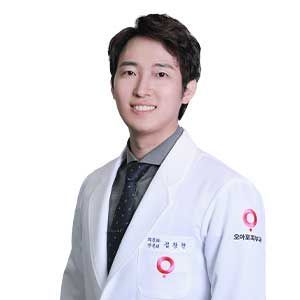
Medically reviewed by
Dr. Chang-hyun Kim, M.D.
Board-certified dermatologist and Representative Director of Oaro Dermatology Clinic, Cheongdam. Member of the Korean Dermatological Association, the Korean Filler Society, the Korean Society for Dermatologic Laser and the Korean Anti-Aging Society.
FAQ
Frequently asked questions
How do I know if my wide jaw is gland, muscle or fat?
The masseter hardens when you clench, while a parotid gland sits a little further back and lower and feels softer. Fat and loose skin behave differently again. Your dermatologist in Apgujeong checks each by touch and observation, and will say if double chin injections or another treatment would suit the area better.
Will salivary gland Botox give me a dry mouth?
Most people notice little difference, because other salivary glands keep working. Mild, temporary dryness can occur, particularly when the submandibular glands are treated. If you already have a dry mouth, dry eyes or a salivary gland condition, tell the doctor, as treatment may not be suitable.
What side effects should I know about?
Bruising, mild swelling, tenderness and headache are the most common. If toxin affects nearby muscles, you may notice temporary chewing fatigue or, rarely, a slight smile asymmetry. Uncommonly, treatment under the jaw can change how swallowing feels. These effects are temporary.
Who should avoid or postpone salivary gland Botox?
Postpone it during pregnancy or breastfeeding, or if there is infection or inflammation of the gland or skin. Avoid it with neuromuscular disorders such as myasthenia gravis or a known allergy to toxin ingredients. Any undiagnosed lump needs medical assessment first. Tell the doctor about medicines, including aminoglycoside antibiotics and blood thinners.
Can I have this during a trip to Seoul?
Yes, if there is time for a proper consultation, as some patients need tests first. Visit early in your trip so medical questions can be answered before you leave. Flying the next day is generally fine. Change develops after you return home, and our Cheongdam team in Gangnam can review progress by message.
Explore related care
Often considered together
- Masseter Botox — for width from the jaw muscle itself
- Jawline Slimming — combined plans for a slimmer lower face
- Double Chin Injections — for fat under the chin rather than glands
- Cheek Slimming Injections — for soft fullness higher in the cheeks
- Botox in Korea guide — planning toxin treatment as a visitor
- Contact & Booking — book a consultation in Apgujeong, Seoul
Private 1:1 consultation
Plan your Botox with a board-certified dermatologist in Apgujeong
Tell us what you would like to change. We will examine the muscles involved, explain which toxin and dose suit you and give you a written plan with clear pricing. English-speaking coordinators help international patients visiting Cheongdam, Gangnam and the rest of Seoul.